Vape batteries are small, powerful, and easy to overlook in a kitchen drawer. Yet their lithium-ion cells can retain energy after the device stops working. The U.S. Environmental Protection Agency warns that loose lithium batteries may cause fires when damaged, short-circuited, or placed in household waste. That risk deserves attention.
This guide explains how to safely dispose of old vape batteries using practical, evidence-based steps. The U.S. Fire Administration identifies crushed, overheated, or improperly charged lithium-ion batteries as potential fire hazards. Call2Recycle’s 2023 impact reporting also shows the growing scale of battery collection and recycling across North America. Recycling systems matter because batteries contain recoverable materials, including lithium, cobalt, nickel, and copper.
Handle every battery as active.
Do not throw it into a rubbish bin or curbside recycling container. Do not puncture, crush, dismantle, or soak it. If the battery is swollen, leaking, hot, smoking, or visibly damaged, move people away and contact local fire services or hazardous-waste professionals. Never transport a smoking battery in a vehicle.
For intact batteries, cover exposed terminals with non-conductive tape and store them separately in a cool, dry place. A certified battery drop-off point is usually safer than an ordinary electronics collection box. Local rules differ, and that detail is easy to miss. Always check the facility’s accepted battery types before traveling.
The guidance here follows EPA battery-safety materials, U.S. Fire Administration recommendations, and established battery-recycling practices. Still, no guide replaces professional advice when a battery looks unstable. Safety begins with a cautious decision, not a rushed disposal trip.
What Makes Old Vape Batteries Dangerous
Old vape batteries can become hazardous even when the device looks harmless. Their lithium-ion cells store significant energy in a very small space. Age, heat, moisture, crushing, or a damaged casing can weaken internal separators. Once those layers fail, a short circuit may trigger thermal runaway. The battery heats itself rapidly and can release flames, smoke, or irritating gases.
A small warning matters. Bulging, hissing, leaking, unusual heat, or a chemical smell signals possible damage. Do not charge or use that battery. Keep it away from metal objects, paper, and direct sunlight. The U.S. Environmental Protection Agency identified 245 lithium-ion battery fires at 64 waste facilities from 2013 to 2020. That figure covers many battery types, not only vape batteries, but it shows the disposal risk clearly. A loose cell can be crushed inside a garbage truck or sorting machine.
My practical advice is simple: handle damaged batteries as little as possible. Do not place them in household trash or regular recycling. Contact a local household hazardous-waste site or a battery collection service before transport. Follow its packaging instructions exactly. Collection rules vary, and online advice is sometimes incomplete. I once assumed a cool battery was safe; that assumption was wrong. A battery can look quiet while retaining dangerous energy. UL Research Institutes describes thermal runaway as a self-heating process that can spread rapidly between cells, which explains why one damaged unit deserves professional handling.
This chart shows common reference voltages for a single-cell lithium-ion battery used in many portable devices. A fully charged cell is typically about 4.2 V, nominal voltage is about 3.7 V, and the normal lower cutoff is commonly around 2.5–3.0 V. Damaged, swollen, punctured, or short-circuited cells can heat rapidly and enter thermal runaway, causing fire or releasing hazardous gases.
Never place old vape batteries in household trash or curbside recycling. Keep the battery away from metal objects, cover exposed terminals with non-conductive tape, avoid charging or puncturing it, and take it to an approved battery or household hazardous-waste collection point. Follow local disposal rules, especially for swollen, leaking, hot, or damaged batteries.
Before disposal, switch the vape device off and unplug it completely. Let the battery cool to room temperature. Remove the cartridge only if the device instructions allow it. Never crush, puncture, bend, or open the battery. A swollen, leaking, cracked, or unusually hot battery needs special handling. Do not touch leaking material with bare hands. Place the device away from metal objects, sunlight, children, and pets. Small details matter.
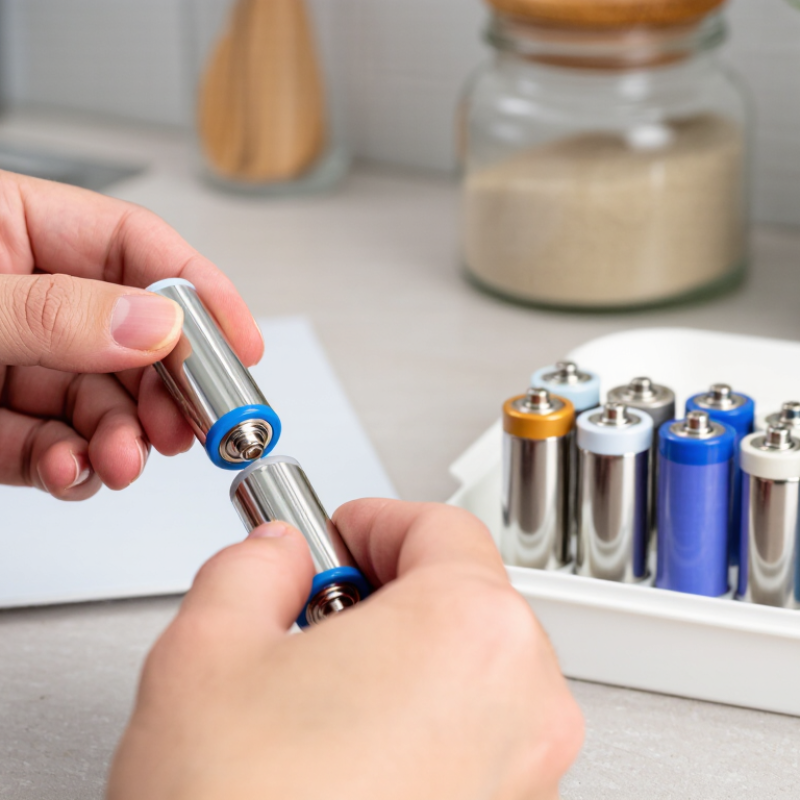
For removable batteries, cover exposed terminals with non-conductive tape. Use separate plastic bags for individual batteries, if the collection service permits them. Do not place lithium-ion batteries in household trash or curbside recycling.
245 fires
The U.S. Environmental Protection Agency documented 245 fires linked to lithium-based batteries at waste facilities between 2013 and 2020.
That figure makes preparation more than a neatness issue. It is a fire-prevention step. EPA, Lithium-Ion Battery Recycling, 2024.
Check the collection site before carrying the battery there. Ask whether it accepts vape batteries, damaged batteries, and sealed devices. Store the prepared battery temporarily in a cool, dry place. Avoid leaving it in a car.
62 billion kilograms
The Global E-waste Monitor 2024 reported 62 billion kilograms of electronic waste generated in 2022, while only 22.3% was formally collected and recycled.
I once assumed any battery drop-off point was suitable. That assumption was wrong. Local instructions can differ, and following them is the safest preparation.
Used vape batteries should go to a proper battery recycling point, not a household bin. Check your local household hazardous-waste facility, electronic-waste center, or municipal battery drop-off site. Some community recycling depots accept lithium batteries, but collection rules differ. Call before visiting. A quick check can prevent a rejected battery or an unsafe trip.
Retail collection boxes may accept used batteries, but never assume they do. Ask whether the site handles rechargeable lithium batteries or complete vape devices. If the battery is built into a disposable device, do not dismantle it. Take the whole device to an approved e-waste or hazardous-waste facility. Never place it in curbside recycling or general trash.
Safety starts before transport. Keep the battery cool, dry, and away from keys or other metal objects. Cover exposed terminals with non-conductive tape, then place each battery in a separate plastic bag. Do not charge or use a damaged battery. Swelling, leaking, hissing, or unusual heat needs extra care. Move away from flammable materials and contact local hazardous-waste officials for instructions. Do not mail it without approval.
A small detail is easy to miss. Not every recycling box is suitable. Verify first, even when the label looks convincing.
2026 Top Guide: How to Safely Dispose of Old Vape Batteries
A swollen, leaking, hot, or damaged vape battery needs immediate attention. Stop using or charging it, and keep people away from the area. Do not press the casing, puncture it, or place it in a pocket. Leaking fluid can irritate skin and eyes, so wear gloves and avoid breathing near it. If the battery is smoking, hissing, or rapidly heating, leave the room and contact emergency services. Do not handle it again.
If the battery remains cool, isolate it outdoors in a dry, nonconductive container away from buildings, paper, fuel, and direct sunlight. Do not seal a hot battery. Do not put it in household trash or ordinary recycling. The U.S. Environmental Protection Agency advises separate battery collection because damaged lithium-ion cells can ignite during transport or processing. The Environmental Services Association recorded more than 1,200 battery-related fires at UK waste sites in 2023, a reported 71% increase from 2022.
Contact a hazardous-waste facility before transporting the battery. Tell staff that it is swollen, leaking, or damaged. Their instructions matter. A common mistake is assuming a small cell is harmless; that assumption needs reconsideration. Never drop a damaged battery into a collection box without approval. If liquid touches your skin, rinse with plenty of water and seek medical advice if irritation continues. Some uncertainty remains around home storage, so conservative handling is the safer choice.
Old vape batteries can retain energy even when the device stops working. Treat them as damaged lithium-ion cells, not ordinary rubbish. Never place them in household trash or recycling bins. Collection trucks and sorting machines can crush batteries, causing sparks, smoke, or fires.
Avoid burning, burying, or throwing a battery into water. Water does not make it safe. Do not puncture, crush, cut, or open the casing. Removing the wrapper is risky because exposed metal can touch other objects. Never connect the terminals, test them with loose tools, or store several batteries together in a drawer. Keep damaged cells away from coins, keys, paper clips, children, pets, and heat sources. Short circuits happen quickly.
Do not leave a swollen, leaking, hot, or hissing battery indoors. Avoid carrying it in a pocket or placing it near sunlight. If it is cool and stable, cover its terminals with non-conductive tape and place it alone in a rigid, non-metal container. A mistake I have seen is using a plastic bag as the only protection; it can tear or trap heat. Contact a local hazardous-waste or battery collection service before transport. Follow its instructions exactly. If the battery smells sharp, smokes, or becomes hot, move away and contact emergency services. Do not handle it again.
| Battery or Device Condition | Recommended Preparation | Preferred Disposal Route | Methods to Avoid | Main Safety Reason |
|---|---|---|---|---|
| Intact removable lithium-ion battery | Remove it only if the device is designed for safe removal. Cover exposed terminals with non-conductive tape or place the battery in an individual plastic bag. | Battery collection point Use a local household hazardous-waste or battery-recycling program that accepts lithium-ion batteries. |
Never place in household trash or curbside recycling | Loose lithium-ion batteries can short-circuit, overheat, and ignite during collection, sorting, or transport. |
| Built-in battery inside a disposable or rechargeable vape | Do not puncture, crush, dismantle, or force the battery out. Keep the complete device away from heat and metal objects. | Household hazardous-waste or designated e-waste program | Do not disassemble or put the complete device in a normal recycling bin | Vape devices may contain lithium batteries, electronic components, and residual liquid that require controlled handling. |
| Battery with intact casing but no longer holding a charge | Stop charging and store it at room temperature in a dry place. Keep it separate from keys, coins, tools, and other batteries. | Authorized battery drop-off or household hazardous-waste facility | Do not leave it in a drawer with loose metal items | A discharged battery can still contain stored energy and may short-circuit if its terminals touch metal. |
| Swollen, cracked, leaking, hot, hissing, or smoking battery | Do not touch unnecessarily. Move people away, avoid breathing fumes, and contact local emergency services or hazardous-waste authorities for handling instructions. | Specialist hazardous-battery response | Never charge, tape over damage, puncture, freeze, or transport it without professional guidance | Physical damage can cause thermal runaway, fire, toxic fumes, or electrolyte leakage. |
| Battery or vape that has become wet | Do not charge or use it. Keep it away from combustible materials and ask the local hazardous-waste authority for instructions. | Special handling through a hazardous-waste service | Do not dry it with heat, place it in a microwave, or return it to use | Moisture can damage internal protections and increase the chance of short-circuiting. |
| Battery with exposed terminals or damaged insulation | If it is cool, stable, and safe to handle, isolate the terminals with appropriate non-conductive tape without pressing or bending the battery. | Prompt delivery to an approved battery collection site | Do not wrap it with foil or place it loose in a pocket or bag | Conductive materials can bridge the terminals and create rapid heating. |
| Old vape containing e-liquid residue | Keep the device upright, sealed from children and pets, and separate from food and household chemicals. | Local hazardous-waste or e-waste collection program | Do not pour e-liquid into drains, soil, or waterways | Nicotine-containing liquid can be hazardous to people, animals, and aquatic environments. |
| Battery prepared for transport to a collection point | Follow the facility’s instructions. Prevent contact between terminals and other batteries, metal objects, or liquids. | Use the facility’s approved drop-off procedure | Do not mail or ship it unless the carrier and regulations specifically permit it | Lithium batteries are regulated for transport because damage, heat, and short circuits can cause fires. |
| Unknown battery type or uncertain condition | Treat it as a lithium-ion battery. Do not test, recharge, open, or combine it with other batteries. | Ask the local waste authority or an approved battery recycler | Do not guess that it is safe for ordinary household disposal | Unknown chemistry, damage, or charge level can make an apparently harmless battery unsafe to handle. |
| Important: Disposal rules vary by location. Before taking a vape or battery anywhere, check the current instructions from the local waste authority or the receiving facility. Never burn, bury, crush, puncture, or deliberately short-circuit a vape battery. | ||||
Switch the device off and unplug it completely. Let the battery cool to room temperature. Never crush, puncture, bend, or open it. Small details matter.
Remove it only when the device instructions permit removal. Otherwise, leave the device sealed. Do not force any part apart.
Cover exposed terminals with non-conductive tape. Use a separate plastic bag only if the collection service permits it. Keep batteries apart.
No. Lithium-ion batteries can ignite during collection and processing. Use a battery or hazardous-waste collection service instead.
Ask whether it accepts vape batteries, sealed devices, and damaged batteries. Local rules differ. I once assumed every drop-off point was suitable. That assumption was wrong.
Keep it in a cool, dry place away from metal objects, sunlight, children, and pets. Avoid leaving it in a car. Keep it cool.
Stop using and charging it immediately. Keep people away, and do not touch leaking material with bare hands. Do not press, puncture, bend, or carry it in a pocket.
Leave the room and contact emergency services. Do not handle the battery again. Safety comes before disposal.
Contact a hazardous-waste facility first and describe the damage clearly. Never place an unapproved damaged battery in a collection box. Follow their instructions, even if they seem inconvenient.
Rinse the area with plenty of water. Seek medical advice if irritation continues. Avoid breathing near leaking material. Some uncertainty remains, so conservative handling is safer.
Old vape batteries can become dangerous when their lithium cells are damaged, overheated, short-circuited, or stored with loose metal objects. This guide explains how to safely dispose of old vape batteries by first turning off the device, removing the battery if it is designed to be removable, and covering exposed terminals with nonconductive tape. Batteries should be kept in a cool, dry place and separated from household trash until they can be taken to an approved battery recycling point or local hazardous-waste collection service.
Extra care is needed for batteries that are swollen, leaking, cracked, hot, or producing an unusual odor. Do not use, charge, puncture, open, or place such batteries in water; keep them away from people and flammable materials and contact local waste professionals for handling instructions. Never burn, bury, flush, crush, or put vape batteries in regular recycling or garbage, as these actions can cause fires, leaks, or environmental contamination.

Esaturn Vape