When you ask, “why am i not getting any flavor from my vape,” the answer is rarely mysterious. Flavor can disappear because of a dry wick, blocked airflow, a tired coil, or e-liquid that has lost its freshness. Your device may still produce thick clouds, yet taste almost like warm air. That detail matters.
Begin with the simplest checks. Confirm that the tank contains enough e-liquid, then inspect the coil for dark residue or a burnt smell. If the coil looks dry, allow several minutes for the wick to absorb liquid. Lowering the power slightly can also prevent the wick from overheating. Too much airflow may thin the taste, while restricted airflow can create harshness. Small changes matter.
Dr. Colin Mendelsohn, a physician and tobacco-treatment researcher, has said, “Vaping is not risk-free, but it is substantially less harmful than smoking.” His statement reinforces the need for responsible, informed use, not careless experimentation. Use only regulated products where legally permitted, follow the device manufacturer’s instructions, and keep e-liquid away from children and pets. Never use damaged batteries or modified hardware.
Some causes are easy to miss. Your palate may experience flavor fatigue after using one e-liquid for weeks. Switching briefly to an unflavored, legally sold option may help, although results vary. Storage also matters: heat, sunlight, and an open bottle can dull delicate notes. This guide examines each possibility with practical detail. It also admits an uncomfortable truth: replacing parts too quickly can waste money, while ignoring a burnt wick can make every flavor taste worse.
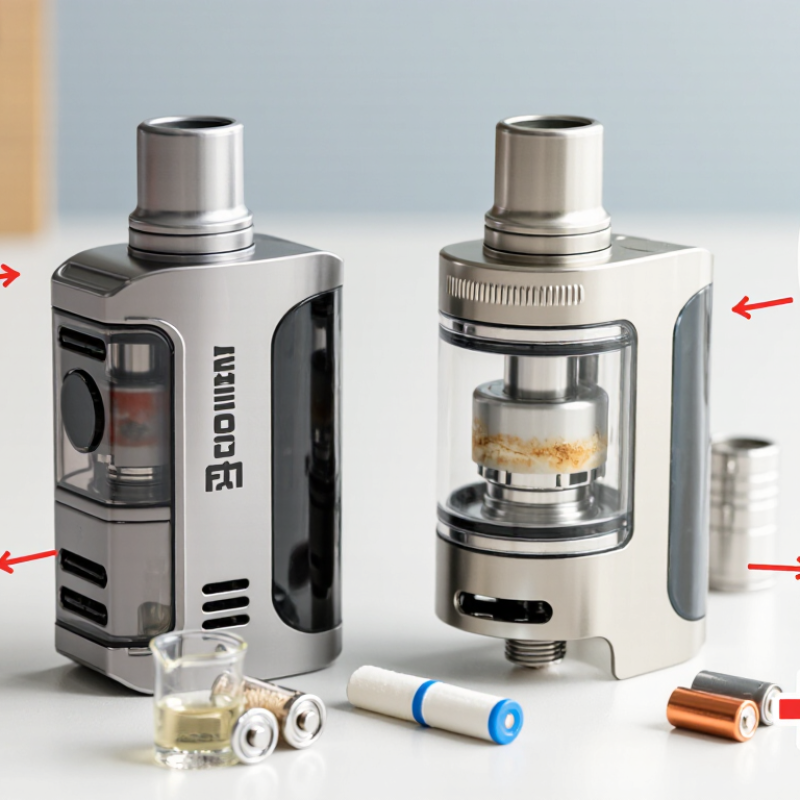
When flavor disappears, check the device before changing the liquid. I once blamed the liquid first, but a loose pod connection caused the problem. Remove the pod or tank, then inspect the contact points for moisture, residue, or e-liquid. Wipe them gently with a dry cotton swab. Check the coil as well. A dark, burnt-looking coil may need replacement according to the device instructions. Do not use the device if it leaks, cracks, overheats, or smells unusual.
The battery can also reduce performance. Charge it with the recommended cable and place it on a stable, non-flammable surface. A weak battery may produce less vapor and muted flavor. Never use a swollen or damaged battery. Stop immediately. Let the device cool between sessions, especially after several long draws. I have sometimes adjusted too many things at once, which made the real cause harder to find.
Airflow settings deserve careful attention. A nearly closed airflow can make vapor hot and harsh, while excessive airflow may thin the flavor. Try a small adjustment, then take a gentle draw. Check the airflow holes for dust, condensation, or blockage. Keep the opening clear. If the draw feels unusually tight, do not force it. Follow the manufacturer’s instructions for power levels and coil compatibility. Small changes matter.
Flavor loss often begins with the liquid, not the device. Check the bottle date, seal, color, and smell under bright light. A sharp, sour, or chemical odor means discard it; never taste-test questionable liquid. Separation may occur after long storage, but persistent layers or thickening suggest a problem. The National Academies’ 2018 report noted that heating can change flavoring chemicals and create new compounds. That matters when liquid tastes flat, harsh, or unexpectedly burnt.
Flavor profile also changes with expectations. Menthol, fruit, dessert, and tobacco-style liquids use different aromatic mixtures. Subtle notes can disappear after repeated exposure. CDC’s 2023 National Youth Tobacco Survey reported that 90.7% of current youth e-cigarette users used flavored products. The figure describes use, not quality. It does not prove stronger flavor is safer or better. Clean the mouthpiece, check airflow, and compare a small amount with a familiar flavor profile.
Storage is easy to underestimate. Keep sealed liquid upright, cool, and away from sunlight, heat, and moisture. A hot car or sunny windowsill can accelerate oxidation and flatten delicate notes. Avoid refrigeration unless product instructions permit it. Condensation and thickening may complicate use. Replace contaminated or leaking bottles. Steeping is not a universal fix; sometimes it only hides a weak recipe. If flavor remains absent, stop using the setup and consult the instructions or a qualified technician.
When a vape produces little flavor, an old coil is often the main cause. The cotton may look dark, dry, or slightly burnt. Flavor can fade before the vapor becomes noticeably weak. I replace the coil when taste stays flat after cleaning the mouthpiece and checking the liquid level. A burnt taste usually means the cotton has already suffered damage. Do not keep using it.
Turn off the device before removing the old coil. Wipe away excess liquid around the connection. Check the replacement part for cracks, loose threads, or unusual damage. Follow the device manual for the correct coil type and power range. Using an unsuitable coil can reduce flavor and create dry hits. This small check is easy to skip.
Prime the new coil carefully. Add a few drops of e-liquid to the visible cotton openings, without flooding the center tube. Fill the tank, then let it stand upright for five to ten minutes. I sometimes wait longer with thicker liquid. It is better to wait. Start at the lower end of the recommended power range, then increase slowly if needed. Take gentle, short puffs at first. Avoid repeated pulls while the cotton is still absorbing liquid. I have rushed this step before, and the first hit tasted burnt. If flavor remains weak, inspect the coil seal, airflow setting, and liquid freshness rather than immediately increasing power.
Clean the tank, mouthpiece, and connection points before changing liquids or hardware. A thin film of old liquid can coat the mouthpiece and dull fresh flavor. Remove the tank, then rinse compatible parts with warm water. Dry them completely. Never reconnect a wet tank.
Inspect the mouthpiece closely. Lint, condensed vapor, and sticky residue can narrow the airflow path. Wipe it with a clean, dry cotton swab. Avoid sharp objects, which may damage seals. Clean the device connection gently, especially around the metal contact points. A small amount of residue there can interrupt contact and reduce heating consistency. Keep liquid away from the battery section.
The National Academies of Sciences, Engineering, and Medicine reported that device design, liquid composition, and operating conditions can change aerosol emissions. That explains why flavor may shift after cleaning or refilling. The report also noted that flavor chemicals can behave differently under heat. Do not assume stronger heat creates better flavor. It may produce a harsher taste instead. The 2024 CORESTA guidance on aerosol testing also emphasizes controlled conditions for reliable results. In everyday use, that means checking airflow, power settings, and cleanliness together. I sometimes replace a component too quickly. Cleaning first is cheaper and often more revealing. If the taste remains burnt, metallic, or unusually weak, stop using the device and inspect damaged seals or heating parts.
When vapor suddenly tastes like air, vaper’s tongue is a common explanation. Your taste receptors may become temporarily less sensitive after repeated exposure to one flavor. Dehydration, nasal congestion, smoking, illness, and a dry mouth can also reduce flavor perception. The vapor may not be the real problem.
Check the basics carefully. A nearly empty liquid container, blocked airflow, worn heating material, or an incorrect power setting can weaken taste. Residue may also create a dull, burnt, or metallic note. Do not keep using a device that tastes burnt. Stop and inspect it according to the manufacturer’s safety guidance. I sometimes overestimate device faults, when simple dehydration is the cause.
Tips: Drink water regularly and take a break from vaping for a while. Gently clean the mouthpiece and check for airflow blockage. Avoid switching between many strong flavors, since this can make comparison harder. A mild, familiar flavor may help you notice changes. Fresh air can help, too. If flavor loss lasts several days, or includes mouth pain, sores, fever, or reduced taste elsewhere, speak with a healthcare professional. Persistent symptoms deserve more than another device adjustment.
Remove the pod or tank and inspect the contact points. Look for moisture, residue, or leaked liquid. Wipe them with a dry cotton swab. A loose connection caused my problem once.
Yes. Condensed vapor, lint, and old liquid can narrow the airflow path. Wipe the mouthpiece with a clean, dry swab. Avoid sharp objects. They can damage seals.
A dark or burnt-looking coil may need replacement. A burnt, metallic, or harsh taste is a warning sign. Stop using the device and follow its safety instructions. Do not keep testing it.
A weak battery may create less vapor and muted flavor. Charge it with the recommended cable on a stable, non-flammable surface. Never use a swollen or damaged battery. Let the device cool after long draws.
Change the airflow slightly, then take a gentle draw. Nearly closed airflow can create hot, harsh vapor. Excessive airflow may make flavor feel thin. Keep the airflow holes clear. Do not force a tight draw.
Yes, cleaning may reveal the real cause. Rinse compatible parts with warm water and dry them completely. Never reconnect a wet tank. I sometimes changed parts too quickly.
Yes. Dry mouth, nasal congestion, illness, smoking, and repeated exposure can reduce flavor perception. Drink water and take a break. Fresh air may help. The device may not be the problem.
Stop if it leaks, cracks, overheats, or smells unusual. Also stop with persistent burnt or metallic taste. Speak with a healthcare professional if symptoms last several days or include mouth pain, sores, fever, or wider taste loss. Small changes matter.
If you are wondering, “why am i not getting any flavor from my vape,” start by checking the device, battery level, power settings, and airflow. Incorrect airflow or insufficient power can make vapor feel weak and flavorless. Next, examine the e-liquid for freshness, proper storage, and a flavor profile that suits your preferences. Heat, sunlight, and long storage can affect its quality.
An old or poorly prepared coil may also reduce flavor, so replace it when needed and prime a new one carefully before use. Cleaning the tank, mouthpiece, and connection points can remove residue that dulls the taste and restricts airflow. Finally, consider vaper’s tongue, dehydration, congestion, or recent exposure to strong flavors, all of which can temporarily affect your sense of taste. By checking each possible cause methodically, you can usually restore a cleaner, more noticeable flavor experience.

Esaturn Vape