Traveling with e-cigarettes on airplanes can be a complex task. Many travelers are unsure about the regulations surrounding these devices. Understanding how to travel on an airplane with an e-cigarette is essential for a smooth journey. Airlines and security measures vary, which can lead to confusion.
It is crucial to know the right steps before you fly. Some airlines may allow e-cigarettes in carry-on luggage but prohibit their use during the flight. Packing your e-cigarette and e-liquids securely is vital. Remember to keep them in their original packaging if possible. This can help avoid any misunderstandings with security personnel.
Air travel with e-cigarettes requires careful planning and foresight. Many travelers make mistakes due to a lack of information. Familiarize yourself with the airline's specific rules. Also, consider local regulations at your destination regarding e-cigarettes. This preparation can lead to a hassle-free travel experience.
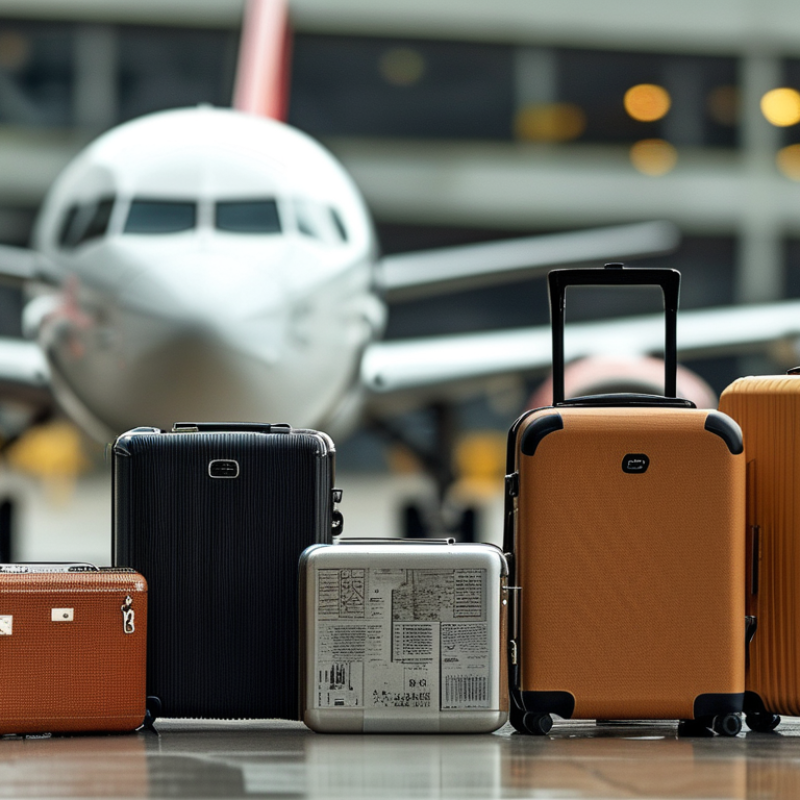
When flying, understanding airline regulations on e-cigarettes is crucial for all travelers. Many airlines prohibit the use of e-cigarettes on board, while some allow them only in specific areas. Most often, these devices must be stowed during takeoff and landing. Always check the airline’s guidelines before traveling.
Another important aspect is the storage of e-liquid. Most airlines require that e-liquids be packed in your carry-on luggage. Typically, containers must not exceed certain volumes. It can be easy to overlook these details, leading to potential issues at security checks. Additionally, regulations can vary widely between countries, adding to the confusion.
Despite the growing popularity of e-cigarettes, there remains a lack of uniform regulations. Travelers may feel uncertain about what is acceptable. This uncertainty can cause unnecessary stress. Keeping up to date with the latest policies is essential for a smooth journey. Overall, awareness of these regulations will enhance your travel experience while avoiding potential complications.
When packing e-cigarettes for air travel, understanding airline regulations is crucial. Airlines typically allow e-cigarettes in carry-on luggage only. Storing them in checked baggage is often prohibited due to safety concerns. Keeping e-cigarettes with you ensures quick access during the flight, but you'll need to consider battery safety.
Batteries should be protected to prevent accidental activation. Carry spare batteries in a designated case. This minimizes risks for both you and the passengers around you. Don't forget about e-liquids. Most airlines restrict liquid volume to containers under 100 ml—this includes e-juice. Pack it securely, ensuring it’s leak-proof.
Remember, regulations may vary between airlines and countries. Some regions may have strict rules about e-cigarette use. Always check local laws and airline policies before traveling. This helps avoid misunderstandings at security checkpoints or boarding. Traveling with e-cigarettes requires careful preparation and attention to guidelines.
When traveling with e-cigarettes, it is essential to understand the safety guidelines for using them during flights. The majority of airlines prohibit the use of e-cigarettes in-flight. According to a report from the International Air Transport Association, 80% of incidents involving electronic nicotine delivery systems (ENDS) were linked to devices overheating or malfunctioning. These incidents highlight the importance of storing e-cigarettes properly and keeping them powered off while onboard.
Passengers can carry e-cigarettes in their carry-on luggage. It is crucial to check airline policies, as rules can vary. While airlines allow e-cigarettes, federal regulations often restrict their use in terminals. Research indicates that the vapor produced may contain harmful substances. Inhalation may pose risks not only to the user but also to those nearby. Consider the enclosed environment of an airplane where air circulation is limited.
Rechargeable lithium batteries are common in e-cigarettes, raising safety concerns. The U.S. Fire Administration has documented fires caused by battery malfunctions. Keeping devices in your carry-on reduces the risk of fire during flights. Passengers should maintain awareness and handle their devices with care. Awareness of these guidelines ensures a safer experience for everyone on board.
When traveling with e-cigarettes, it’s crucial to understand how to properly dispose of them during security checks. Airports have strict regulations. You can take e-cigarettes onboard, but the liquids must meet specific criteria. Generally, liquids should be in containers of 100 milliliters or less. All liquids must fit into a transparent, resealable plastic bag. This includes e-liquid for your device.
During security checks, improper disposal can lead to delays. Some travelers face confusion about which items to keep. If your e-liquid exceeds the allowed limit, it will be discarded. It's frustrating, especially if the product was expensive. Keep an eye on your liquids as they go through the scanner.
Consider the impact of environmental waste. Disposing of e-cigarettes can be tricky. Many don’t know they can recycle some components. Research local disposal methods or designated recycling programs. This can reduce harm to the environment. Remember, while you want to enjoy your vaping experience, being informed is vital on your journey.
| Aspect | Details |
|---|---|
| Carry-on Policy | E-cigarettes are allowed in carry-on bags but not in checked luggage. |
| Liquid Restrictions | E-liquid containers must not exceed 100ml and should fit within a quart-sized bag. |
| Battery Safety | Batteries should be protected from short circuits, preferably in their original packaging. |
| Using E-Cigarettes | Usage is prohibited during the flight; check with airline policies regarding vaping. |
| Disposal at Security | Dispose of e-liquids and e-cigarettes as per airport regulations; do not attempt to carry through security. |
| International Travel | Rules may vary by country; always check destination regulations before traveling. |
Traveling with e-cigarettes requires careful planning. Many destinations have specific regulations regarding their use. Before heading to your location, research local laws. Some places may ban usage in public areas. Understanding these restrictions helps avoid unexpected fines or conflicts.
When on an airplane, pack your e-cigarette in your carry-on. This rule is crucial. Batteries can pose risks if stored in checked luggage. Airlines often have strict guidelines on where you can use your device. Familiarize yourself with these rules to ensure a smoother experience.
Consider your destination’s culture around vaping. In some regions, it’s embraced. In others, it may be frowned upon. Engage with local communities respectfully. Avoid using your e-cigarette in places where it might offend. Keeping an open mind can lead to enjoyable experiences. Traveling with an e-cigarette isn’t just about the device. It’s about navigating new environments with awareness.
: Many airlines prohibit e-cigarettes on board. Some allow them only in designated areas.
E-cigarettes should be in carry-on luggage only. Checked baggage is often not allowed for safety reasons.
E-liquids must be under 100 ml and should be leak-proof. Pack them securely in your carry-on.
Protect batteries to prevent accidental activation. Use a designated case for spare batteries.
No, regulations vary between airlines and countries. Always check local laws and airline policies.
Research local laws on e-cigarette usage. Some places may ban them in public areas.
Be aware of how different regions view vaping. Avoid using e-cigarettes in places where it may offend.
Overlooking packing guidelines or liquid volumes can lead to issues. Always double-check airline regulations.
Understanding guidelines reduces stress and avoids complications during your journey.
Not adhering to regulations can lead to fines or conflicts. Always plan and prepare ahead of time.
When considering how to travel on an airplane with an e-cigarette, it's essential to understand the regulations set by airlines regarding these devices. Guidelines typically prohibit the use of e-cigarettes during the flight, while packing them in your carry-on luggage is generally allowed, though some airlines may have specific restrictions. Additionally, it's important to be aware of how to properly dispose of e-liquids and e-cigarette devices at security checkpoints, as they may not be permitted through screening.
For a smooth travel experience, e-cigarette users should also research destination-specific laws about vaping, as regulations can vary significantly across regions. Being informed about packing protocols, usage restrictions during the flight, and local vaping laws will ensure a hassle-free journey for those bringing their e-cigarettes along.

Esaturn Vape