The question “what is sub-ohm vaping and is it safe” deserves a careful, evidence-based answer. Sub-ohm vaping uses a coil with resistance below one ohm. This design usually needs higher power and produces larger clouds, warmer vapor, and more liquid consumption. Imagine a small device heating quickly in your hand. That extra heat changes the experience.
Dr. Konstantinos Farsalinos, a cardiologist and tobacco-harm-reduction researcher, has stated, “Electronic cigarettes are by far less harmful than tobacco cigarettes.” His comment offers useful context, but it does not mean sub-ohm vaping is harmless. Risk depends on the device, liquid, nicotine strength, battery quality, and user behavior. It also depends on what the person used before.
Safety requires attention to simple details. Use compatible batteries and chargers. Inspect wraps for damage. Keep batteries away from keys and loose metal objects. Follow the device manufacturer’s power limits. Never use a damaged coil or leaking tank. High-powered devices can increase nicotine delivery, throat irritation, and accidental exposure to e-liquid.
Not for everyone.
Adults who already smoke may view vaping as a less harmful alternative, but non-smokers should not begin. Young people and pregnant individuals should avoid nicotine products. The research continues, and some long-term effects remain uncertain. That uncertainty matters. A responsible guide should acknowledge it instead of promising complete safety.
This article will explain how sub-ohm systems work, why they create larger vapor, and which practical precautions reduce avoidable risks. It will also examine where popular claims become too confident, because safer does not mean safe.
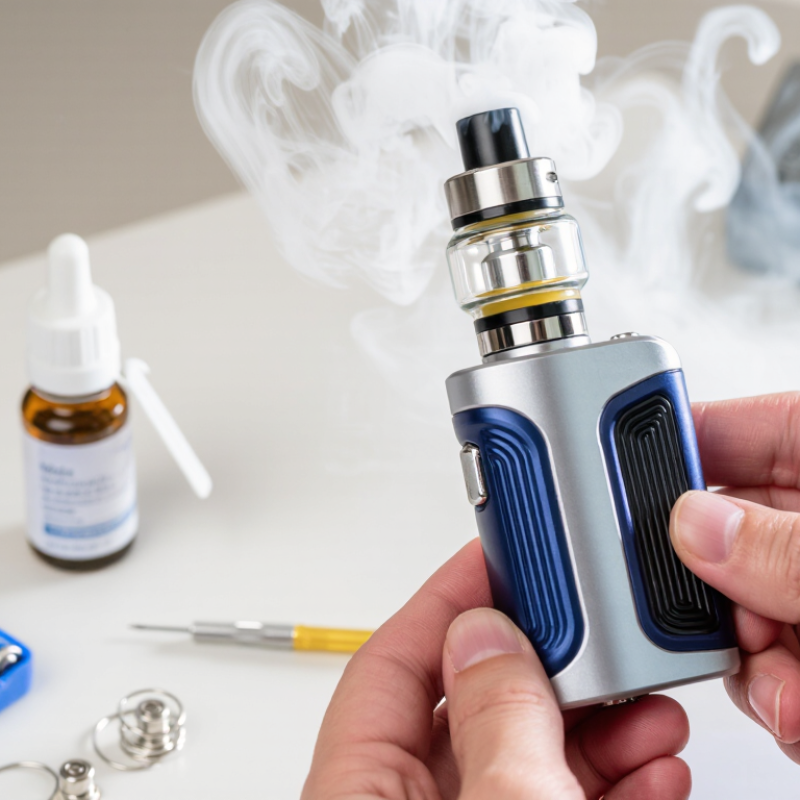
What does sub-ohm vaping mean? The term describes a vape coil with resistance below one ohm. Resistance is measured in ohms, a unit used in electrical systems. A lower-resistance coil allows more current to pass through the heating wire. Devices then operate at higher power settings. This usually creates warmer vapor, stronger airflow, and larger clouds. It is a technical setup, not a separate type of liquid.
In practice, sub-ohm vaping often uses a direct-to-lung inhale. You draw vapor into the lungs, similar to breathing through a wide straw. Large airflow openings help cool the vapor. A short puff can still produce a dense cloud. The coil may consume liquid quickly, sometimes emptying a small tank within a day. Nicotine strength is often lower, but the amount absorbed can vary with liquid, power, puff length, and individual habits. More vapor does not automatically mean a safer experience.
Safety depends on the whole setup. Use a regulated device, compatible components, and batteries without damaged wraps. Follow the manufacturer’s power range, and never ignore unusual heat, leaking, or a burnt smell. It is not risk-free. Research on long-term vaping effects remains incomplete, so confident health claims would be premature. A common mistake is treating bigger clouds as better performance. They mainly show that more liquid and energy are being used. Non-smokers and young people should not begin vaping.
Sub-ohm vaping uses coils with resistance below one ohm. Lower resistance allows more electrical current to pass through the coil. The coil heats quickly and turns e-liquid into a denser aerosol. You can see the difference in the larger clouds and warmer airflow.
These devices usually need higher power than standard vaping equipment. A regulated device can control output and display warnings when conditions become unsafe. Correct coil installation still matters. The resistance should match the device’s supported range. Battery quality, sufficient charge, and undamaged wraps are essential. Never use a battery that looks swollen, torn, or unusually hot.
Airflow cools the coil and changes the vaping experience. Wide airflow feels cooler and supports deeper inhalation. Restricted airflow creates more heat and a stronger sensation. E-liquid disappears faster, especially with high-power settings. Nicotine strength also deserves attention because larger vapor production can deliver more nicotine per puff. Check the liquid label carefully.
Prime a new coil by wetting its cotton and waiting several minutes. A dry coil may taste burnt and irritate the throat. I have found that rushing this step causes avoidable problems. Even experienced users can misjudge heat, airflow, or battery condition. Sub-ohm equipment is not risk-free, and beginners may need guidance from qualified, safety-focused retailers. Seminars and manuals help, but personal habits still determine much of the outcome.
Sub-ohm vaping uses a coil with resistance below one ohm. It produces more vapor at higher power. That changes the experience quickly. A short inhale can feel hot, dense, and surprisingly strong. The vapor itself is not harmless. It may irritate the throat and lungs, especially when airflow is restricted or the device overheats.
Power and vapor depend on each other. Stay within the coil maker’s recommended wattage range. More power does not automatically mean better performance. Excess heat can create a burnt taste and make the aerosol harsher. Keep the battery in good condition, and stop using the device if it becomes unusually hot, damaged, or swollen. Small mistakes matter here. I still think many users underestimate battery risks because the device looks simple.
E-liquid factors deserve equal attention. Vegetable glycerin usually creates thicker clouds, while propylene glycol often gives a sharper throat sensation. Higher nicotine strength can feel overwhelming in a powerful setup, causing dizziness, nausea, or a racing heartbeat. Choose clearly labeled liquids from suppliers with transparent testing and ingredients. Avoid unknown additives and liquids that look separated or contaminated. “Smooth” does not always mean safer. Personal tolerance varies, so reducing power and taking shorter puffs may be sensible when irritation appears.
How to Understand What Sub Ohm Vaping Is and Is It Safe?
Sub-ohm vaping uses a coil with resistance below one ohm. It usually produces more heat, vapor, and aerosol than standard devices. That extra output can increase nicotine exposure, especially with frequent inhalation. Dizziness, nausea, headache, and a racing heartbeat may signal too much nicotine. Dependence can develop quietly.
The health risks extend beyond nicotine. Heated aerosol may contain irritating particles, flavoring chemicals, and traces of metals from the coil. These substances can affect the throat and lungs. People with asthma or other breathing conditions may notice coughing, chest tightness, or worsened symptoms. The long-term effects remain uncertain. Claims of complete safety would be misleading.
There are physical hazards too. A damaged battery can overheat, vent, or cause serious burns. Loose batteries, metal objects, and careless charging increase that risk. Hot liquid may leak onto the skin or mouth. Keep devices away from children and pets, and never use damaged equipment. I once viewed larger vapor clouds as only a performance detail. That assumption was too simple. More aerosol can mean more exposure, not better safety. Anyone considering sub-ohm vaping should discuss nicotine use with a qualified healthcare professional, particularly during pregnancy or when managing heart and lung conditions.
Sub-ohm vaping uses coils below one ohm, usually with higher power and larger airflow. This produces dense vapor, but it also increases heat, liquid consumption, and nicotine delivery. The 2022 Office for Health Improvement and Disparities evidence update reported that vaping is substantially less harmful than smoking, while stressing that it is not risk-free. The National Academies’ 2018 report also found conclusive evidence that e-cigarette aerosols can contain potentially toxic substances.
Use sub-ohm equipment cautiously. Check the coil’s resistance and recommended wattage before pressing the button. Start at the lower wattage. Increase slowly. A burnt taste means stop, not continue. Keep the wick fully saturated, because dry heating can overheat the coil and create an unpleasant aerosol. Small details matter.
Battery safety needs equal attention. Inspect batteries for torn wraps, dents, or unusual heat. Replace damaged cells immediately. Use only compatible batteries, and never carry loose cells with keys or coins. Charge on a clear, non-flammable surface, away from children and pets. Do not leave charging equipment unattended. The U.S. Food and Drug Administration repeatedly advises consumers to follow device instructions and avoid damaged batteries. It is easy to assume experience prevents mistakes. That assumption needs checking. Even experienced users should recheck resistance, battery condition, and liquid strength before every session.
It uses a coil with resistance below one ohm. Lower resistance allows more current to pass through the heating wire.
It usually creates warmer vapor, stronger airflow, and larger clouds. Bigger clouds mainly mean more liquid and energy are being used.
Many users inhale directly into the lungs. The draw can feel like breathing through a wide straw.
Yes, high-power settings can empty a small tank within one day. The exact amount depends on puff length and personal habits.
Not necessarily. Larger vapor production may deliver more nicotine per puff. Absorption varies with power, liquid strength, and inhalation habits.
Use compatible parts and a regulated device. Check the coil range, battery charge, and battery wrapping carefully.
Stop using it immediately. Never use batteries that look swollen, torn, or unusually hot.
Wet the cotton with e-liquid and wait several minutes. Start low. Rushing this step can cause a burnt taste and throat irritation.
No. It shows greater liquid and energy use, not improved safety. Long-term health effects remain incomplete, so confident claims are premature.
Understanding what is sub-ohm vaping and is it safe requires looking at both the technology and the risks involved. Sub-ohm vaping refers to using a coil with resistance below one ohm, usually paired with a more powerful device. The lower resistance allows the coil to heat more quickly, producing larger vapor clouds and stronger flavor. Power settings, coil condition, airflow, battery capacity, and e-liquid composition all affect the vaping experience. E-liquids with a suitable balance of ingredients and nicotine strength should be selected carefully, especially because high vapor production may increase nicotine intake.
Sub-ohm vaping is not risk-free. Potential concerns include nicotine dependence, throat and lung irritation, overheating, battery failure, leaking, and accidental exposure to e-liquid. Users can reduce avoidable hazards by reading equipment instructions, using compatible components, checking coils and batteries for damage, keeping devices away from extreme heat and children, and avoiding excessive power settings. Anyone who does not already use nicotine should not begin vaping, and people with health concerns should seek advice from a qualified professional.
Esaturn Vape