How to Use a Temperature Control Vape Mod Safely

Time:2026-10-05 Author:Charlotte
0%

Temperature control vaping can feel safer and more predictable than standard wattage vaping. However, it still requires careful setup, compatible hardware, and realistic expectations. This guide explains how to use a temperature control vape mod with legal, commercially available products only. It does not encourage vaping or suggest that vaping is harmless.

Temperature control depends on accurate coil materials, stable resistance, and correct settings. Stainless steel, nickel, and titanium coils behave differently, so users should follow the mod and coil manufacturers’ instructions. Never guess the metal type. Never use an unsupported coil. A small mistake can create unreliable readings or damage the device.

Check the coil before every session. It should sit firmly, without loose connections or visible damage. Allow a new coil to absorb e-liquid fully. Dry hits are unpleasant and may indicate poor wicking or excessive temperature. Keep the screen visible while adjusting settings. Begin conservatively, then make small changes.

Battery safety matters just as much. Use the recommended batteries, inspect their wraps, and charge them with suitable equipment. Stop using the mod if it becomes unusually hot, leaks, or behaves strangely. Store it away from direct sunlight, water, children, and pets.

The process is not always perfect. Some devices display fluctuating resistance, especially after warming. Recheck the connection instead of forcing a setting. Read the manual carefully, because menus and protections vary between models. If the device remains unpredictable, stop using it and seek qualified assistance. Careful habits make temperature control more understandable, but they cannot remove every risk.
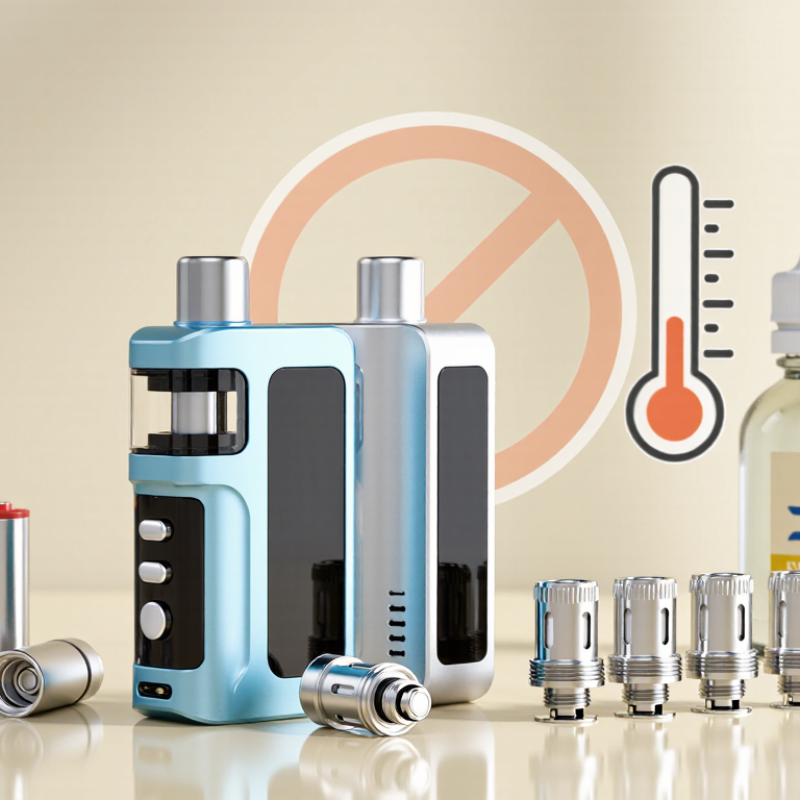
How to Use a Temperature Control Vape Mod Safely

Understanding Temperature Control Vape Mod Components and Settings

A temperature-control vape mod uses several linked components: a battery, control board, atomizer, coil, wick, and temperature sensor. The board reads coil resistance and adjusts power as the coil heats. Compatible wire matters. Stainless steel, nickel, or titanium settings are not interchangeable. Using the wrong material can produce inaccurate readings.

Temperature is usually shown in Celsius or Fahrenheit, while wattage controls how quickly the coil reaches that limit. Set the correct wire type before vaping, then lock the resistance only when the coil is cool. A warm coil can create a false baseline. The National Academies of Sciences, Engineering, and Medicine reported in 2018 that aerosol emissions vary with device design, operating conditions, and temperature. Higher temperatures may increase unwanted chemical emissions. Temperature control reduces dry heating, but it is not foolproof.

Tips: Check the coil, wick, and battery before every session. The wick should look evenly saturated, not pale or scorched. Begin with modest wattage and raise it slowly. Stop if the device becomes unusually hot, leaks, or shows unstable resistance. I still recheck settings after replacing a coil. That small habit prevents careless mistakes. Use only the charger and battery arrangement specified by the device instructions, and never rely on the screen alone.

How to Use a Temperature Control Vape Mod Safely

Understanding Temperature Control Vape Mod Components and Settings

Temperature control works by detecting resistance changes as a compatible coil heats up. The chart shows approximate temperature coefficients of resistance (TCR) for commonly used TC wire materials. Actual values can vary by alloy and manufacturer, so always follow the wire specification, lock the resistance only when the coil is completely cold, and use a mod and atomizer designed for temperature control.

Nickel and titanium require dedicated TC settings and should not be used in standard wattage mode. Stainless steel is also used for TC, but its exact TCR depends on the grade and material specification.

Choosing Compatible Coils and Materials for Temperature Control

How to Use a Temperature Control Vape Mod Safely

Choosing a compatible coil is the foundation of safe temperature control. The wire must change resistance predictably as it heats. Stainless steel is commonly used because it supports temperature control and can be easier to handle. Nickel and titanium may also work, but they require accurate settings and careful handling. Never use a wire profile that your device does not support. Some coil materials are designed only for variable-wattage use.

Read the device manual before installing anything. Match the material setting to the actual wire, not the coil’s appearance. Install the coil while it is completely cool, then check its resistance. A loose post can create unstable readings. I once trusted an automatic resistance reading without checking the screws. The result was inconsistent heating, and that was my mistake. Lock the resistance only when the coil is at room temperature.

Inspect the coil before use. Look for uneven wraps, damaged wire, or dry cotton. Start with a conservative temperature and increase it slowly. Keep the wick properly saturated. Never dry-fire a coil with cotton installed. If the device shows sudden resistance changes, stop using it and investigate. Temperature control is helpful, but it is not a substitute for inspection. My own checks became more reliable after I stopped rushing, although I still occasionally recheck settings twice.

Setting the Correct Temperature, Wattage, and Resistance

A temperature control vape mod can feel precise, but safe use depends on matching three settings: temperature, wattage, and resistance. Before vaping, inspect the coil, tank, and battery for damage. Use a coil designed for temperature control, such as stainless steel, nickel, or titanium, only when the device supports that material. Never choose a wire profile by guesswork. I once assumed a familiar resistance reading meant the setup was ready. It was not. The coil was still warm, so the reading changed after cooling.

Let the coil reach room temperature, then attach it and lock the resistance if the mod requires it. A stable reading matters because the device estimates temperature from resistance changes. If the reading jumps, stop and check the connections.

Set a conservative temperature, often around 180–220°C, then increase it slowly. Lower settings usually produce a cooler, gentler draw. Wattage controls the initial heating speed, not a guaranteed final temperature. Start below the coil’s suggested range and raise it in small steps. Keep the first puff brief.

Watch for a dry taste, harsh heat, leaking, or unusual noise. Pause immediately. Do not respond by increasing wattage. Keep airflow open enough to limit excess heat, and refill before the wick dries. Check battery wraps and follow the device manual when charging. Never use damaged batteries. Temperature control is not foolproof. It may misread a loose coil or unsuitable wire. If performance remains inconsistent, stop using the setup until it is checked or replaced.

Using a Temperature Control Vape Mod Safely During Each Session

Using a Temperature Control Vape Mod Safely During Each Session

Before each session, inspect the mod, tank, coil, and battery area. Do not use the device if the battery wrap is torn, swollen, or unusually warm. Confirm that the coil material matches the temperature-control setting. Nickel, titanium, and stainless steel coils behave differently. Never guess the material. Check the manual or replace the coil with a known compatible one. The coil should be properly attached, and the tank should contain enough e-liquid to prevent dry heating.

Tips: Begin at a low temperature and increase it gradually. Keep the device upright on a stable surface. Take gentle, consistent puffs instead of long, forceful draws. Stop immediately if you notice a burnt taste, sudden heat, leaking, or unusual noise. Allow the mod to cool between repeated sessions. Small pauses matter. Do not charge it unattended, overnight, or near fabric and paper.

Temperature control reduces overheating risk, but it cannot correct every setup error. A loose coil, incorrect resistance reading, or damaged battery can still create danger. Recheck the screen after installing a new coil, especially if the resistance changes unexpectedly. It is tempting to trust the display completely. That is not enough. Follow the manufacturer’s safety instructions, keep the device away from children and pets, and use it only where vaping is permitted. Safety improves when each session receives the same careful attention.

How to Use a Temperature Control Vape Mod Safely - Using a Temperature Control Vape Mod Safely During Each Session
Step Session Stage Safety Dimension Safe Practice Key Data or Warning
1 Before Setup User and device condition Use the device only if you are of legal age and understand its controls. Do not use a mod that is cracked, leaking, wet, unusually hot, or physically damaged. Stop using damaged equipment immediately.
2 Before Setup Battery inspection Check removable batteries for torn wraps, dents, corrosion, or overheating. Keep batteries in a protective case when they are not installed. Never carry loose batteries with keys or coins.
3 Before Setup Battery charging Use the charging method specified in the device instructions. Charge on a nonflammable surface, remain nearby, and disconnect when charging is complete. Do not charge overnight or on soft furnishings.
4 Coil Installation Temperature-control wire type Use only a coil material explicitly supported by the mod, such as stainless steel, nickel, or titanium when listed by the manufacturer. Do not use temperature-control mode with an unsupported coil. Material compatibility must be confirmed in the manual.
5 Coil Installation Resistance reading Install the coil securely and allow the device to read its resistance at room temperature. If the resistance changes unexpectedly, stop and inspect the coil, posts, and connections. A fluctuating reading can cause inaccurate temperature control.
6 Liquid Preparation Wick saturation Prime a new coil according to the coil instructions and allow the wick to become fully saturated before vaping. Keep the tank supplied with liquid during use. A dry wick can produce a harsh or burnt draw.
7 Mode Selection Temperature setting Select temperature-control mode only after confirming the correct coil material. Begin at the lower end of the range recommended for the coil and increase gradually only if needed. There is no universal safe setting for every coil or device.
8 Mode Selection Temperature conversion If the device displays Fahrenheit, use the conversion formula: °F = (°C × 9/5) + 32. For reference, 200°C equals 392°F and 250°C equals 482°F. Use the device’s own temperature scale and limits.
9 First Draws Power and airflow response Take a short, gentle draw and check for unusual heat, a burnt taste, leaking liquid, error messages, or inconsistent vapor. Stop if any abnormal condition occurs. Never continue after a warning or fault indication.
10 During Use Heat monitoring Keep the mod away from direct sunlight and other heat sources. Stop using it if the battery, body, or tank becomes unusually hot to touch. Excessive heat is a reason to disconnect and inspect the device.
11 During Use Electrical safety Keep e-liquid away from the battery compartment and charging port. Do not use the device while it is wet, and do not bypass protections or modify the battery system. Liquid and damaged wiring can create an electrical hazard.
12 During Use Personal exposure Avoid vaping around children, pets, and people who may be affected by aerosol. Keep e-liquid containers closed and clean spills promptly. Nicotine-containing liquid can be harmful if swallowed or absorbed through skin.
13 Session End Power-off procedure Turn the device off or lock its controls before placing it in a pocket, bag, or storage area. Store it upright when practical to reduce leakage. Prevent accidental activation during transport.
14 After Use Cleaning and inspection Wipe e-liquid from the tank and connections with a dry cloth. Inspect the coil, seals, battery contacts, and charging port before the next session. Replace worn seals, damaged coils, or compromised batteries.
15 Storage Environmental conditions Store the device and batteries in a cool, dry place away from direct sunlight, children, pets, and flammable materials. Avoid extreme heat, moisture, and unsecured battery storage.
Important: Temperature-control performance depends on the device firmware, coil material, resistance, battery condition, and settings. Always follow the specific operating, charging, and storage instructions supplied with the device. This table is general safety information and does not replace the manufacturer’s manual or professional advice.

Maintaining, Inspecting, and Troubleshooting the Device Responsibly

How to Use a Temperature Control Vape Mod Safely

A temperature-control vape mod needs careful maintenance, not casual handling. Check the body, screen, buttons, and battery door before every use. Look for cracks, loose parts, damaged wrapping, or unusual heat. Clean e-liquid from the contacts with a dry cotton swab. Never use the device when its battery is damaged. Charge it on a clear, nonflammable surface, and do not leave it unattended. Follow the device manual, especially for charging and battery limits.

Tips: Confirm that the coil material supports temperature control. Let the coil cool before checking resistance. A wrong material setting can cause unstable heating. Keep the tank secure, but avoid overtightening it. Store the mod away from sunlight, moisture, children, and pets. Small details matter.

If the display shows unstable resistance, stop and inspect the coil connection. Reinstalling the coil may help, but repeated changes suggest a deeper fault. If the device becomes unusually hot, leaks heavily, smells burnt, or activates unexpectedly, turn it off and stop using it. Do not open the sealed electronics or attempt an improvised repair. Temperature control is not foolproof. I still recheck settings after replacing a coil, because a familiar routine can create careless mistakes. When troubleshooting, write down what changed before the problem appeared. That simple record can prevent guesswork.

FAQS

Which coil materials are suitable for temperature control?

Use wire that changes resistance predictably as it heats. Stainless steel is commonly suitable and easier to handle. Nickel and titanium may work with accurate settings. Never select a material profile your device does not support.

How should I install a temperature-control coil?

Read the device manual before installation. Install the coil while it is completely cool. Check that the wraps are even and the screws are tight. Match the setting to the actual wire, not its appearance.

When should I lock the coil resistance?

Check resistance at room temperature. Lock it only after the coil has cooled completely. A loose post can create unstable readings. Automatic readings are convenient, but I still verify the screws.

What should I inspect before using the device?

Check the coil, cotton, tank connection, screen, buttons, and battery door. Look for damaged wire, dry cotton, cracks, or loose parts. Small details matter. Do not rush this inspection.

How can I reduce overheating during use?

Start with a conservative temperature and increase it slowly. Keep the cotton properly saturated. Never dry-fire a coil with cotton installed. If the device becomes unusually hot, turn it off and stop using it.

What does unstable resistance usually indicate?

Stop using the device and inspect the coil connection. Check the screws, posts, and tank seating. Reinstalling the coil may help. Repeated resistance changes suggest a deeper fault.

How should I care for the battery and device body?

Never use a battery with damaged wrapping. Check for unusual heat, cracks, or loose parts. Clean liquid from contacts with a dry cotton swab. Charge the device on a clear, nonflammable surface. Do not leave charging unattended.

What should I do if the device leaks, smells burnt, or activates unexpectedly?

Turn it off immediately and stop using it. Do not open sealed electronics or attempt an improvised repair. Record what changed before the problem appeared. I still recheck settings twice sometimes, because familiar routines can hide careless mistakes.

Conclusion

Learning how to use a temperature control vape mod safely begins with understanding its key components, display settings, and control modes. Users should select coils made from materials compatible with temperature control, such as stainless steel, nickel, or titanium when supported by the device, and avoid mixing unsuitable materials. Before vaping, install the coil correctly, allow the device to detect a stable resistance at room temperature, and set a suitable temperature and conservative wattage according to the coil’s specifications. Accurate resistance readings are essential for consistent performance and protection.

During each session, inspect the tank, coil, battery, and connections for leaks, damage, or overheating. Use the device only as directed, keep it away from water and extreme heat, and stop immediately if it produces unusual odors, excessive heat, or inconsistent output. Regularly clean the connections, replace worn components, and troubleshoot by checking resistance, coil installation, and battery condition. Responsible maintenance and careful settings help support a safer, more controlled experience.

Charlotte

Charlotte

Charlotte is a seasoned marketing professional with a deep understanding of the company's portfolio and a passion for elevating its presence in the market. With a keen eye for detail and a commitment to excellence, she ensures that our professional blog is regularly updated with insightful articles......