Why Is My Vape Not Hitting and How to Fix It?

Time:2026-09-25 Author:Liam
0%

A vape that will not produce vapor can be frustrating, especially when its indicator light turns on but nothing comes through the mouthpiece. The cause may be simple: a low battery, blocked airflow, a loose pod, or a coil that has reached the end of its life. Sometimes the signs are less clear. A faint gurgle, a burnt taste, or a blinking light can point to different problems, depending on the device.

This guide explains how to fix a vape that won't hit using basic, cautious checks. You can inspect the charging connection, make sure the pod is seated correctly, and check for visible debris around the airflow openings. Give the device time to cool if it feels unusually warm. Do not pry open its battery or attempt repairs beyond the manufacturer’s instructions. Small details matter. A nearly invisible film of liquid on the contacts can interfere with a connection, while a device that has been dropped may have damage you cannot see.

Not every check will reveal the cause. That can be annoying. Device designs vary, and a fix that works for one model may not suit another. If the vape leaks, stays hot, appears damaged, or still fails after routine checks, stop using it and consult the manufacturer or a qualified retailer. Careful troubleshooting should make the next step clearer, not push you into risky repairs.
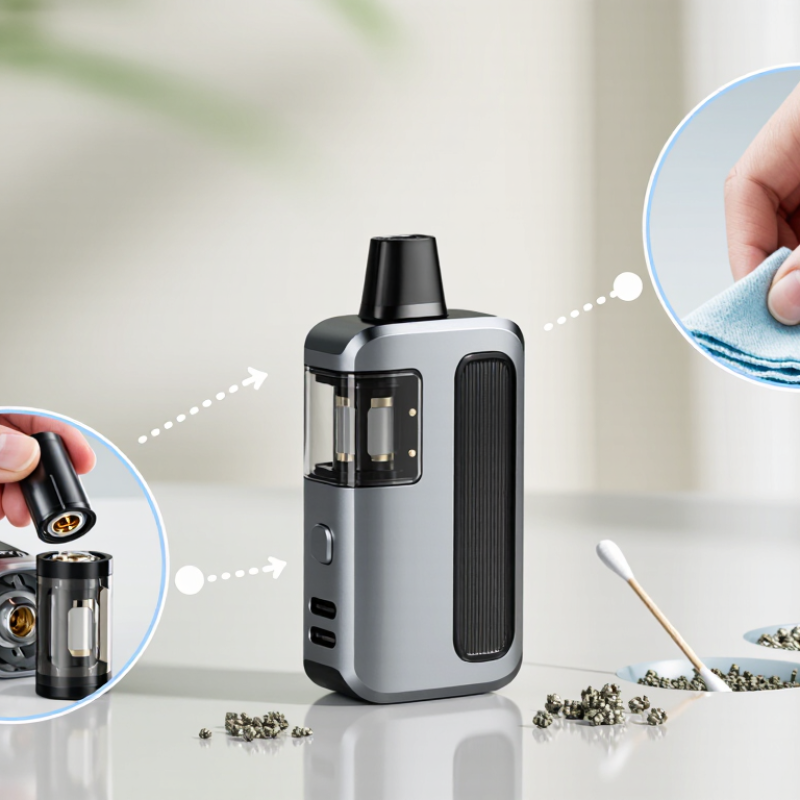
Why Is My Vape Not Hitting and How to Fix It?

How a Vape Device Produces Vapor

How a Vape Device Produces Vapor

A vape produces an aerosol when its battery powers a small heating element. Liquid moves through a wick toward the heated coil, where it becomes tiny airborne droplets. It is not simply water vapor. A clear tank window can help you check whether liquid reaches the wick, though some devices hide the reservoir. The airflow path matters too. When you inhale, air passes the coil and carries the aerosol through the mouthpiece. Some devices activate with a button; others use an airflow sensor. Small parts, big effect.

If your vape is not hitting, check these steps without forcing anything. Make sure the battery is charged, then confirm the device is switched on if it has a power button. Look for blocked airflow, a loose mouthpiece, or a tank with very little liquid. A dry wick may need time to absorb liquid after a refill. If the coil is worn, vapor can become weak or taste burnt. I might overlook a simple blockage myself; it happens. Clean accessible contacts with a dry cloth, following the device instructions. Do not open the battery housing or use a device that is cracked, leaking, unusually hot, or swollen. Stop using it and seek qualified help.

Common Reasons a Vape Is Not Hitting

A vape that will not produce vapor usually has a simple cause: a drained battery, blocked airflow, or a pod with too little liquid. Check the charge indicator, then inspect the mouthpiece for lint or dried residue. A tight draw can feel like a dead device. A loose pod or dirty electrical contacts may also interrupt power; switch the device off and wipe contacts with a dry cloth. Do not scrape them with metal.

The heating coil may be worn, flooded, or not fully saturated. If a new pod tastes dry or produces little vapor, follow its instructions and allow time for the liquid to reach the coil. Avoid repeated hard pulls; they rarely fix a blockage. Liquid that looks cloudy, leaked, or sits below the coil’s inlet is another clue. Small detail, big difference.

FEMA’s 2017 safety review identified 195 reported e-cigarette fires and explosions in the United States between 2009 and 2016. That report does not measure ordinary “no-hit” complaints, but it supports careful handling: stop using a device with a swollen, unusually hot, or damaged battery, and never open or modify it.

I still find airflow easy to overlook. If basic checks fail, replace the worn pod or seek qualified service rather than forcing the device.

How to Diagnose the Problem Step by Step

When a vape will not hit, diagnose one cause at a time. Check the charge indicator and use only the charging method recommended for the device. Then inspect the airflow openings for lint or debris. Clear visible blockage gently; do not push objects inside. Check that the pod or tank is seated correctly and has enough liquid. A loose connection or empty reservoir can interrupt normal operation.

Try one slow draw without covering the air inlets. If the device activates but produces little vapor, pause and check for a clogged mouthpiece or a poorly seated component. If it remains unresponsive, stop. Do not open the battery or keep charging a hot, swollen, leaking, or damaged device. The U.S. Fire Administration’s 2017 technical review documented 195 e-cigarette fire or explosion incidents from 2009 to 2016, including 133 acute injuries. That safety record makes guesswork a poor repair method. I may be missing a device-specific issue, so consult its instructions or a qualified retailer if these checks fail.

How to use this chart: Follow the checks in order; the bar lengths show sequence only, not failure rates. Confirm the device is charged and switched on, check for blocked airflow, ensure the pod or cartridge is seated correctly, and check that it contains e-liquid. Clean the contacts with a dry cloth. If the coil tastes burnt, replace it according to the device instructions. Stop using the device if it is damaged, leaking, or unusually hot.

Safe Fixes for Common Vape Issues

When a vape will not hit, check the simple things before assuming it is broken. Turn it off and inspect the mouthpiece and airflow holes for lint or residue. Wipe accessible contacts with a dry cotton swab; do not scrape them with metal. If it is refillable, check the liquid level and avoid filling past the marked limit. A new coil may need several minutes to soak. Small checks first.

If it still fails, use only the charging cable and power source recommended for the device, and charge it on a clear, hard surface while nearby. The U.S. Fire Administration’s 2017 report documented 195 media-reported e-cigarette fire and explosion incidents in the United States from 2009 to 2016. Those reports do not show how often ordinary devices fail, but they support careful battery handling. Stop using a device that is unusually hot, swollen, leaking, or visibly damaged. Do not open it or attempt battery repairs.

A weak draw can also come from a blocked airflow path or a depleted, non-refillable device. Clear only removable residue; never rinse electrical parts. If the device keeps misfiring, follow its safety instructions or replace it rather than improvising. I may be overly cautious here, but forcing a faulty battery-powered device is not worth the guesswork.

Why Is My Vape Not Hitting and How to Fix It? - Safe Fixes for Common Vape Issues

What You Notice Possible Cause Safe Check What to Try When to Stop Using It
No vapor and no indicator light The battery may be depleted, or the device may be switched off. Check the device instructions and look for a power indicator or a charging port. If rechargeable, charge it using the recommended cable and a suitable power source. Follow the device instructions for turning it on. Do not charge a swollen, leaking, unusually hot, or visibly damaged device.
The light comes on, but there is little or no vapor Airflow may be blocked, or an air inlet may be covered. Check that your fingers, a case, or debris are not covering the visible airflow openings. Uncover the inlets and gently wipe the exterior with a clean, dry cloth. Do not insert tools into the device. Stop if the device remains blocked or appears damaged; do not force air through it.
A rechargeable device does not respond when connected The cable, power source, or charging connection may not be working properly. Check for visible lint or damage around the charging port; try a compatible, undamaged cable and another suitable power source. Keep the port dry and follow the manufacturer’s charging instructions. Charge on a clear surface while present. Stop charging if it becomes unusually hot, smells odd, leaks, or shows battery damage. Never leave it charging unattended.
Weak or burnt-tasting vapor The liquid may be low, or the heating element may be worn or not adequately saturated. For a refillable device, check the liquid level and follow its instructions. Do not use a pod or tank that is empty. Refill only as directed, or replace a compatible worn pod or coil according to the device instructions. Allow time for a new coil to saturate if instructed. Stop using it if the burnt taste continues. Do not open or modify the heating assembly.
Gurgling, spitting, or liquid in the mouthpiece Liquid may have entered the airflow path, or the pod or tank may be overfilled or incorrectly fitted. Check the fill level, seals, and pod or tank position using the device instructions. Wipe the mouthpiece and exterior dry. Refit the pod or tank as directed; avoid overfilling. Do not use a cracked or leaking pod or tank. Keep e-liquid away from skin, children, and pets.
The device flashes or stops after a short draw A protection feature may have activated, or the battery may be low. Check the device manual for the meaning of its light pattern or error indication. Let the device cool if it has been used repeatedly, then follow the manual’s troubleshooting steps. Do not override protection features. Stop if the warning continues, the device overheats, or the manual recommends service or replacement.
A new pod or cartridge does not work It may not be seated correctly, or protective packaging may still be attached. Check for removable seals or packaging and confirm the pod is compatible with the device. Reinsert it gently according to the instructions. Do not force parts together or use a visibly damaged cartridge. If it still does not work, discontinue use and consult the product instructions or a qualified retailer.

Safety note: Do not open, puncture, modify, or attempt to repair a vape battery. Follow the device instructions, and dispose of damaged or unwanted devices through an appropriate battery or e-waste collection service.

When to Replace the Device or Seek Help

When a vape still fails after checking its charge, airflow, and contact points, replacement may be safer than repeated troubleshooting. Stop using it if the casing bulges, the device becomes unusually hot, liquid leaks near the battery, or you notice a burnt smell. Do not open or attempt to repair a damaged battery. If smoke, sparks, or fire appear, move away and contact emergency services. For a device that stays cool but will not work, follow its manufacturer’s instructions or ask a qualified repair professional. If the fault persists, replace it.

Tips: Use only the recommended charger, and disconnect it once charging is complete. Keep the device on a hard, clear surface while charging. Don’t force it. A loose connection can look like a simple fault, but repeated charging tests are not worth the risk.

The U.S. Fire Administration’s 2017 report recorded 195 e-cigarette fires and explosions in the United States from 2009 to 2016, including 133 acute injuries and 38 severe injuries. These figures cover reported incidents, not every device failure, but they underline why heat, swelling, or physical damage deserves attention. Seek medical care for burns or breathing problems after an incident. If the device is merely unresponsive, replacement is often the sensible choice—even when the cause seems minor.

FAQS

How does a vape produce aerosol?

A battery heats a coil, and liquid travels through a wick toward it. Air carries tiny droplets through the mouthpiece. It is not simply water vapor.

Why might a vape produce no aerosol?

Common causes include a drained battery, blocked airflow, or too little liquid. A worn or dry coil can also weaken the output. Small details matter.

What should I check if the draw feels blocked?

Turn the device off and inspect the mouthpiece and airflow holes for lint or residue. Clear only accessible residue. I sometimes miss this simple check myself.

What if a new coil produces little aerosol?

Follow the device instructions and allow the wick time to absorb liquid. Repeated hard pulls rarely fix the problem. Give it a moment.

How should I clean accessible electrical contacts?

Turn the device off and wipe the contacts gently with a dry cloth or cotton swab. Do not scrape them with metal or rinse electrical parts.

When should I stop using a device?

Stop if it is unusually hot, swollen, leaking, cracked, or visibly damaged. Do not open the battery housing or attempt repairs. Seek qualified help.

How can I charge a device more carefully?

Use the recommended cable and power source. Charge it on a clear, hard surface while nearby. I may be overly cautious, but damaged batteries deserve attention.

What if basic checks do not help?

Follow the device’s safety instructions. Replace a worn pod or seek qualified service instead of forcing the device. Guesswork is not a fix.

Conclusion

A vape produces vapor when its battery powers a heating element that warms liquid held in a coil or wick. If the device is not hitting, the cause may be a drained battery, a loose connection, blocked airflow, an incorrectly seated pod or tank, a worn coil, or too little liquid. Understanding how these parts work can make troubleshooting safer and more effective.

To figure out how to fix a vape that won't hit, check the charge, make sure the device is assembled correctly, and inspect its airflow and liquid level. Clean accessible contacts gently and follow the device’s instructions when replacing a coil or pod. Avoid forcing parts, using damaged equipment, or opening the battery. If the device is leaking, unusually hot, visibly damaged, or still does not work after basic checks, stop using it and replace it or ask a qualified professional for help.

Liam

Liam

Liam is a dedicated marketing professional with a profound expertise in the industry, where he excels at highlighting the unique advantages of our core products. With a keen understanding of market trends and consumer needs, Liam frequently updates our company’s professional blog, providing......