E-liquid can change before it looks different. Heat, sunlight, air, and moisture may affect its flavor, color, and consistency. A bottle left beside a sunny window can warm up for hours. That small detail matters.
This guide explores the Top 10 Ways to Store E Liquid and Keep It Fresh. It explains how to store e-liquid to keep it fresh in ordinary homes, travel bags, and storage cabinets. The advice focuses on practical habits, not complicated equipment. Use the original bottle whenever possible. Keep the cap tightly closed. Store it in a cool, dark, and dry place. Avoid radiators, car dashboards, and damp bathrooms.
Dr. Konstantinos Farsalinos, a cardiologist and tobacco-harm-reduction researcher, has offered this practical warning: “E-liquids should be stored in a cool and dark place, away from children and pets.” That principle remains useful, especially for households with curious children or animals. Locked storage is safer than a high shelf alone.
Freshness is not guaranteed forever. Some bottles may darken slightly or lose flavor over time. That does not automatically prove spoilage, but unusual odors, leaks, damaged seals, or major texture changes deserve caution. I have found that simple labeling helps, although it is easy to forget. Write the opening date on the bottle. Check it before use. This guide also considers common storage mistakes, because even careful users sometimes leave e-liquid in a hot car. No method is perfect. Better habits still make a measurable difference.
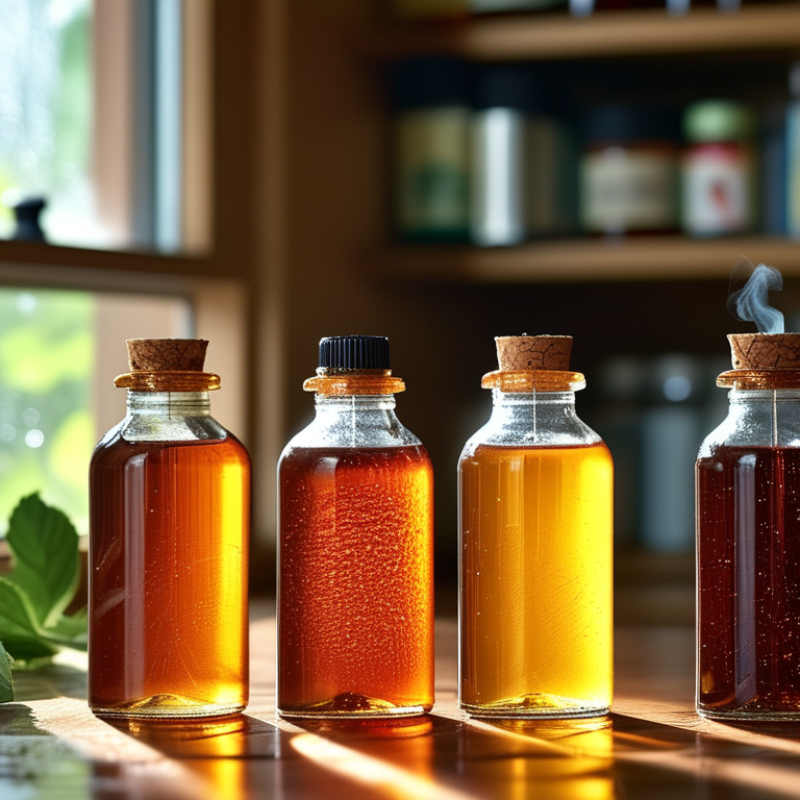
E-liquid freshness depends on temperature, light, oxygen, moisture, and time. A cool, dark cupboard usually protects the liquid better than a windowsill. Sunlight and heat can gradually affect its flavor, color, and consistency. Avoid storing bottles in cars, near radiators, or beside kitchen appliances. Even a few hot afternoons can matter.
Keep each bottle tightly closed and upright. A secure cap limits air exposure and helps prevent leaks. Store liquid in its original, clearly labeled container. Do not pour it into unmarked bottles, because identification can become difficult later. Small bottles often stay fresher because they contain less trapped air after opening. Use clean, dry hands when handling the cap and nozzle. Moisture and dust should not enter the bottle.
My own storage routine was not perfect; I once left a bottle in a warm bag and noticed a weaker flavor. That experience changed my habits. Check the liquid before use. An unusual smell, damaged seal, leakage, unexpected color change, or persistent separation deserves caution. Gentle shaking may restore normal blending, but it cannot repair spoilage. Check the product’s date guidance and follow local safety instructions. Keep all bottles away from children, pets, and direct sunlight. Freshness is also affected by how often the bottle is opened. Even careful storage cannot preserve liquid indefinitely.
A suitable e-liquid container should block light, limit air exchange, and resist leakage. Amber glass works well because it reduces ultraviolet exposure, while high-density polyethylene offers better impact resistance. Choose a tight, chemical-resistant cap with a controlled dropper or narrow opening. A wide jar is convenient, but it exposes more liquid to air during every use.
Safety design matters when nicotine is present. ISO 8317:2015 testing requires child-resistant packages to prevent opening by at least 80% of tested children, while at least 90% of adults should open them successfully. This standard is a useful benchmark, not a substitute for local packaging rules. Keep the container upright, label it clearly, and store it in a locked, cool cabinet away from sunlight, heat, food, and medicines. The U.S. Poison Centers’ annual surveillance reports continue to identify liquid nicotine exposures as a preventable household risk, especially among children.
I have found that “airtight” caps are often overtrusted. A worn seal can allow slow evaporation, darker color, and flavor changes. Check the neck for sticky residue before storage. Avoid unmarked bottles, reused food containers, and soft plastics that may absorb ingredients. A practical temperature target is a stable, cool room environment; repeated heating and cooling is more damaging than a single brief temperature change. Storage advice is not perfect, because formulas and container materials vary. When in doubt, use the original, properly sealed container and follow its safety instructions.
Top 10 Ways to Store E-Liquid and Keep It Fresh?
Heat and light can quietly change e-liquid quality. Store bottles in a cool, dark cupboard, ideally below 25°C. Avoid windowsills, cars, radiators, and kitchen shelves near ovens. Sunlight may warm the liquid and accelerate nicotine oxidation. The National Academies report on e-cigarettes identifies heat, oxygen, and light as important factors affecting liquid chemistry. A 2013 analysis in Addiction tested 20 refill liquids; only nine were within 10% of their labelled nicotine strength. Storage is not the only problem, but it matters.
Tips: Keep bottles tightly closed. Use the original light-resistant container. Store them upright to reduce leakage around the cap. A locked cupboard is safer than a refrigerator, where condensation and accidental access can create problems. Avoid freezing the liquid. If it smells sharply different, darkens noticeably, or tastes unusually harsh, do not use it. Colour alone is not perfect evidence, though. Some ingredients naturally darken over time. That is easy to overlook.
Check the storage area weekly. A cupboard beside a cool interior wall is better than a warm garage. Keep bottles away from children, pets, food, and direct sunlight. Date opened bottles with a small label. This simple habit improves rotation. Still, no home method stops ageing completely. Cooler, darker, and tightly sealed is the practical standard.
Air, moisture, and contamination can quietly change e-liquid quality. Keep each bottle tightly closed after every use. Store it upright in a cool, dark, dry cabinet. Avoid windowsills, bathrooms, and parked cars. Heat speeds chemical changes, while sunlight can affect nicotine and flavor compounds.
The United States Pharmacopeia defines controlled room temperature as 20–25°C, with limited excursions from 15–30°C. This is a useful professional storage benchmark, although e-liquid is not a prescription medicine. Do not freeze it. Condensation may introduce moisture when the bottle warms. Keep bottles away from food, cleaning chemicals, children, and pets. Use the original container whenever possible, rather than a large bottle with unnecessary air space.
Handle it with clean, dry hands. Do not touch the nozzle to surfaces, and never return unused liquid to the bottle. Wipe the cap before closing it. The National Academies’ 2018 evidence review examined more than 800 studies and reported that aerosol may contain potentially toxic substances. That finding does not prove every stored liquid becomes unsafe, but it supports careful handling. Check for leaks, unusual separation, sharp odor, or unexpected darkening. Color alone is not a reliable safety test. No routine is perfect. When doubt remains, disposal is more sensible than guessing.
Store e-liquid in a locked cabinet, not merely on a high shelf. Children can climb, and pets may knock bottles from tables.
The CDC’s Morbidity and Mortality Weekly Report recorded 2,405 e-cigarette exposure calls from September 2010 to February 2014.
Children under five represented 51.1% of those cases.
That figure deserves attention. Keep every bottle in its original container, with the cap tightly closed and the label visible. Avoid storing it near snacks, medicine, pet food, or kitchen heat.
A cool, dark cupboard is usually better than a sunny windowsill. Refrigeration is not always wise because temperature changes can cause leaks and condensation.
Use a lock that children cannot easily open. Check the cabinet after refilling, because a loose cap can create a small but serious spill. Never leave a bottle beside a charger, handbag, or bedside table.
The U.S. Food and Drug Administration warns that liquid nicotine can harm children and pets through swallowing or skin contact.
Wipe spills immediately with disposable materials, then wash your hands thoroughly. Dispose of empty containers responsibly, since residue may remain inside.
Pet safety matters too. Dogs and cats may chew bottles without warning.
The American Association of Poison Control Centers’ National Poison Data System continues to track nicotine and tobacco-product exposures, showing why household storage cannot rely on memory alone.
A high shelf feels safe. It is not a lock.
Even careful adults forget sometimes. Recheck the cabinet before leaving home.
Choose amber glass or impact-resistant high-density plastic. The container should block light, limit air exchange, and resist leakage. Use a tight, chemical-resistant cap with a narrow opening.
A narrow opening exposes less liquid to air during use. Wide jars may be convenient, but they can speed up evaporation and flavor changes. Convenience is not always safer.
Keep it inside a locked, cool, dark cabinet. A high shelf is not enough. Children can climb, and pets may knock bottles from tables.
Yes, whenever possible. The original container usually has clearer labeling and a suitable seal. Avoid unmarked bottles, reused food containers, and soft plastics.
No. A worn seal may allow slow evaporation, darker color, or flavor changes. Check the bottle neck for sticky residue before storage.
Not always. Repeated heating and cooling can cause leaks and condensation. A stable, cool room cabinet is usually more practical.
Wipe the spill immediately with disposable materials. Wash your hands thoroughly afterward. Keep children and pets away until the area is clean.
Tighten the cap and check the cabinet before leaving. Keep bottles away from food, medicine, chargers, handbags, and bedside tables. People forget sometimes.
Use a stable, cool room environment away from sunlight and heat. Do not place bottles on a sunny windowsill or near kitchen appliances. Exact needs vary by formula and container material.
Dispose of them responsibly because residue may remain inside. Do not let children or pets chew or handle empty bottles. The container may look harmless. It may not be.
To understand how to store e-liquid to keep it fresh, focus on protecting it from the main factors that cause quality changes: heat, sunlight, air, moisture, and contamination. Keep e-liquid in a clean, tightly sealed, leak-resistant container made from a suitable material, and avoid transferring it into unmarked or unsuitable bottles. Store it in a cool, dry, and dark place away from windows, heaters, kitchens, and other sources of temperature changes. Keeping the bottle upright can also help prevent leaks and reduce contact with the cap.
Always close the container immediately after use and avoid touching the opening or mixing clean liquid with old residue. Check the liquid regularly for unusual changes in color, smell, texture, or taste, and discard it if its condition seems questionable. For safety, store e-liquid out of sight and reach of children and pets, preferably in a secure locked location. Never leave bottles unattended or near food, drinks, or personal-care products.

Esaturn Vape