Top 10 Answers to What Is VG and PG in Vape Juice?

Time:2026-10-10 Author:Aria
0%

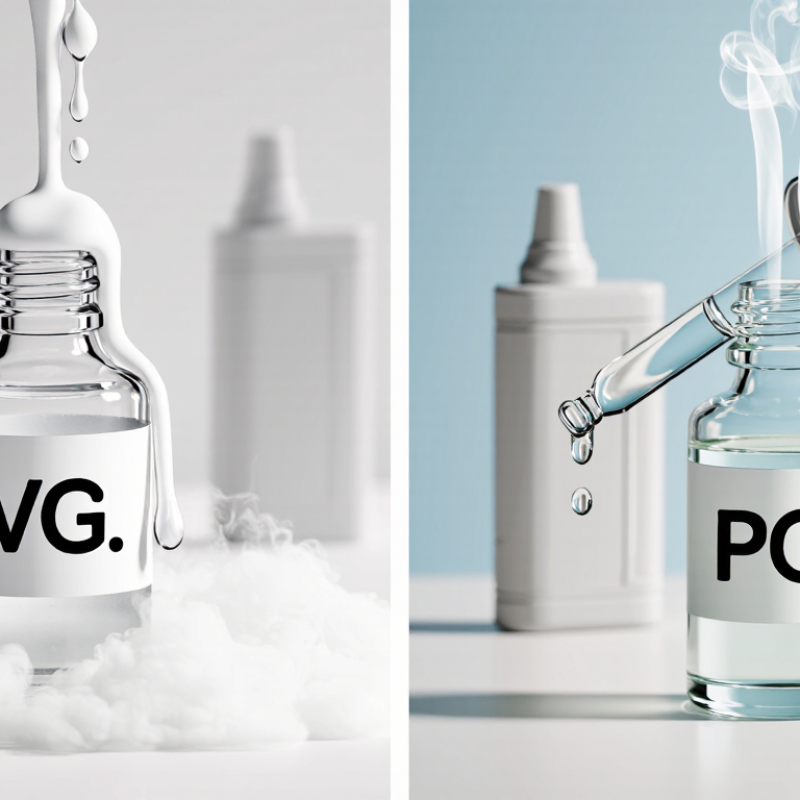
Understanding what is VG and PG in vape juice starts with two common liquid ingredients. VG means vegetable glycerin. PG means propylene glycol. Both are used as carriers for flavorings and other ingredients. VG is thicker and usually produces denser visible aerosol. PG is thinner and often carries flavor more sharply. The difference can feel obvious in a small bottle: VG pours slowly, while PG moves almost like water.

The National Academies of Sciences, Engineering, and Medicine reviewed more than 800 studies in its 2018 report, Public Health Consequences of E-Cigarettes. It found that aerosol composition can change with device settings, heating temperature, and liquid ingredients. That detail matters. A label alone cannot describe every exposure. The U.S. Centers for Disease Control and Prevention also states that e-cigarette aerosol is not harmless and may contain potentially harmful substances. The evidence is useful, but not perfectly tidy.

Dr. Konstantinos Farsalinos, a physician and tobacco-harm researcher, has said, “The aerosol generated from electronic cigarettes is not harmless, but it is likely to be significantly less harmful than cigarette smoke.” His statement does not make VG or PG risk-free. It adds necessary context. This guide examines their texture, flavor effects, aerosol behavior, possible sensitivities, and practical differences. It also separates established findings from assumptions that deserve more research. Readers should check product labels carefully and avoid unverified ingredients. For non-smokers, young people, and pregnant individuals, avoiding vaping remains the safest choice.
Top 10 Answers to What Is VG and PG in Vape Juice?

What VG and PG Mean in Vape Juice

Top 10 Answers to What Is VG and PG in Vape Juice?

VG and PG mean vegetable glycerin and propylene glycol. They are common base liquids in vape juice, often called the carrier ingredients. VG is thicker and produces larger, softer clouds. It can feel slightly sweet. PG is thinner and carries flavor more sharply. It usually creates a stronger throat sensation. Neither description is absolute. Formulas and personal sensitivity can change the experience.

A higher-VG liquid may suit users who prefer dense vapor and a smoother inhale. A higher-PG blend may provide clearer flavor and a firmer throat feel. However, thick liquid can perform poorly in unsuitable hardware. A thin blend may feel harsh in some devices. Check the device instructions, ingredient list, and local regulations before use. People with allergies or breathing concerns should seek professional medical advice. “Natural” does not automatically mean harmless.

Tips: Start with the ratio recommended for your device. Watch for leaks, dry hits, or unusual irritation. Stop using the liquid if symptoms appear. Store it securely, away from children and pets. Keep the bottle closed and follow its handling instructions. I once treated VG and PG as simple flavor choices, but that was incomplete. Device design, inhalation habits, and individual reactions matter too. Choose carefully, and avoid assuming one blend fits everyone.

Top 10 Answers to What Is VG and PG in Vape Juice?

VG and PG are the two primary base liquids used in e-liquid. Their percentages affect vapor production, flavor delivery, and throat sensation.

Vegetable glycerin (VG) is thicker and generally produces denser vapor with a smoother inhale. Propylene glycol (PG) is thinner and is commonly associated with stronger flavor delivery and more throat sensation. The chart shows standard VG/PG blend ratios expressed as percentages by volume.

How VG and PG Affect Vapor, Flavor, and Throat Hit

Top 10 Answers to What Is VG and PG in Vape Juice?

VG and PG affect vapor, flavor, and throat hit differently. Vegetable glycerin is thicker and produces fuller, softer clouds. Propylene glycol is thinner, carries flavor efficiently, and creates a sharper throat sensation. A 70/30 VG-PG blend usually feels smoother and denser than a 50/50 blend. However, the ratio is not the whole story. Device power, airflow, coil temperature, and puff duration also change aerosol output. The National Academies’ 2018 report reviewed more than 800 studies and identified liquid composition, heating conditions, and device design as important emission factors. Public Health England’s 2018 evidence review also noted that user behavior can significantly alter exposure. Charts help, but real use is messier.

Tips: Choose higher VG for thicker vapor and a gentler inhale. Choose higher PG for clearer flavor and more throat sensation. Very thick liquid may feed poorly in small devices, causing a dry or burnt taste. Lower-power devices often handle thinner blends more consistently. Still, these are practical guidelines, not guarantees. Personal sensitivity, coil condition, and inhalation style can overturn the expected result. I would change one variable at a time and record the blend, device setting, and throat feel. That small record makes testing less subjective.

The Main Differences Between VG and PG

VG and PG are the two main liquid bases in many vape juices. VG means vegetable glycerin, while PG means propylene glycol. They look similar, but they behave differently inside a device.

VG is thicker and produces denser, softer clouds. It often feels smoother in the throat. However, its heavy texture may not suit every coil or heating system. High-VG liquid can also mute delicate flavors slightly.

PG is thinner and carries flavor more sharply. It creates a more noticeable throat sensation, which some adult users prefer. It usually works better with smaller heating systems, but individual comfort can vary.

Neither base is automatically better. That assumption needs correction. A balanced ratio may feel comfortable for one person and irritating for another. People with known sensitivities should check ingredients carefully and stop using a product if coughing, chest discomfort, or unusual irritation appears. PG can feel dry for some users, while VG may cause a sticky mouth sensation. Simple hydration may help, but it is not a complete solution. Device instructions also matter, because unsuitable liquid thickness can cause poor performance or leakage. Use only legal products from reliable sources, follow local age restrictions, and remember that inhaling any aerosol is not risk-free.

How to Choose the Right VG/PG Ratio

VG and PG are the two main liquid ingredients in vape juice.

VG VG, or vegetable glycerin, is thicker and slightly sweet. It usually creates denser clouds and a smoother inhale.

PG PG, or propylene glycol, is thinner and carries flavor efficiently. It can also produce a sharper throat sensation.

Choosing the right VG/PG ratio depends on your device, comfort, and vaping habits.

A balanced 50/50 blend suits many basic devices and delivers clear flavor with moderate vapor.

Higher PG may feel stronger in the throat, but it can feel dry or irritating for some users.

Higher VG creates softer vapor and larger clouds.

However, thick liquid may not wick well in smaller devices.

Start with balance.

Check the device instructions before choosing a blend.

Small coils often work better with thinner liquid, while larger, high-power systems may handle thicker blends.

Watch for leaking, burnt taste, coughing, or throat discomfort.

These signs may reflect poor settings, unsuitable liquid, or personal sensitivity. I once assumed a smoother inhale meant a better ratio, but comfort can hide other problems. Keep notes when changing ratios. Choose products with clear ingredient labels and avoid unverified mixtures.

Vaping is not risk-free, and non-users, minors, pregnant people, and those with health conditions should avoid it. Seek medical advice if irritation continues.

Common Questions About VG and PG Safety and Use

VG and PG are common liquid bases in vape juice, but their safety is often misunderstood. VG, or vegetable glycerin, is thicker and produces denser vapor. PG, or propylene glycol, is thinner and carries flavor more sharply. PG can also create a stronger throat sensation. Neither ingredient should be treated as harmless when heated and inhaled.

A frequent question is whether VG or PG causes irritation. Some people report coughing, dry mouth, sore throats, or chest discomfort. PG may bother users with sensitivities, while high-VG liquids can feel heavy and may clog some devices. A suitable ratio depends on personal tolerance and equipment. There is no universally safe formula. “Natural” does not automatically mean safe for inhalation. Food-grade materials are not always tested for repeated inhalation.

Use only clearly labeled products from reliable suppliers, and check the ingredient list carefully. Avoid liquids with unknown additives or damaged packaging. Store them away from children, pets, heat, and direct sunlight. Do not swallow them. Wash exposed skin promptly, especially if the liquid contains nicotine. Stop using the product if breathing problems, persistent coughing, or severe dizziness appear, and seek medical advice. Never ignore chest pain. One practical mistake is increasing power to create more vapor, although overheating can produce harsh, irritating compounds. Lower settings may feel less dramatic, but they can reduce dry, burnt hits. Vaping is not risk-free, and non-users should not begin.

FAQS

What are VG and PG?

VG is thicker and slightly sweet. It usually creates denser, softer vapor. PG is thinner and carries flavor more clearly. It can create a sharper throat sensation.

How does the VG/PG ratio affect vapor?

Higher VG usually produces fuller clouds and a gentler inhale. Higher PG often creates lighter vapor with more throat sensation. A 70/30 blend may feel smoother than a 50/50 blend. The result still depends on power, airflow, coil temperature, and puff length.

Which ratio suits a basic device?

A balanced 50/50 blend often works well in smaller, lower-power devices. Thin liquid can feed through small coils more consistently. Very thick liquid may wick poorly. That can cause a dry or burnt taste.

When is higher VG useful?

Higher VG may suit users who prefer thicker vapor and a softer inhale. Larger, higher-power systems often handle it better. Watch for weak liquid flow and clogging. Bigger clouds are not automatically better.

When is higher PG useful?

Higher PG can deliver clearer flavor and a stronger throat sensation. It may suit users who prefer a sharper inhale. Some people experience dryness, coughing, or irritation. Comfort can change from one person to another.

Is any VG/PG ratio completely safe?

No formula is universally safe. VG and PG should not be treated as harmless when heated and inhaled. “Natural” ingredients may still lack inhalation safety testing. Vaping is not risk-free.

What signs suggest the liquid or settings are unsuitable?

Leaking, coughing, throat discomfort, dry mouth, and a burnt taste are warning signs. Chest discomfort or breathing problems deserve prompt medical attention. Stop using the product if severe dizziness appears. Do not simply increase power.

How can someone compare different ratios more carefully?

Change one variable at a time. Record the ratio, device setting, airflow, and throat feeling. A small notebook can reveal patterns. My first assumption might be wrong; smoother does not always mean better.

Conclusion

Understanding what is VG and PG in vape juice helps users make more informed choices about e-liquid characteristics. VG, or vegetable glycerin, is a thicker, mildly sweet liquid that generally produces denser vapor and a smoother inhale. PG, or propylene glycol, is thinner and carries flavor more clearly while creating a more noticeable throat sensation. Both ingredients can affect texture, vapor production, flavor intensity, and overall comfort.

The ideal VG/PG ratio depends on personal preference, device compatibility, and sensitivity. Higher VG blends may suit those who prefer smoother vapor, while higher PG blends can offer stronger flavor and a sharper throat hit. Beginners should consider starting with a balanced ratio and adjusting gradually. It is also important to check ingredient information, use products from reliable sources, and stop using them if irritation or discomfort occurs. People with allergies, respiratory concerns, or other health conditions should seek professional medical advice before use.

Aria

Aria

Aria is a dedicated marketing professional with a deep passion for innovative strategies and a keen understanding of our company's product offerings. With a wealth of experience in the industry, Aria excels at crafting engaging content that highlights the unique features and benefits of our......