Vaping has become a popular alternative to traditional smoking, but many users often find themselves asking, "why does vaping make me cough so much?" According to Dr. James Hart, a leading respiratory specialist, "The irritation from vape aerosols can trigger a cough reflex in sensitive individuals." This statement highlights the underlying reasons for coughing while vaping.
When inhaling vapor, users are exposed to various chemicals and flavorings. These substances can irritate the airways, leading to coughing. The experience may vary from person to person, especially for those new to vaping. Smokers transitioning to vaping may also experience a surge in coughing as their lungs react to the absence of tar and other harmful substances found in traditional cigarettes.
Moreover, many users overlook their technique and inhale too deeply or too quickly. This can exacerbate irritation and lead to an uncomfortable coughing fit. It's essential to refine one’s approach to vaping for a smoother experience. Understanding the triggers behind this common concern is crucial for anyone exploring vaping.
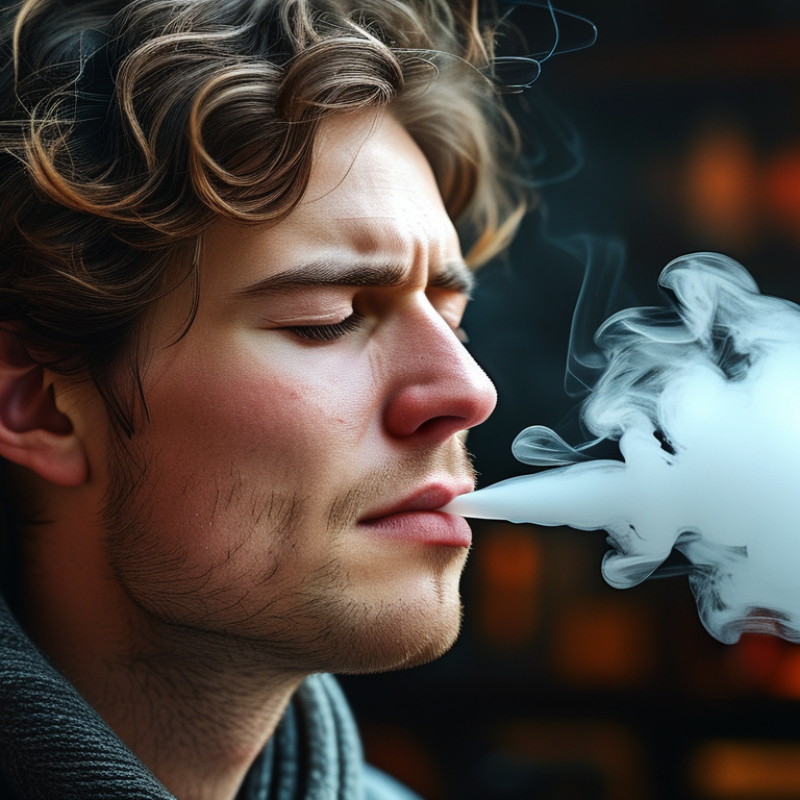
Understanding the Mechanism of Coughing Induced by Vaping
Vaping has become a popular alternative to smoking, yet many users experience persistent coughing. Understanding why this occurs involves examining the mechanisms behind it. Vaping involves inhaling vaporized liquids that often contain propylene glycol, vegetable glycerin, and flavorings. These substances can irritate the respiratory tract, triggering a cough reflex.
When vapor is inhaled, it travels deep into the lungs. The throat and airway are sensitive. Irritants can cause inflammation, leading to coughing. Research suggests that the fine particles in vapor may also stimulate the nerves in the airways. This stimulation elicits a protective response, causing the body to cough to expel the irritants.
Individual experiences can vary widely. Some users might find that certain flavors or higher nicotine concentrations trigger more intense coughing. Reflecting on these responses is crucial since persistent coughing may indicate an underlying respiratory issue. Monitoring how one's body reacts to vaping can provide insight into its effects, emphasizing the importance of being attentive to personal health while navigating this trend.
Why Does Vaping Cause So Much Coughing? - Understanding the Mechanism of Coughing Induced by Vaping
| Factor |
Description |
Impact on Coughing |
| Nicotine |
A stimulant that can irritate the throat. |
Can trigger coughing reflex due to irritation. |
| Propylene Glycol |
Common base in e-liquids that draws moisture. |
Can dry out the throat, leading to coughing. |
| Flavoring Agents |
Chemicals used to provide taste. |
Some can be irritating to the respiratory system. |
| Aerosol Particles |
Tiny particles that can be inhaled. |
May trigger the cough reflex upon entering the lungs. |
| Temperature |
Heat from the vapor can affect throat sensitivity. |
Hot vapor can irritate and lead to coughing. |
The Role of Propylene Glycol and Vegetable Glycerin in Respiratory Irritation
Vaping has become increasingly popular. However, many users report persistent coughing. A closer examination reveals that propylene glycol (PG) and vegetable glycerin (VG) play crucial roles in this respiratory irritation. According to a study published in the journal Tobacco Control, nearly 90% of e-liquids contain either PG or VG, sometimes both. These components are designed for vaporization but can lead to discomfort in some users.
Propylene glycol is known for its ability to retain moisture. Nevertheless, it can also cause throat dryness, leading to irritation and coughing. A clinical report from the American Journal of Respiratory and Critical Care Medicine states that PG can be mildly irritating to the respiratory system. Conversely, vegetable glycerin is thicker and can create denser vapor, which may exacerbate coughing in sensitive individuals. These characteristics make both components significant contributors to the discomfort experienced while vaping.
Users might find it unsettling that even perceived safe ingredients can lead to adverse effects. The blending of PG and VG is often a balancing act. Manufacturers tend to favor certain ratios for desired throat hit or vapor density. Adjusting these ratios could reduce coughing for some users but could compromise the experience. Ongoing research is essential to understand how these ingredients affect long-term health and comfort. As vaping evolves, awareness of these factors should guide users in making informed choices.
Impact of Nicotine Concentration on Cough Reflex in Vape Users
Vaping has become increasingly popular, yet many users experience coughing. The primary cause is often the nicotine concentration found in vape liquids. Higher concentrations can irritate the throat and lungs, leading to a stronger cough reflex. Research indicates that even a nicotine level as low as 6 mg can trigger coughing in susceptible users, while levels above 12 mg are likely to cause discomfort for most.
Nicotine affects respiratory function. When inhaled, it interacts with receptors in the airways. This action can lead to the narrowing of air passages, promoting coughing. According to a 2022 study, up to 70% of adult vape users reported coughing, with many attributing it directly to nicotine levels. It’s essential to understand your own body’s response to different concentrations.
If you're experiencing persistent coughing, consider reducing your nicotine intake. Lower concentrations may help minimize irritation. Staying hydrated can soothe your throat. Paying attention to the specific ingredients in your vape can also make a big difference. Users should reflect on their vaping habits to promote a healthier experience. Regular breaks between puffs allow your lungs to recover.
Comparative Analysis: Coughing in Vapers vs. Traditional Smokers
Coughing is a common symptom among both vapers and traditional smokers, but the reasons behind it can differ significantly. Research indicates that approximately 70% of traditional smokers experience a chronic cough. In contrast, vaping often leads to acute coughing, especially in new users. The inhaled vapor contains propylene glycol and vegetable glycerin, which can irritate the throat. A study found that nearly 50% of vapers reported an increase in coughing within the first months of use.
The irritants in vape liquids can cause a range of responses. Many vapers notice a dry throat or a tickling sensation, which can trigger a cough reflex. Furthermore, the temperature of the vapor may also play a role. Vaping heats the liquid, making it hot and potentially more irritating to the airways. In traditional smoking, tar and chemicals are more pronounced, often leading to a deeper, more chronic cough. While traditional smokers may develop a cough over years, vapers may experience immediate symptoms, leading to a need for caution and assessment of their habits.
Studies also reveal that 30% of vapers switch back to smoking due to persistent coughing. This highlights a significant concern in transitioning from smoking to vaping. Quality and composition of vape liquids vary, and not all products are equally safe. Users must remain aware of how their body reacts and consider these factors seriously.
Research Statistics: Prevalence of Coughing Symptoms Among Vapers
Coughing among vapers is surprisingly common. Studies show that nearly 50% of people who vape experience some form of coughing. The prevalence of these symptoms raises concerns about the long-term effects of inhaling vapor. Interestingly, many users admit they didn't expect such a reaction.
Research indicates that propylene glycol and vegetable glycerin, common ingredients in vape liquids, can irritate the throat. This irritation can lead to persistent coughing. Users often report experiencing a dry throat after vaping, which can exacerbate coughing fits. Many don't realize that switching flavors might not help, as all substances can trigger similar reactions.
Data also reveal a notable percentage of vapers are new users. Many lack proper guidance on inhalation techniques or dosage. This lack of experience can lead to overconsumption and increased coughing. As the vaping culture evolves, understanding these coughing symptoms becomes vital for both users and health professionals. Greater awareness could enhance vaping safety and user experience.
FAQS
: Many vapers cough due to irritants in vapor, like propylene glycol and vegetable glycerin. These can affect the throat.
Higher nicotine levels can irritate the throat and lungs, leading to stronger coughs. Even low levels can trigger a response.
Research shows nearly 50% of vapers experience coughing. This is a common issue among users.
Yes, flavors can irritate the throat. However, many users find that all substances can lead to similar reactions.
Consider reducing nicotine intake. Staying hydrated and taking breaks between puffs may help reduce irritation.
Yes, many new users lack knowledge of inhalation techniques. This can lead to overconsumption and increased coughing.
Persistent coughing may indicate an underlying respiratory issue. Monitoring your body's reactions is crucial for personal health.
Reflect on your habits and monitor irritations. Adjust nicotine levels and ingredients to find what works best for you.
No, individual experiences vary. Some may react more strongly due to sensitivity to specific ingredients.
Pay attention to how different flavors and nicotine levels affect you. Keeping track can help improve your health outcomes.
Conclusion
Vaping is increasingly associated with coughing, prompting many users to ask, "why does vaping make me cough so much?" This phenomenon can be attributed to several factors, including the composition of vape liquids, such as propylene glycol and vegetable glycerin, which are known to irritate the respiratory system. These substances, when heated, can trigger a cough reflex, particularly in individuals new to vaping or those who use high concentrations of nicotine.
Additionally, research reveals that the concentration of nicotine plays a crucial role in how aggressively the cough reflex is stimulated in vape users compared to traditional smokers. A comprehensive analysis of coughing prevalence indicates that a significant number of vapers experience this symptom, highlighting the need for a better understanding of how vaping affects respiratory health. Ultimately, while vaping may be perceived as a safer alternative, its potential to induce coughing raises concerns warranting further investigation and awareness.

 Esaturn Vape