Innovative designs across industrial manufacturing, vaping systems, and precision components.
Understanding the technological migration from organic fibers to high-porosity sintered ceramics.
Early atomization relied on silica fiberglass and organic cotton wicks. While efficient for high-fluidity liquids, they faced thermal degradation, uneven heat distribution, and dry-burn combustion by-products.
The introduction of solid ceramic coatings minimized the risk of direct fiber inhalation but limited e-liquid absorption due to low porosity. Heat lag was high, creating inefficiencies in power consumption.
Modern micro-channel porous ceramics with integrated thick-film metal printing. By controlling pore sizes between 10µm and 80µm, manufacturers achieve capillary pressure matched perfectly to oil viscosity.
The current landscape of electronic nicotine delivery systems (ENDS) and high-viscosity concentrate vaporizers relies heavily on porous ceramic matrices. Pore volume distributions determine the capillary transfer of liquids without leakage or dry-hit oxidation. In high-viscosity oil sectors, such as CBD and delta-9 distillates, standard cotton wicks fail rapidly. Micro-porous ceramic heating elements act as structured capillary pumps, providing consistent thermo-dynamics, reducing heavy metal leaching risks, and preserving flavor integrity under high heat stress.
From an E-E-A-T and regulatory perspective, modern ceramic formulations are engineered to eliminate silica particulate emission. Reputable manufacturers employ strict raw-material sourcing, using high-purity alpha-alumina ($\alpha\text{-Al}_2\text{O}_3$) or zirconia-stabilized structures, ensuring no ceramic dust or loose fibers contaminate the aerosol stream during typical consumer usage patterns.
Key technical criteria procurement directors evaluate when selecting a tier-1 ceramic vape coil exporter.
Procuring heating hardware is a critical supply-chain decision. Failure in the coil field leads to batch contamination, system failures, high returns, and severe brand damage. The following engineering matrix isolates the vital comparison indices for global brands evaluating factories:
| Parameter Class | Target Standard / Limit | Industrial Rationale | Evaluation Methodology |
|---|---|---|---|
| Porosity Ratio | 35% - 55% uniform dispersion | Controls the balance between liquid wicking speed and prevention of leaking/flooding. | Mercury Intrusion Porosimetry (MIP) |
| Co-fired Resistance Tolerance | ±0.05 Ω (Ohmic range) | Prevents localized power fluctuations, maintaining consistent aerosol output. | Automated 4-point Probe Resistance Scan |
| Heavy Metal Leaching Limit | ND (Not Detected below ppb limit) | Ensures zero leaching of Pb, Cd, As, or Hg under acidic e-liquid exposure. | ICP-MS (Inductively Coupled Plasma Mass Spectrometry) |
| Thermal Shock Resistance | ΔT ≥ 400°C without micro-cracking | Ensures longevity during dry burns or high-wattage power pulses. | Water quench testing and scanning electron microscopy (SEM) |
| Heating Element Bonding Strength | ≥ 15 N shear force | Prevents delamination of the co-fired metal paste from the ceramic substrate. | Mechanical Pull and Shear Strength Tester |
In addition to raw technical parameters, factories must possess ISO 9001 and ISO 13485 (medical device quality management systems) accreditations. In a market where regulatory bodies such as the US FDA (via PMTA pathways) and the European Commission (via TPD directives) inspect components down to the molecular level, buying from factories without trace-level chemical certifications is an existential risk for brand owners.
Industrial scale, advanced automation, and systematic quality assurance workflows.
Shenzhen Esaturn Vape Co., Ltd. stands as a premier manufacturer and exporter specializing in the design, research, development, production, and sales of electronic cigarettes and advanced vaping hardware. Backed by years of industrial experience, Esaturn is committed to providing high-quality vaping solutions for global customers through innovative technologies, reliable processes, and professional end-to-end B2B services.
As a modern manufacturing enterprise deeply integrated with specialized production facilities, we offer a comprehensive product portfolio including disposable vape devices, rechargeable pod systems, high-stability vape cartridges, accessories, and customized OEM/ODM options. Our engineering teams continuously pioneer new products to meet the evolving demands of the global vaping market while maintaining strict control over product performance and chemical safety.
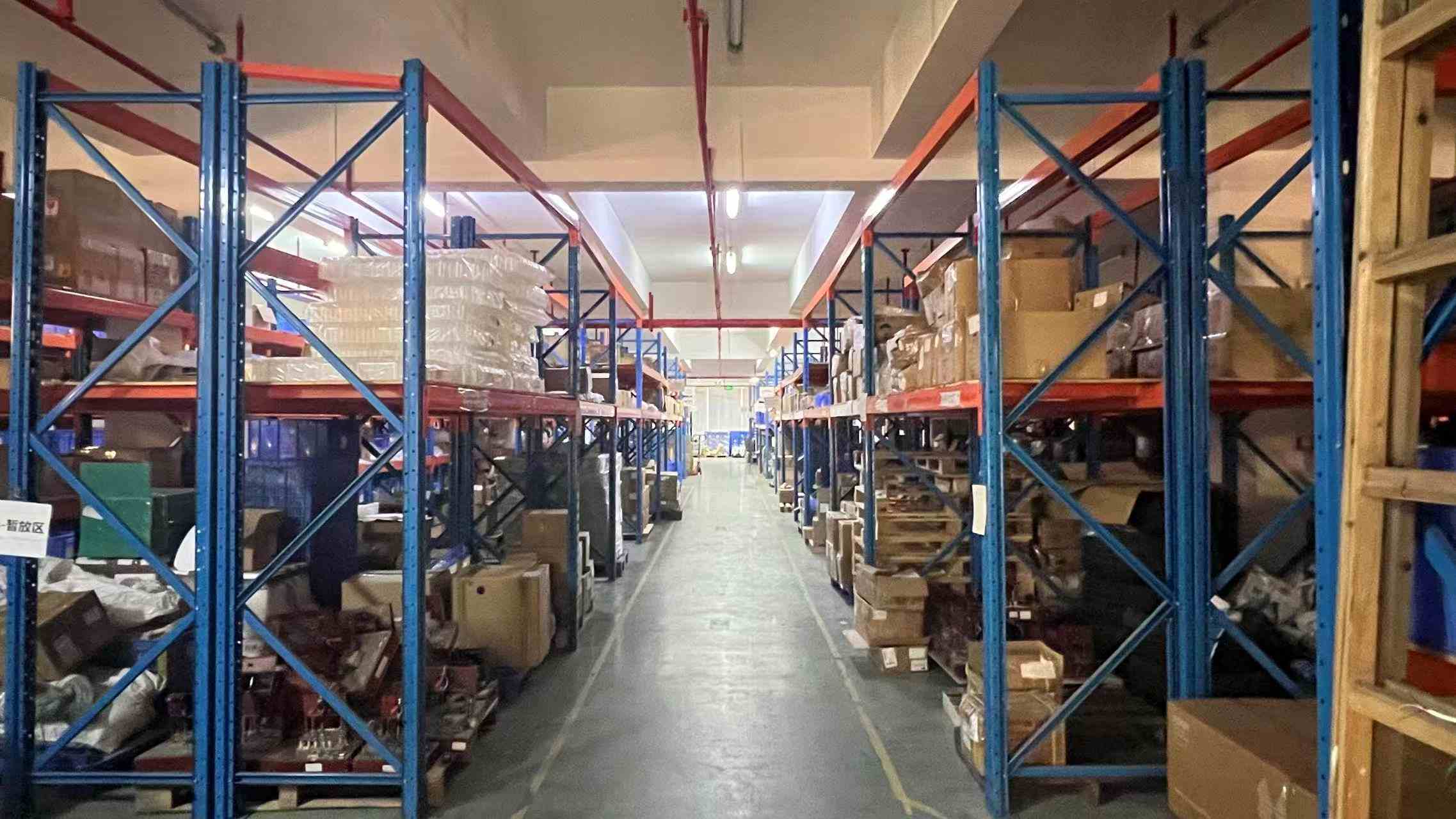
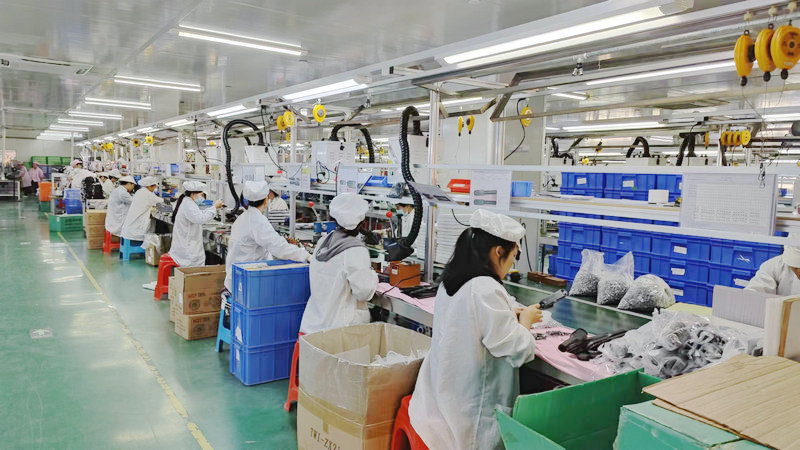
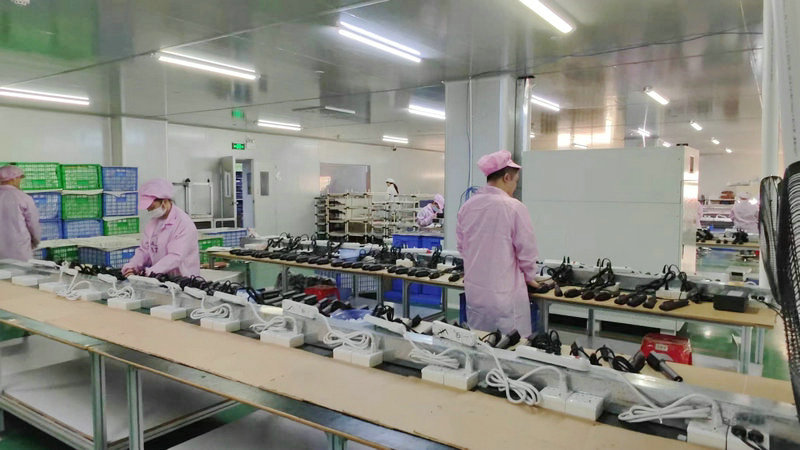
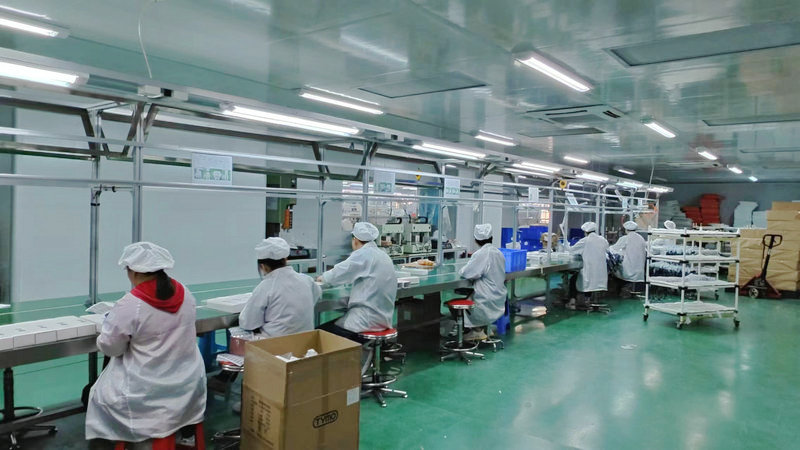
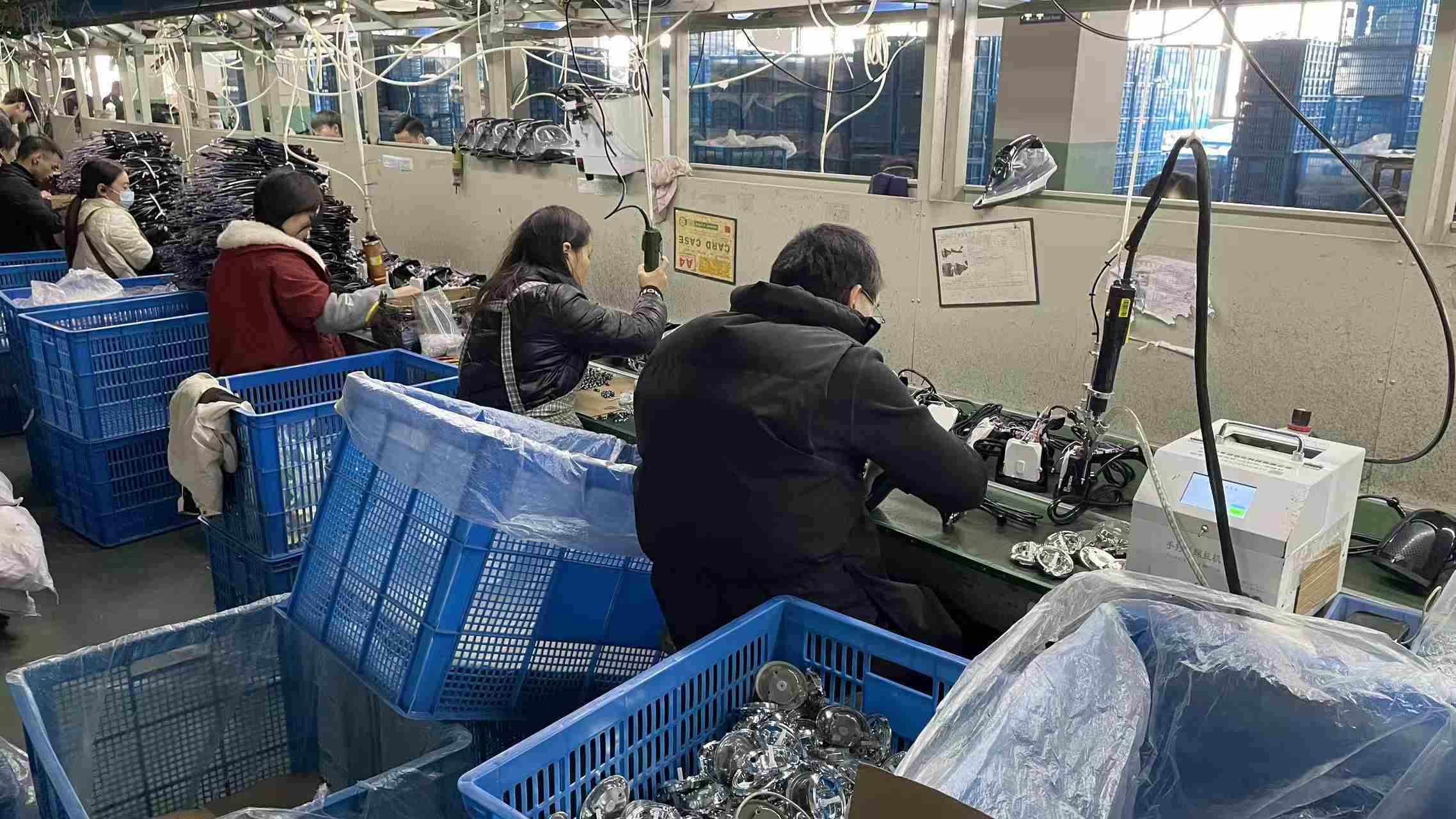
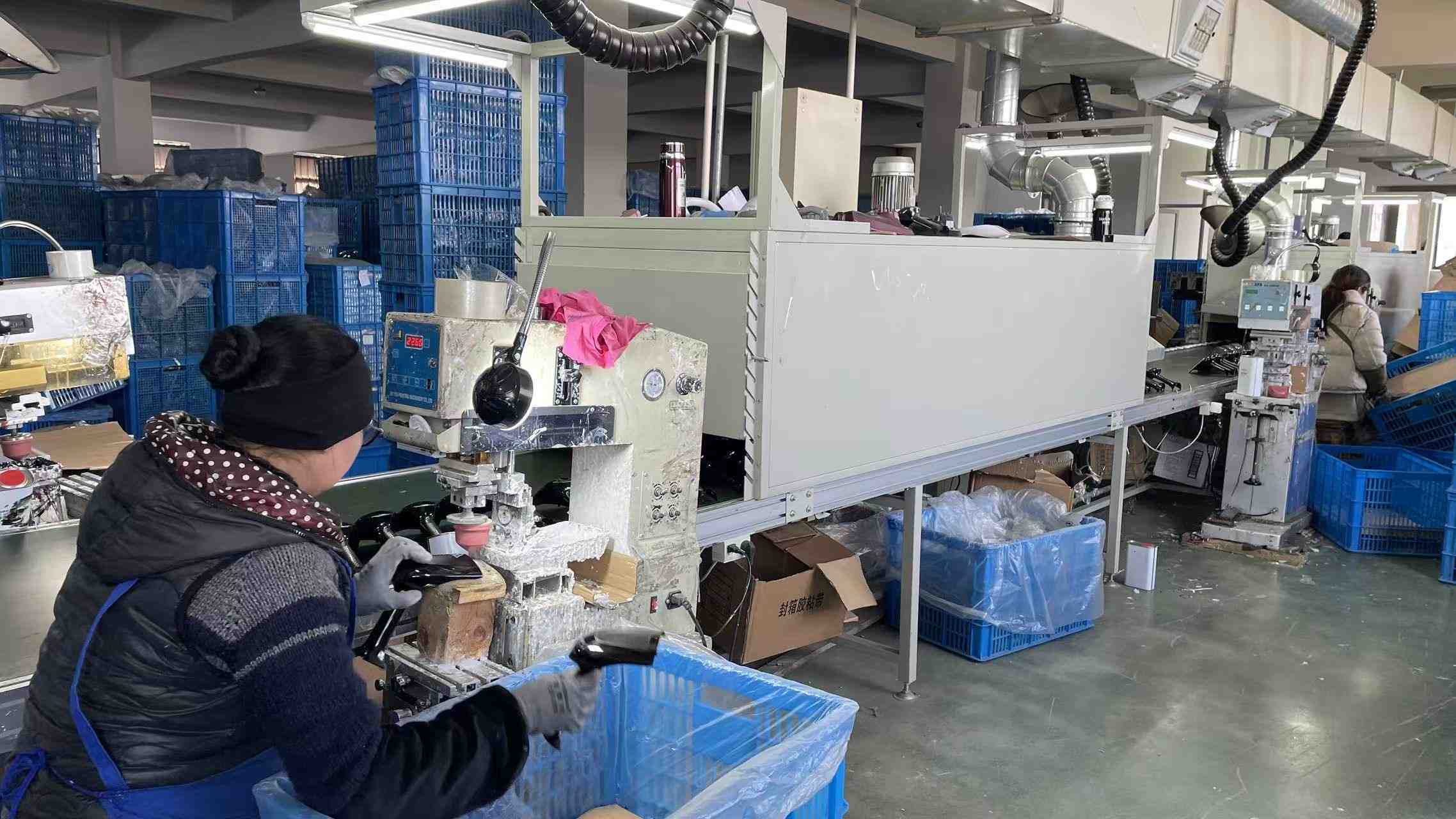
Our manufacturing plant spans over 6,000 square meters and is equipped with advanced automated production lines and modern material-testing equipment. Supported by a skilled force of over 1,000 employees, we have a daily production capacity of up to 100,000 pieces, enabling us to fulfill both large-volume contracts and custom brand orders efficiently and on schedule.
At Shenzhen Esaturn Vape Co., Ltd., we adhere to the core principles of "Customer First, Quality First, Service First." By offering competitive wholesale structures, reliable products, rapid delivery, and responsive after-sales support, we establish long-term, mutually beneficial partnerships with clients across North America, Europe, Russia, the Middle East, Southeast Asia, and beyond.
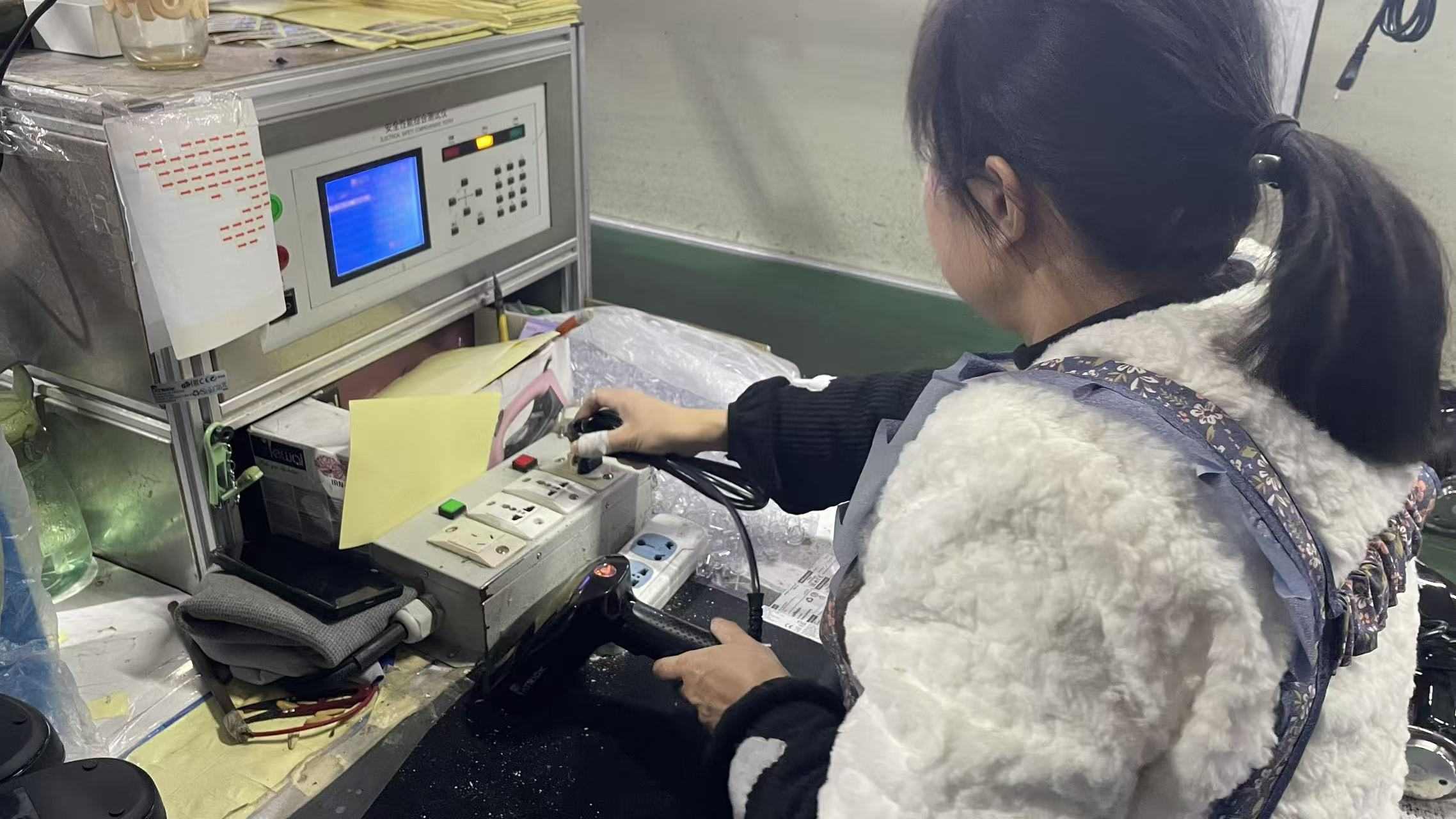
Step-by-step documentation of quality checkpoints throughout our production line.
Engineering porous ceramic elements to resolve leaking, spit-back, and dry-burning across varied e-liquids.
One of the primary engineering problems in global vape branding is aligning oil viscosity with a coil's wicking capability. High-VG (Vegetable Glycerin) e-liquids, distillate formulations, and low-viscosity nicotine salt liquids interact with ceramic capillary paths differently. Through extensive materials research, our engineering department has developed specialized macro-solutions categorized by fluid dynamics:
For oils exceeding 100,000 cPs (such as CBD distillates), we employ custom ceramic formulations with a 50% - 55% porosity ratio and average pore sizes of 40µm to 60µm. This facilitates rapid capillary pressure, preventing localized dry hotspots and minimizing heavy metal migration.
For standard freebase and nicotine salt liquids (e.g., 50/50 VG/PG blends), we provide a 40% - 45% porosity ceramic matrix. This structure balances wicking rate with surface tension, preventing liquid from bypassing the barrier and spilling into the airflow tube.
For thin formulations and medical-delivery aerosols, we implement a micro-pore structure (< 15µm pore size) with highly densified outer boundaries. This prevents leakage under changing atmospheric pressures (e.g., during transit or air cargo flights).
Through thermal simulation testing, we ensure that our co-fired heating tracks distributes thermal energy evenly across the ceramic face. Traditional wire coils create localized temperature spikes up to 400°C, which breaks down the e-liquid chemistry, producing formaldehyde, acrolein, and other toxic carbon degradation compounds. Ceramic substrates distribute this thermal energy, maintaining peak temperatures within a controlled range of 220°C to 260°C. This guarantees clean atomization and preserves terpene and flavor profiles.
Navigating FDA, TPD, PMTA, CE, and RoHS testing frameworks for international distribution.
Global regulatory bodies have increased the rigor of their quality requirements for atomizing hardware. E-cigarettes are no longer evaluated solely as consumer electronics; they are subjected to pharmaceutical-grade emissions testing. Esaturn Vape works alongside third-party compliance agencies to certify that our ceramic components meet global health requirements.
Under heavy metal testing protocols (using ICP-MS), the aerosol generated by our ceramic heating systems is free from detectable levels of Lead (Pb), Cadmium (Cd), Arsenic (As), and Mercury (Hg). Our factory operates under strict cleanroom conditions to prevent ambient lead dust contamination.
Every structural component—including solder joints, lead wires, outer shells, and ceramic bases—fully complies with the Restriction of Hazardous Substances (RoHS) Directive. We use lead-free silver paste and food-grade silicone seals exclusively.
We supply our global brand partners with comprehensive technical data sheets (TDS), material safety data sheets (MSDS), and emission test reports. This supports successful submittals under Europe's TPD and the US FDA's PMTA processes.
A look at the future of ceramic material sciences and intelligent hardware design.
Our research and development laboratories are focused on advancing atomization technology. We are currently working on several key technological developments:
By using laser etching on the surface of sintered ceramic cores, we can direct oil flow along designed micro-channels. This raises vaporization efficiency by up to 25% while lowering energy usage.
We are co-firing advanced nickel-iron (NiFe) and tungsten alloys directly onto ceramic blocks. These alloys offer precise temperature measurement in real-time, allowing the device to monitor temperatures and prevent dry hits.
We are researching the integration of bio-derived pore-forming agents in our raw slurry. This ensures that the finished, sintered ceramic has zero trace organic residues, preserving material purity.
Expert answers to critical manufacturing, chemical engineering, and procurement questions.
Explore more industrial offerings and high-performance vaping components.
 Esaturn Vape