

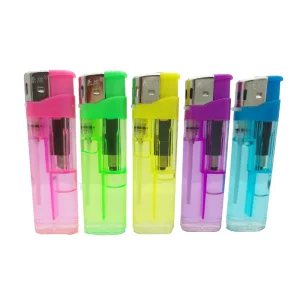

The global electronic nicotine delivery systems (ENDS) market is undergoing a seismic paradigm shift, fundamentally driven by rapid technological maturation and stringent ecological mandates. Once dominated by single-use, non-rechargeable cells that contributed significantly to e-waste, the contemporary industry is transitioning heavily toward sustainable, high-cycle rechargeable systems. Key commercial centers across North America, the European Union, and East Asia are enforcing rigorous mandates aimed at minimizing post-consumer battery waste, thereby accelerating the adoption of premium integrated lithium-ion cells charged via modern universal protocols.
Commercial Catalyst: The transition from low-capacity micro-USB configurations to High-Current Type-C and custom-engineered magnetic docking arrays has shortened average consumer charge times by over 60%, while enabling brand owners to offer capacities exceeding 40,000 puffs using advanced energy-management chipsets.
From an industrial perspective, manufacturers and exporters of charging modules are no longer simple assembly houses. They have become advanced engineering hubs operating class 100,000 cleanrooms and clean manufacturing centers, integrating complex Power Management Integrated Circuits (PMICs), Buck-Boost regulators, and advanced safety circuits directly into the structural PCB footprint of vaping devices.
To capture market share in highly regulated territories such as the United States, Europe, and the Middle East, manufacturers must navigate a dense network of international electrotechnical and safety standards. Products utilizing rechargeable lithium-ion cells require certification to mitigate thermal runaway hazards, design flaws, and sub-standard performance cycles.
In North America, the Food and Drug Administration (FDA) through Premarket Tobacco Product Applications (PMTA) mandates exhaustive compliance metrics, aligning directly with UL 8139 (Standard for Electrical Systems of Electronic Cigarettes and Vaping Devices). In the European Union, the Tobacco Products Directive (TPD) paired with CE, RoHS, and WEEE directives restricts chemical composition and regulates recycling and electrical waste management.
| Regulatory Standard | Geographic Authority | Primary Technical Focus | Core Compliance Requirements |
|---|---|---|---|
| UL 8139 | North America (US / Canada) | Electrical & Battery System Safety | Evaluates the safety of the battery, charger, and control circuitry under operational, charging, and fault conditions. |
| TPD (Article 20) | European Union (EU) | Product Design, Safety, & E-liquid limits | Mandatory child-resistant, tamper-proof mechanisms, and detailed emissions reporting. |
| IEC 62133-2 | Global / Harmonized | Lithium Battery Cells & Packs safety | Examines cells under extreme temperature, mechanical shock, vibration, and external short circuit stresses. |
| UN 38.3 | Global Logistics / Transport | Transport Testing for Lithium Batteries | Ensures lithium-ion packs can safely undergo simulated altitude, thermal, vibration, and impact stresses during shipping. |
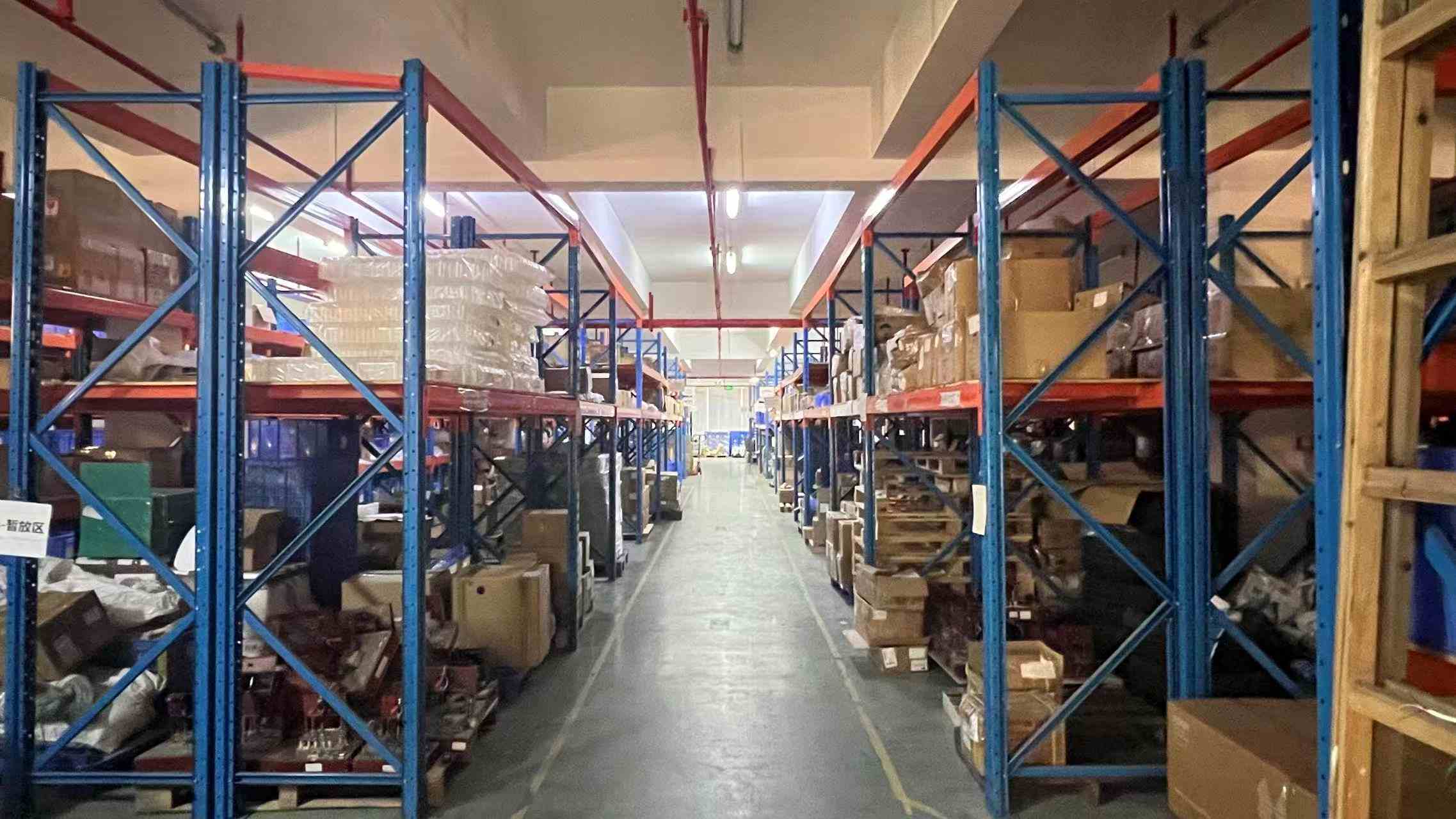
As a prime representative of China's advanced manufacturing corridor in Shenzhen, Shenzhen Esaturn Vape Co., Ltd. exemplifies how technical specialization and manufacturing scale combine to serve global markets. Operating a production facility of over 6,000 square meters, the company integrates advanced automated production lines with high-throughput testing systems to achieve a daily output of 100,000 pieces.
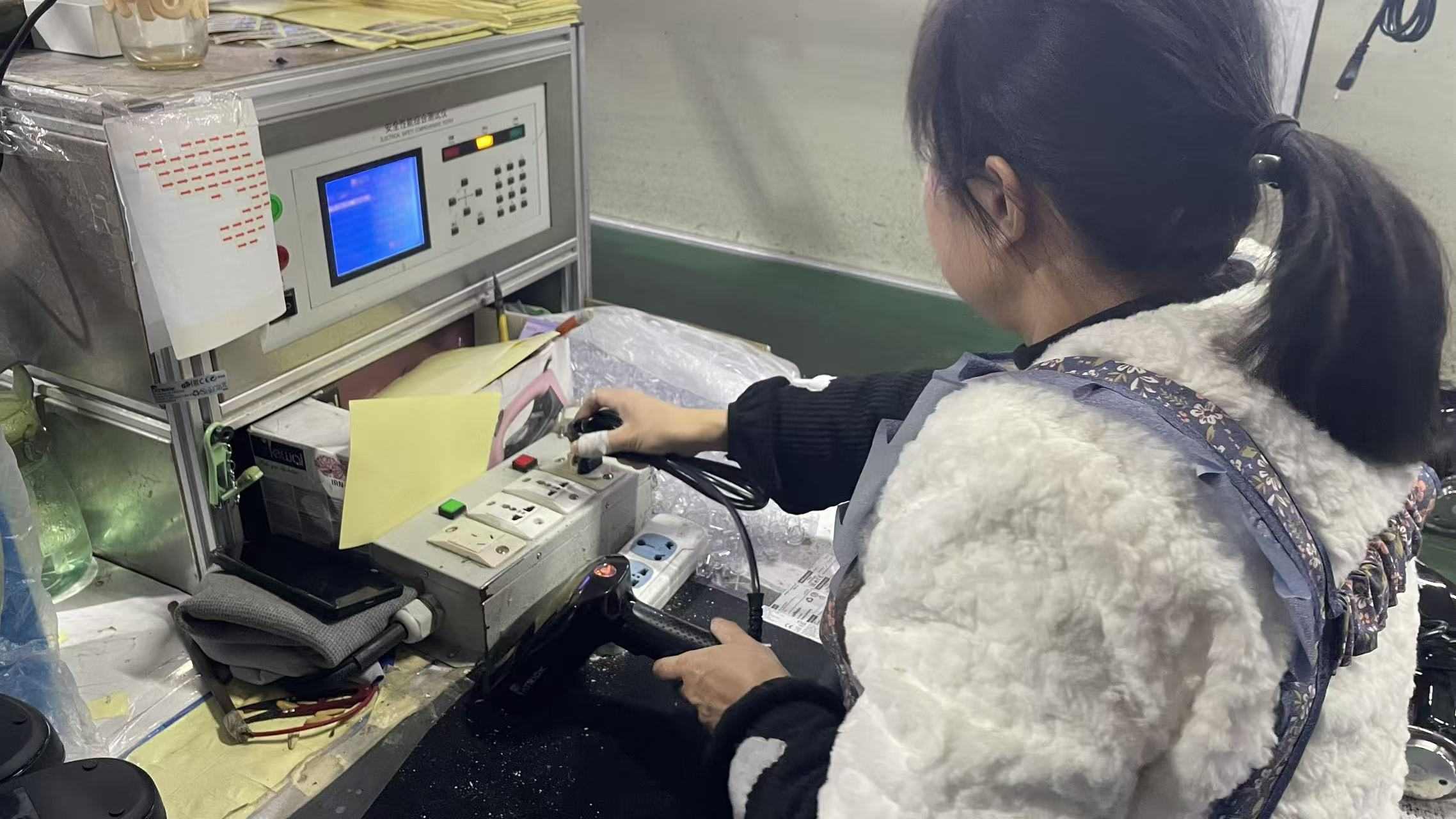
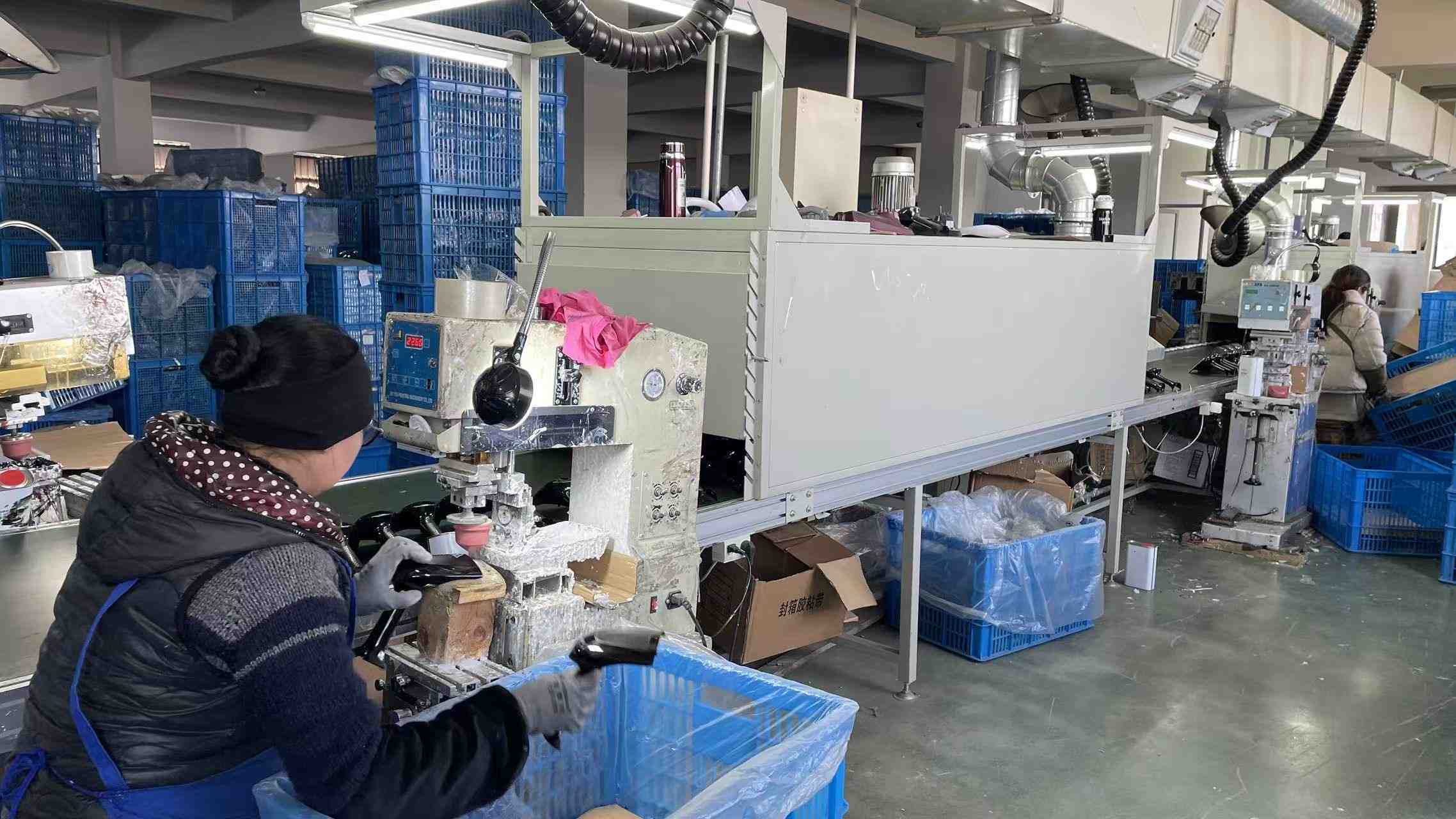
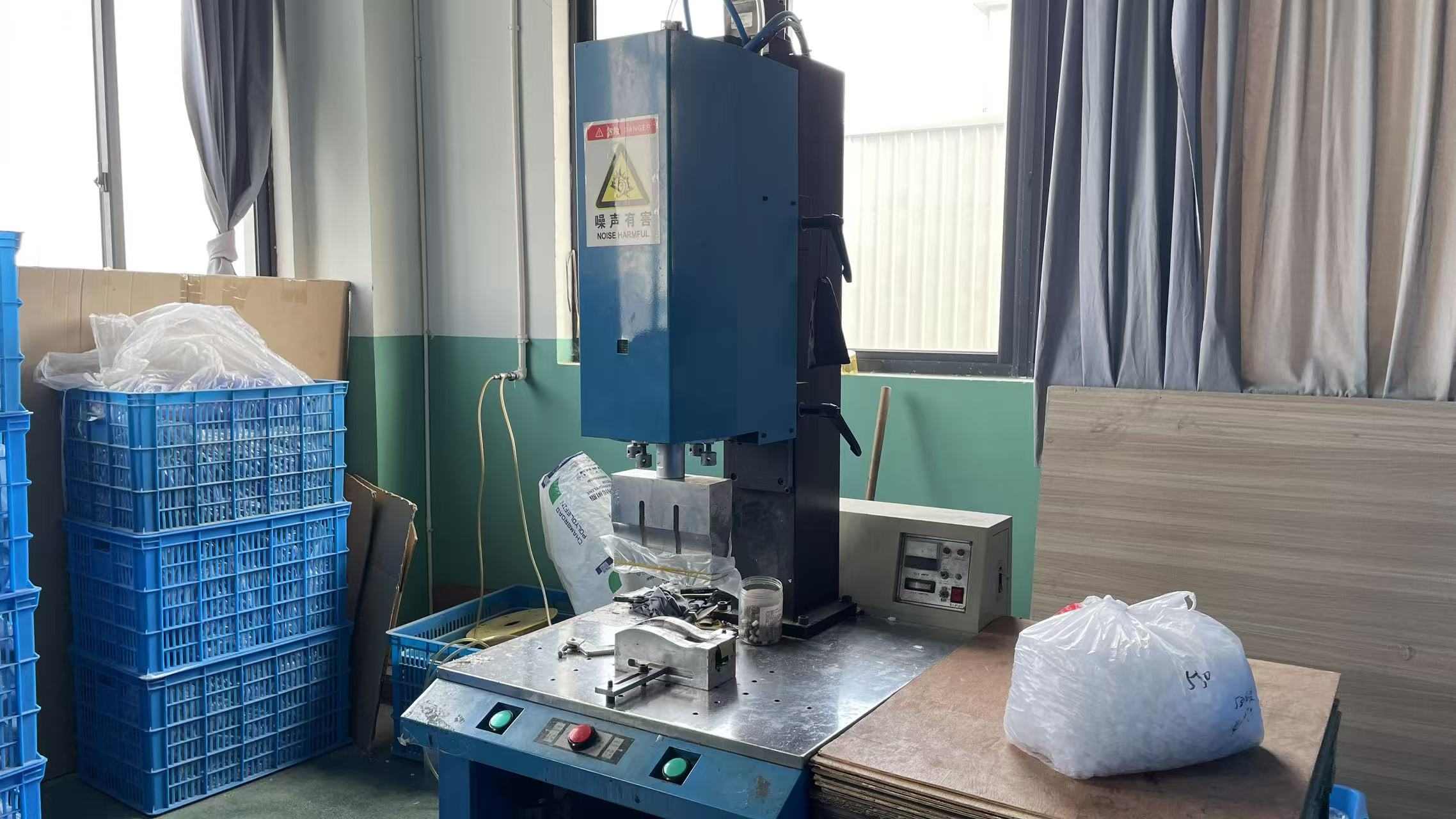
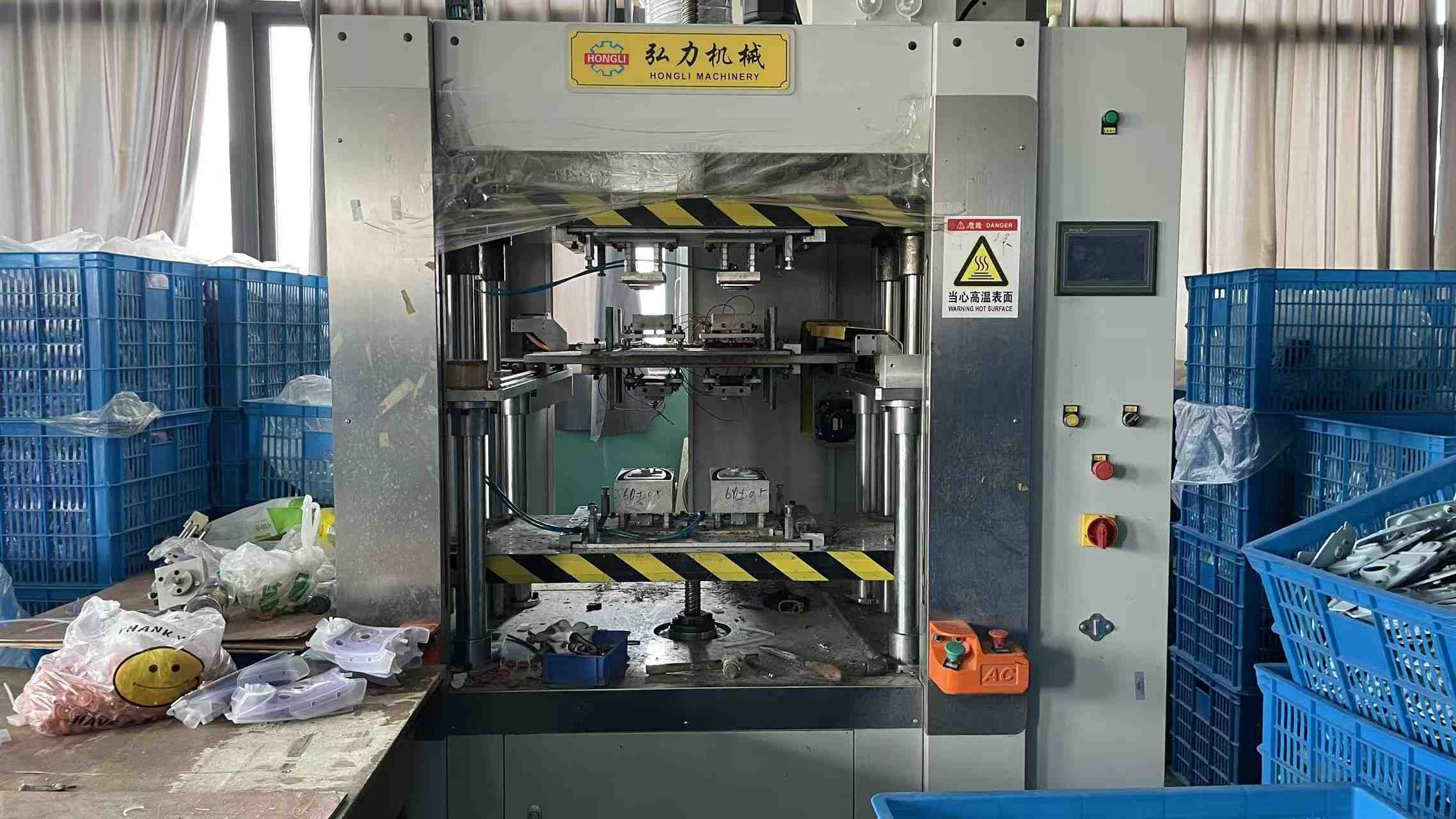
By employing more than 1,000 skilled workers and maintaining a dedicated engineering department, Esaturn bridges the gap between customer design concepts and large-scale manufacturing. Their workflow spans advanced materials procurement, high-precision structural assembly, ultrasonic welding, computerized functional testing, and standardized packaging.

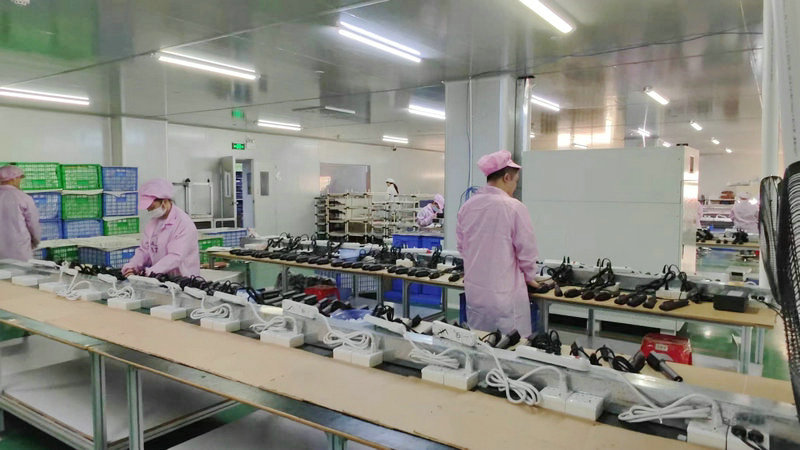

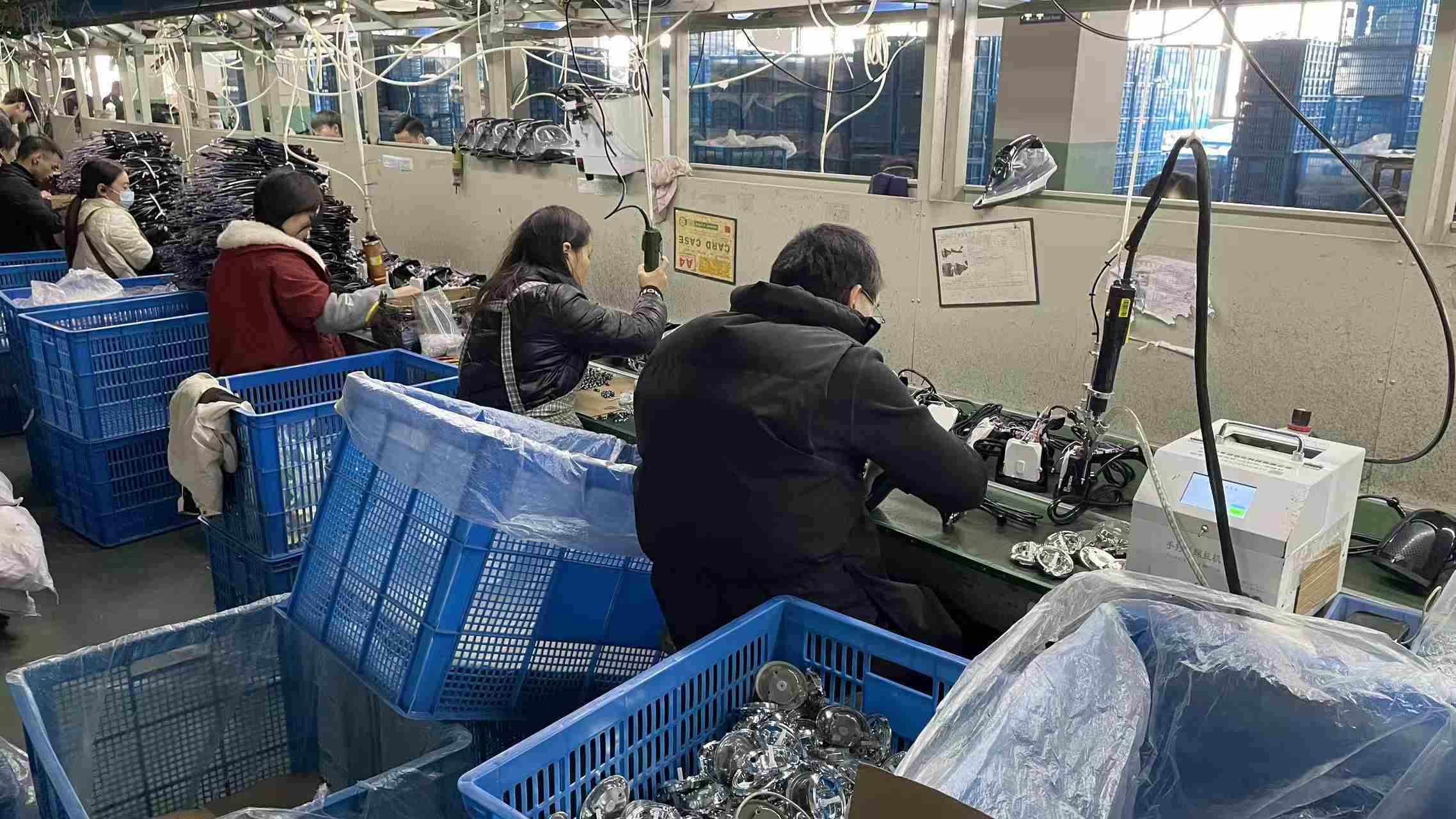
Within their production environment, specific automated machines are deployed to secure structural integrity and safety. Below is a closer look at their specialized equipment, which handles critical assembly steps like ultrasonic casing fusion, electronic marking, and automated hot-melt welding.
Modern electronic vaporizers require sophisticated hardware architectures to balance power consumption, charge speed, and overall thermal efficiency. The industry roadmap has transitioned from simple analog MOSFET layouts to microprogrammable Power Management Units (PMUs). The timeline below outlines the key technological milestones that have redefined how modern vaping hardware handles power delivery.
Simple linear charging pathways utilizing discrete overcharge protection switches. Charging cycles ranged from 120 to 180 minutes with high thermal losses and physical wear on connectors.
Introduction of CC pin detection logic, over-voltage protection (OVP), over-current protection (OCP), and under-voltage lockout (UVLO). Reduced charging time to under 45 minutes.
Integration of multi-coil power management, dynamic load balancing, real-time battery status monitoring, and temperature regulation. Boost converters maintain consistent vapor output even as battery voltage drops.
Removable battery cores paired with universal USB Type-C connections. Promotes modular component recycling and complies with strict European Union eco-design mandates.
For high-volume distributors, importing vaping products involves managing complex supply chain dynamics, quality assurance protocols, and strict customs compliance. Establishing partnerships with vertically integrated manufacturers who control everything from raw materials to final functional testing helps reduce market entry friction.
 Esaturn Vape