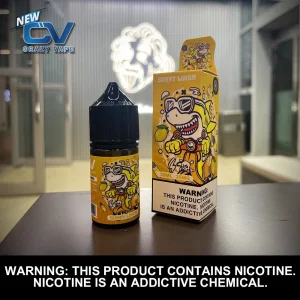
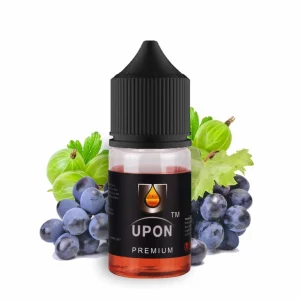
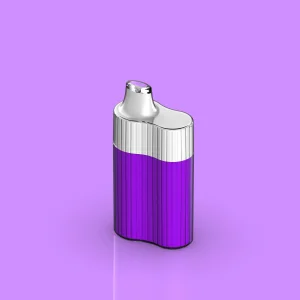
High-performance nicotine salt solutions calibrated specifically to meet East African consumer flavor profiles, regional compliance limits, and hardware vaporization characteristics.
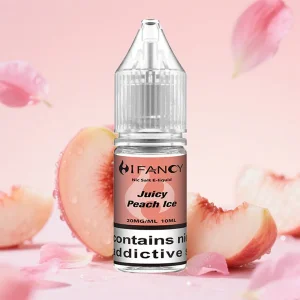
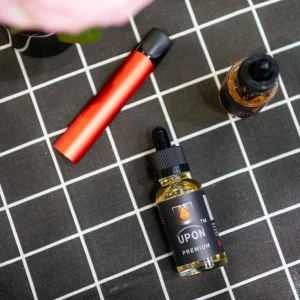
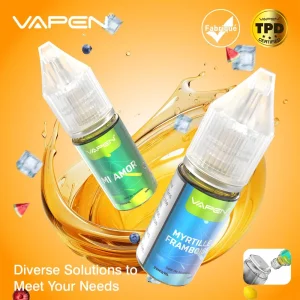
East Africa's premier economic hub is undergoing a rapid demographic shift. Driven by urbanization in Nairobi, Mombasa, and Kisumu, the demand for reduced-risk alternatives is surging.
For chemical importers, local manufacturers, and brand owners in Kenya, procuring raw nicotine salts or pre-blended e-liquids requires navigating a changing regulatory framework. Traditionally, the market relied on imported finished disposable vapes. However, modern business models are shifting toward localized brand ownership, requiring bulk imports of USP/EP grade nicotine salt formulations.
Our market research reveals that the Kenyan consumer shows a strong preference for localized flavor profiles—specifically combining high-coolant mints, tropical citrus blends like lime and ginger, and classic Virginia tobacco notes. As the Kenya Revenue Authority (KRA) and the Kenya Bureau of Standards (KEBS) establish specific standards for e-cigarettes and vaping liquids, importing from established global manufacturers who offer full batch transparency has become the primary risk-mitigation strategy for businesses.
The core advantage of Nicotine Salts (Nic Salts) over traditional freebase nicotine is their neutral pH level, achieved by adding specific organic acids. This process transforms raw nicotine into a protonated state. The result is a smoother throat hit at higher concentrations (such as 20mg/ml to 50mg/ml) and faster absorption into the bloodstream, mimicking the pharmacokinetics of standard tobacco products.
In our advanced manufacturing facility at Shenzhen Esaturn Vape Co., Ltd., we utilize high-precision chemical balancing to ensure stability and compatibility with device heating coils. The selection of the acid directly affects both the vapor flavor profile and the physical lifecycle of the coil atomizer:
| Nicotine Salt Form | Acid Component | pH Value | Vaporization Temp | Throat Hit Characteristic | Coil Lifespan Impact |
|---|---|---|---|---|---|
| Nicotine Benzoate | Benzoic Acid | 5.5 – 6.0 | 145°C | Very smooth, rapid physiological response | Minimal residue accumulation |
| Nicotine Salicylate | Salicylic Acid | 4.8 – 5.4 | 155°C | Subtle throat hit, clean flavor delivery | Low residue formation |
| Nicotine Malate | Malic Acid | 4.2 – 4.7 | 165°C | Sharp throat hit, ideal for tobacco profiles | Moderate residue build-up |
| Nicotine Tartrate | Tartaric Acid | 3.8 – 4.5 | 170°C | Aggressive throat hit, matches traditional cigs | Higher residue potential |
To prevent oxidation and discoloration during transit through tropical climates (such as shipping to Mombasa), Esaturn Vape applies nitrogen-flushed packaging systems and incorporates UV-resistant stabilizers. This guarantees a stable, 24-month shelf life for bulk formulations.
Under our strict quality control framework, every production stage—from testing raw materials to final vacuum sealing—takes place in ISO-certified cleanroom environments.
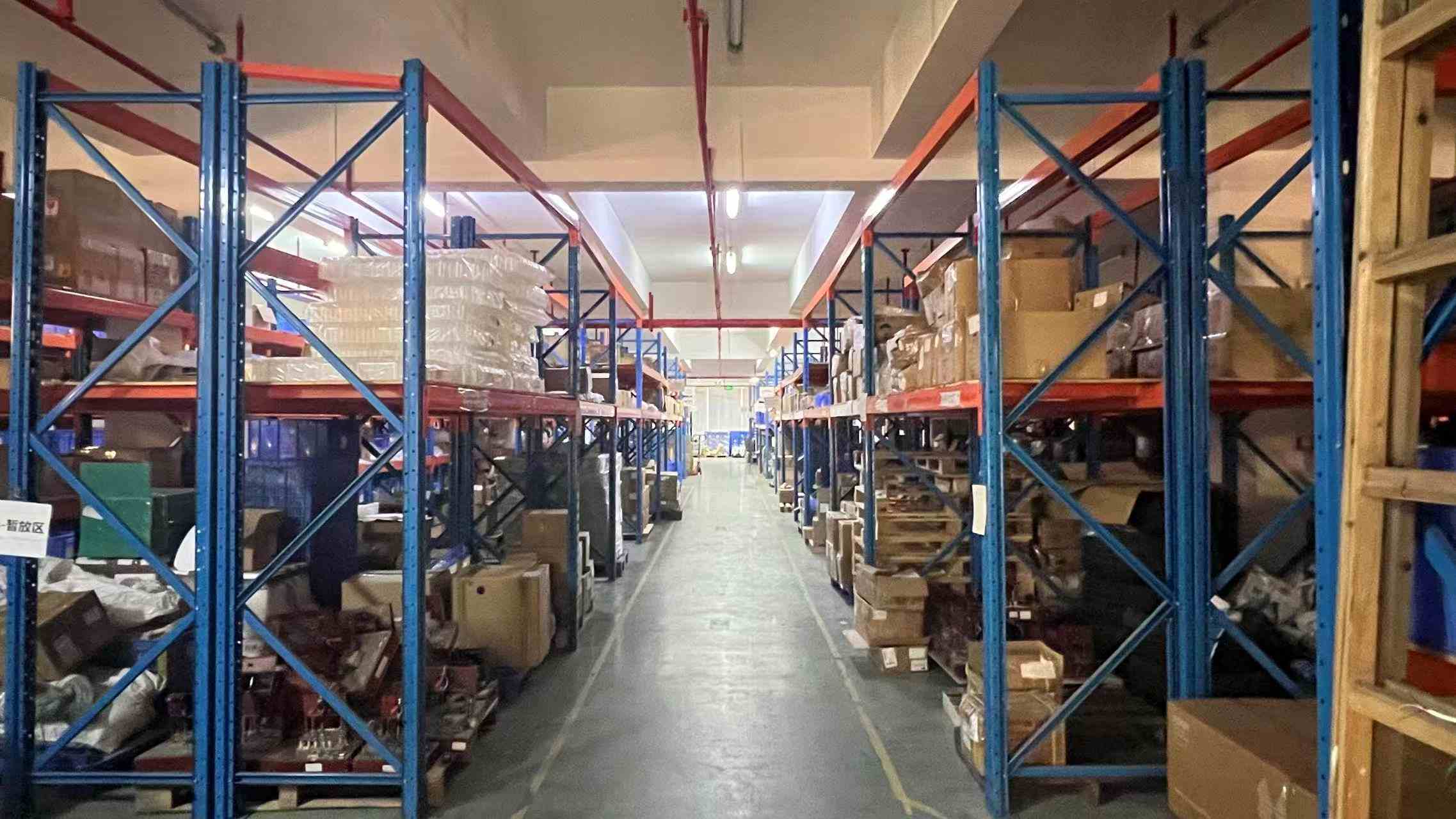

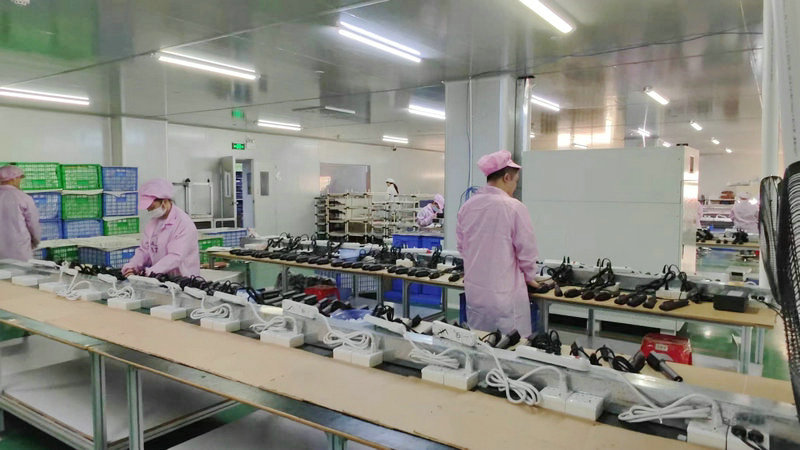
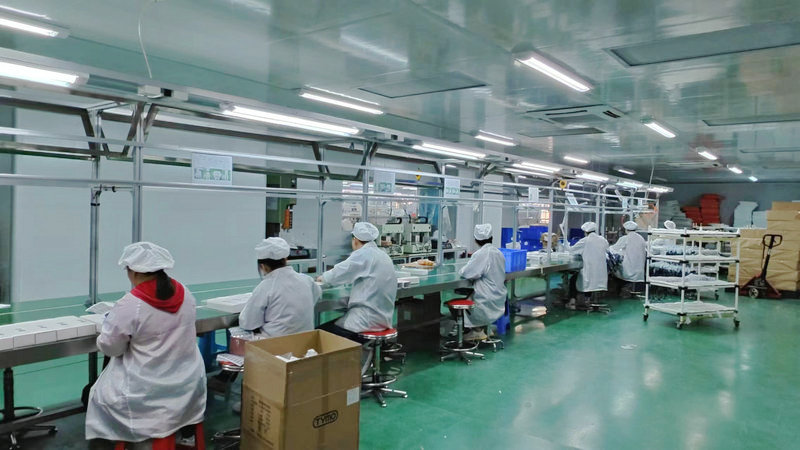
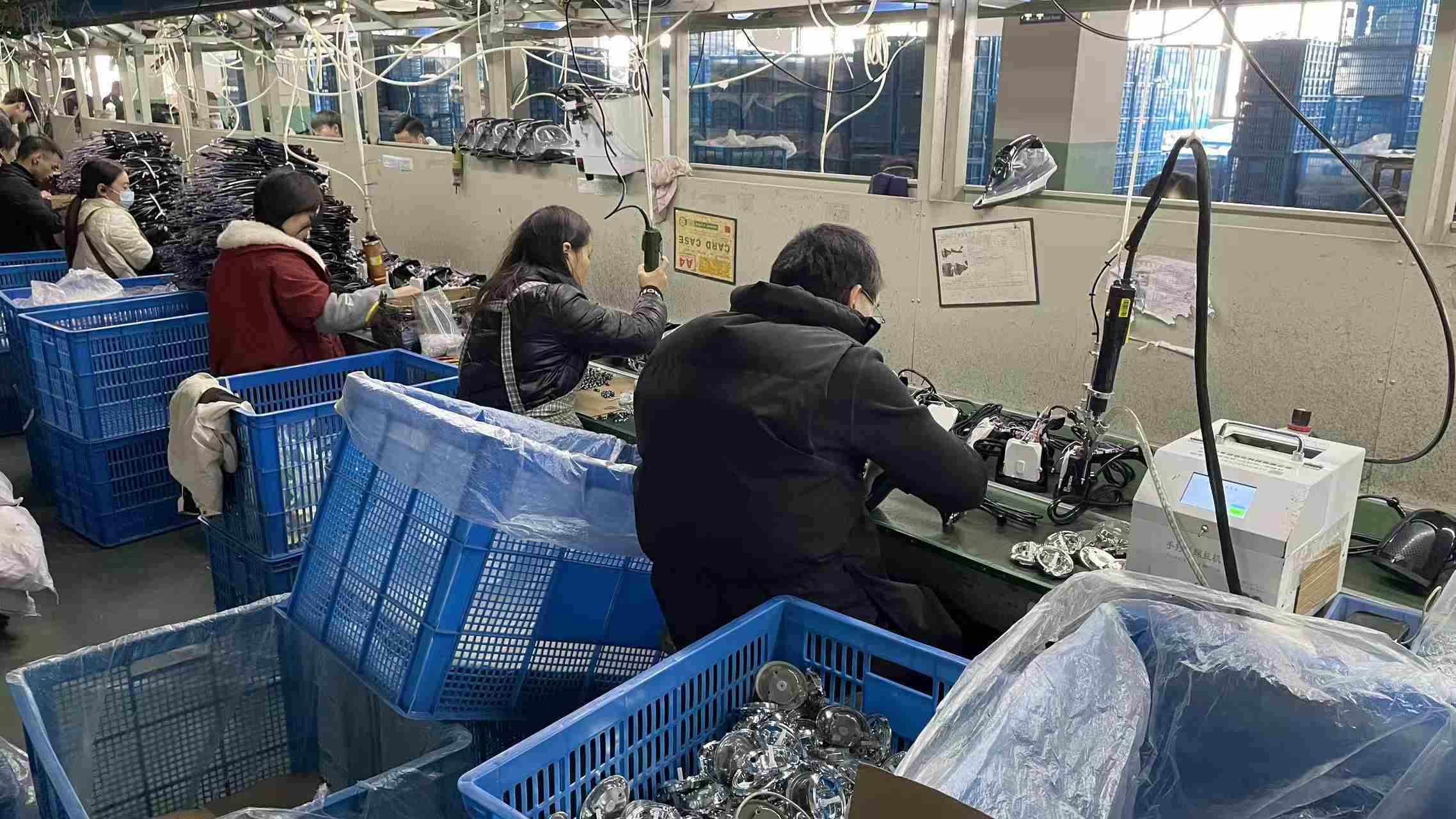
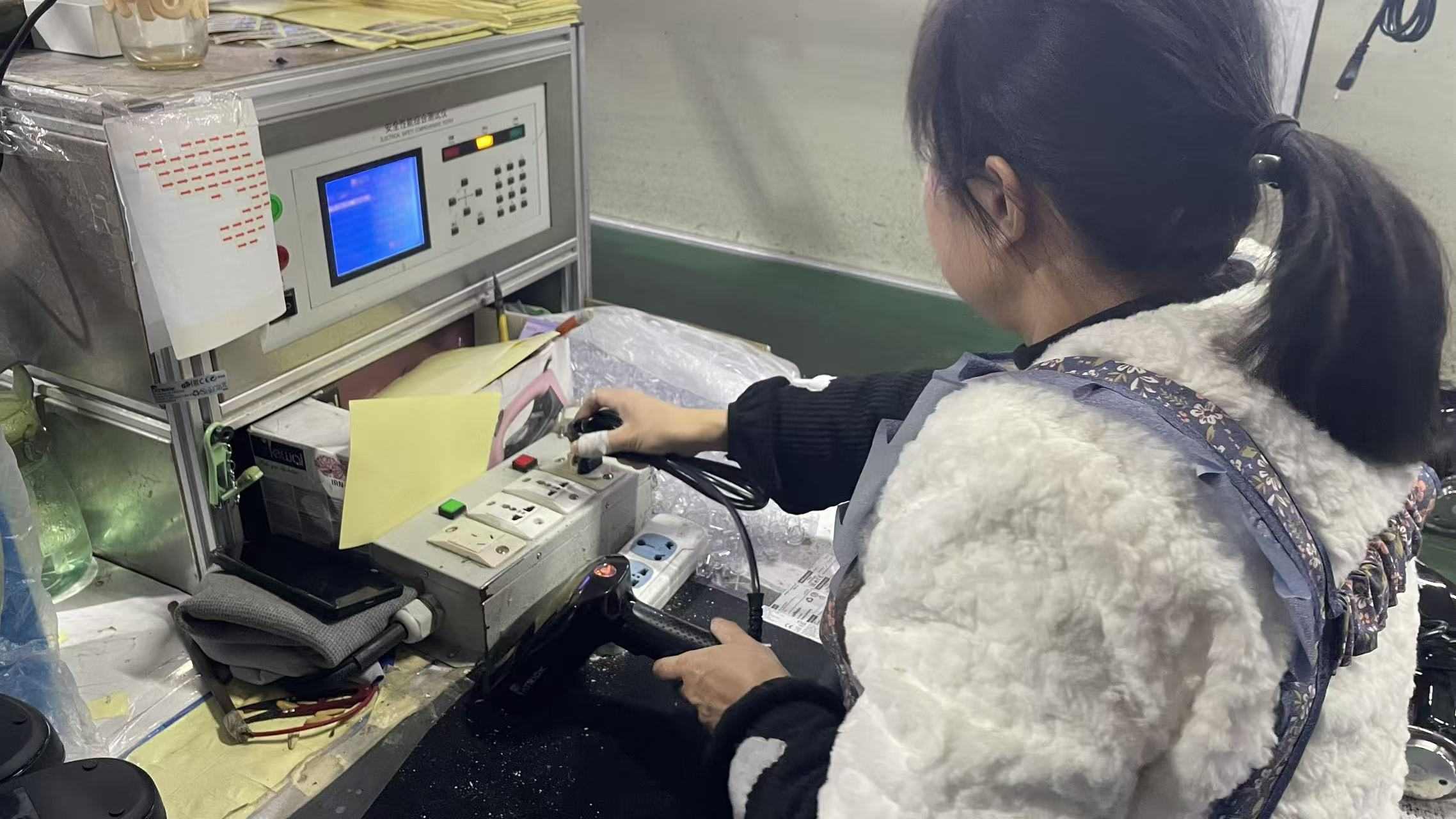
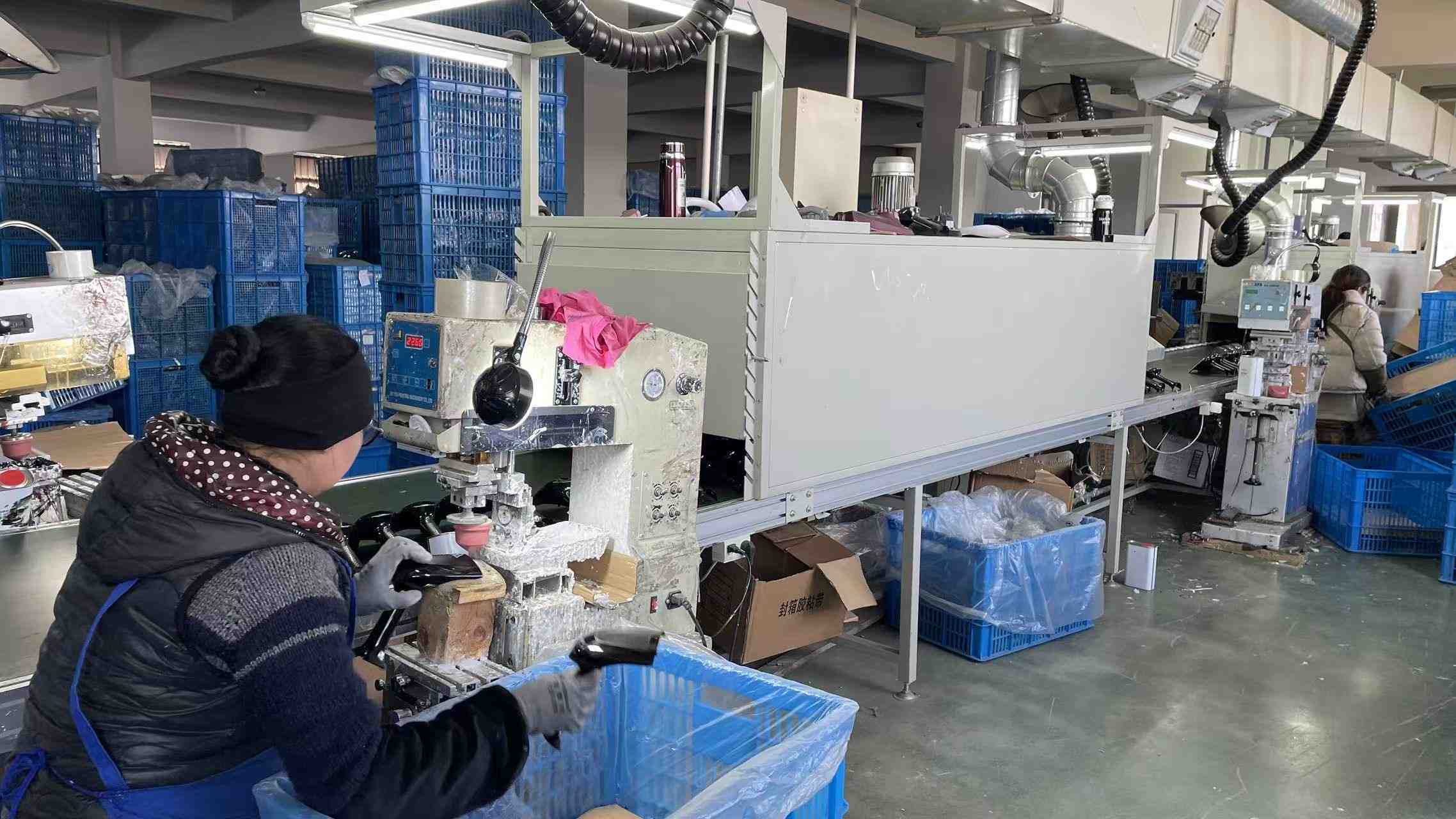
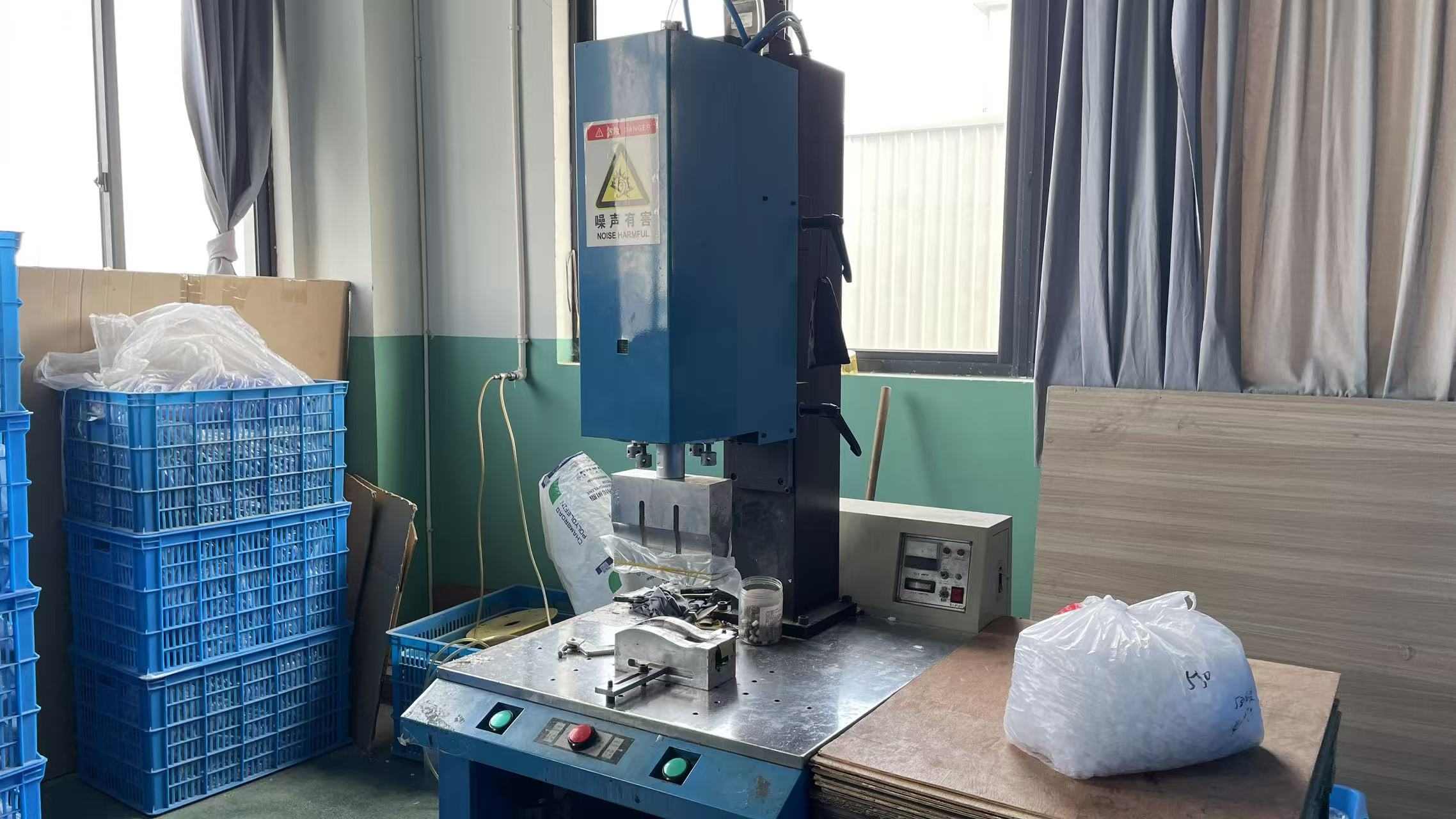
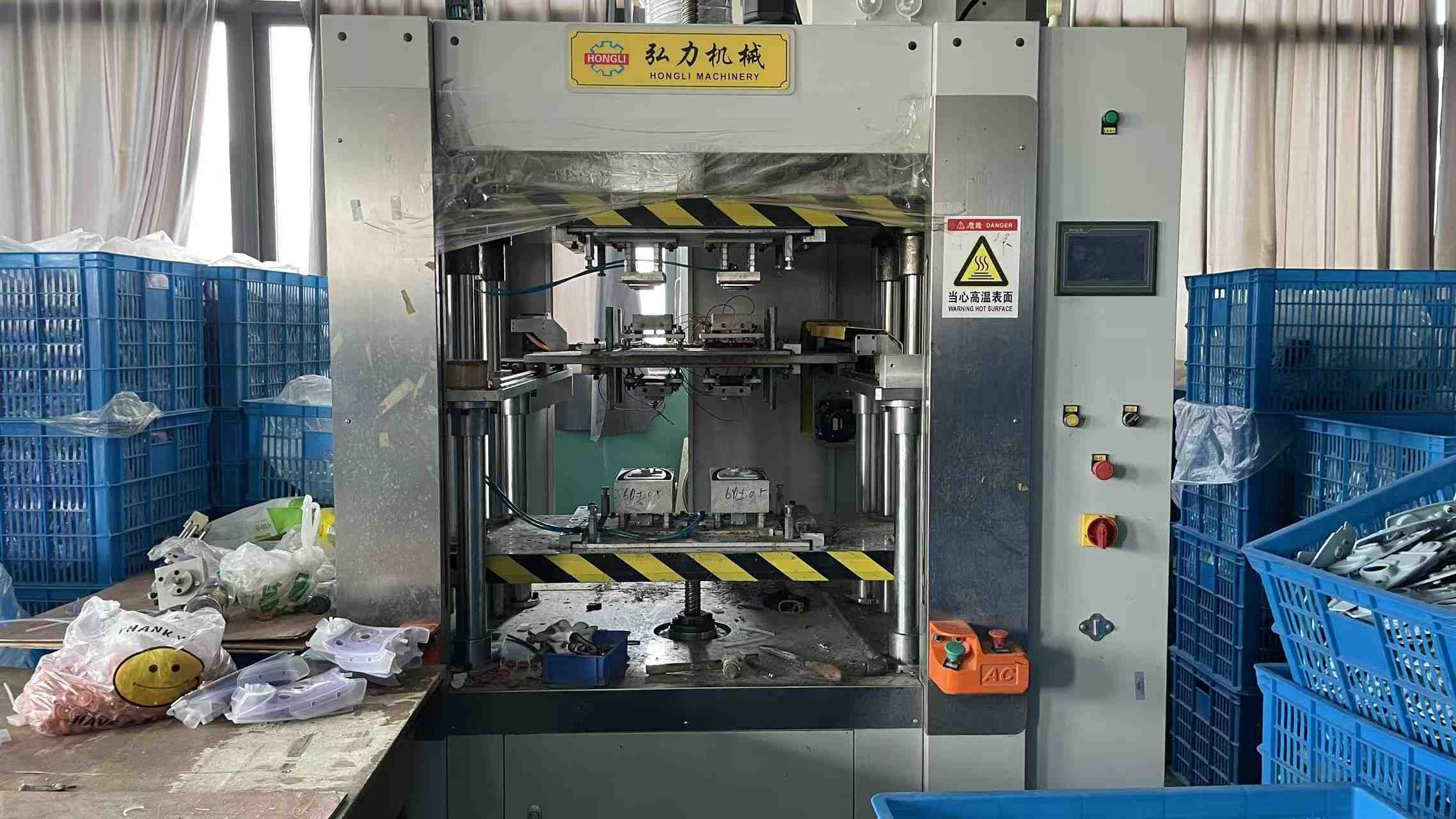
Flexible options designed to help brands adapt to regional regulatory changes and satisfy diverse consumer preferences.
Entering and scaling in the Kenyan vapor market requires strict adherence to import procedures, local customs standards, and chemical handling guidelines. Shenzhen Esaturn Vape Co., Ltd. supports our partners through every step of this process with comprehensive regulatory compliance documentation.
Any company importing nicotine salts, pre-filled pods, or e-liquids into Kenya must verify the following standards to ensure seamless customs clearance at the Port of Mombasa or Jomo Kenyatta International Airport (JKIA):
Bulk shipments are securely packed in high-density polyethylene (HDPE) food-grade drums and nitrogen-purged to eliminate oxygen during transit. We coordinate with leading freight forwarders to manage customs clearance at the Port of Mombasa. From there, products are transported via the Standard Gauge Railway (SGR) directly to the Inland Container Depot (ICD) in Nairobi, minimizing transport time and ensuring temperature stability.
As the international industry shifts toward higher safety profiles and eco-friendly solutions, nicotine salt technology is adapting to meet these standards. Future product development for the Kenyan market focuses on three key areas:
Developing tobacco-free synthetic nicotine salts that isolate active S-nicotine isomers. This reduces harsh taste elements and eliminates impurities found in agricultural tobacco processing.
Designing pod shells and internal plastic frames from biodegradable plant-based materials to address the growing issue of battery and plastic disposal in East African urban centers.
Integrating mesh coil technology with customized, stable nicotine salts to optimize heating cycles, prevent dry hits, and ensure consistent dosage delivery.
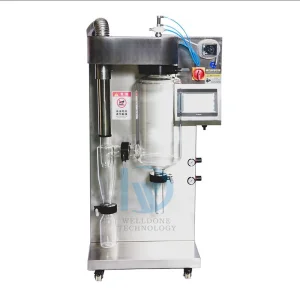
Explore our full selection of high-grade formulations and specialized production machinery, engineered to support your brand's growth and compliance requirements.
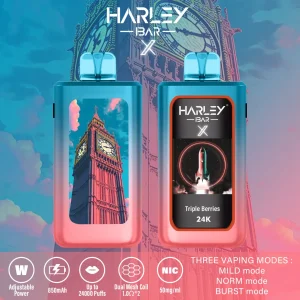
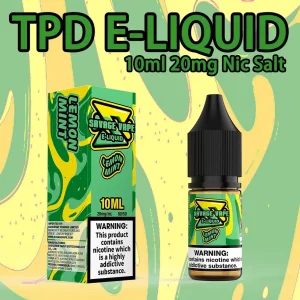
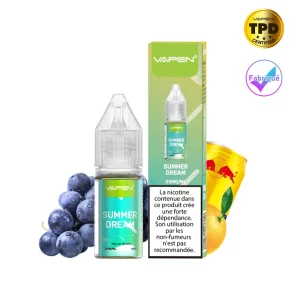
Everything you need to know about bulk procurement, shipping, chemical stability, and regulatory compliance for the East African market.
Our bulk nicotine salts and e-liquids have an verified shelf life of 24 months from the production date. To prevent oxidation during shipping through warmer climates like Mombasa, we flush the packaging with nitrogen and use UV-blocking HDPE drums.
We supply a complete export documentation package, including COA (Certificate of Analysis), MSDS, and third-party laboratory safety certifications. This helps your local clearing agent secure KEBS approval and manage KRA excise stamp licensing efficiently.
Yes. Our in-house research and development team specializes in custom OEM/ODM flavor development. We can formulate e-liquids tailored to specific local preferences, such as custom cooling levels and regional fruit combinations like ginger, lime, and local mango profiles.
Our standard MOQ for OEM packaging or custom chemical formulations starts at 1,000 liters for bulk e-liquids, or 10,000 finished retail units. For standard, pre-approved catalog formulas, we offer lower MOQs to help partners test new market concepts.
Air freight to Jomo Kenyatta International Airport (JKIA) in Nairobi takes approximately 5 to 7 working days. Bulk ocean cargo shipped to the Port of Mombasa typically requires 22 to 30 days, followed by standard transport to inland depots via the SGR railway line.
We offer both formulations depending on your product requirements. Benzoic acid mixtures deliver a faster physiological response, while salicylic acid provides a milder throat hit. We help you choose the best formulation based on your targeted retail pricing and hardware specifications.
We test every raw ingredient batch using ICP-MS (Inductively Coupled Plasma Mass Spectrometry) to ensure heavy metals like lead, arsenic, cadmium, and mercury remain well below the safety thresholds defined by both EU TPD and US PMTA guidelines.
Yes. We adjust the PG/VG ratio (typically 50/50 or 60/40) and control the viscosity of our nicotine salt formulas to ensure optimal wicking and leak prevention across popular open and closed pod hardware platforms used in Kenya.
 Esaturn Vape