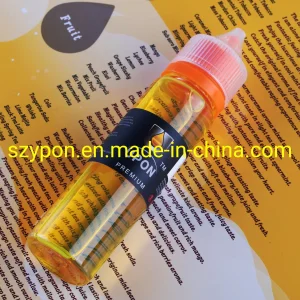
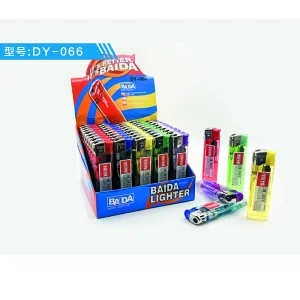
Industrial-grade hardware designed for compatibility with leading automated filling systems and cleanroom assembly requirements.
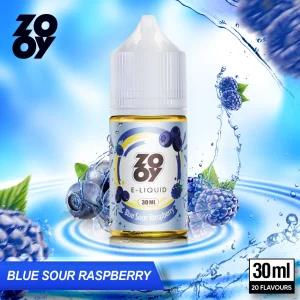
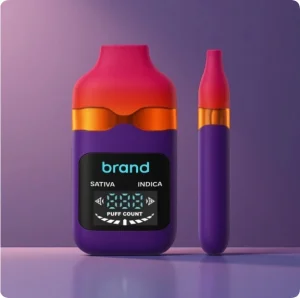
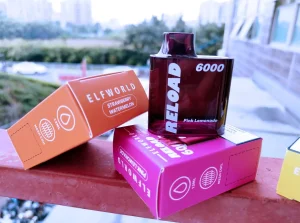
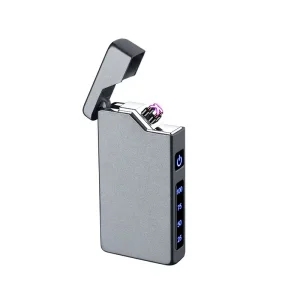
In the modern vaporization ecosystem, efficiency, precision, and viscosity management are the three pillars of manufacturing success. As consumer preferences pivot toward raw distillates, live resin, rosin, and highly viscous terpene-rich formulations, conventional filling methods fall short. Modern manufacturing demands automatic vape cartridge fillers that can heat, measure, and dispense viscous formulations within a ±0.5% tolerance window.
Selecting the right supplier for vape cartridge fillers requires an analytical look into automation capabilities, mechanical engineering, thermal jackets, and cleanroom compatibility. The best equipment must support rapid cleaning cycles (Clean-in-Place or CIP), handle multi-chamber pods, and prevent terpene degradation by implementing precision induction heating systems.
Shenzhen Esaturn Vape Co., Ltd. stands as a premier manufacturer and exporter specializing in the design, research, development, production, and sales of electronic cigarettes, cartridge filling support systems, and global OEM/ODM vaping solutions. With years of deep-rooted industry experience, we are dedicated to helping international vape brands scale their production efficiency through high-quality materials and innovative engineering.
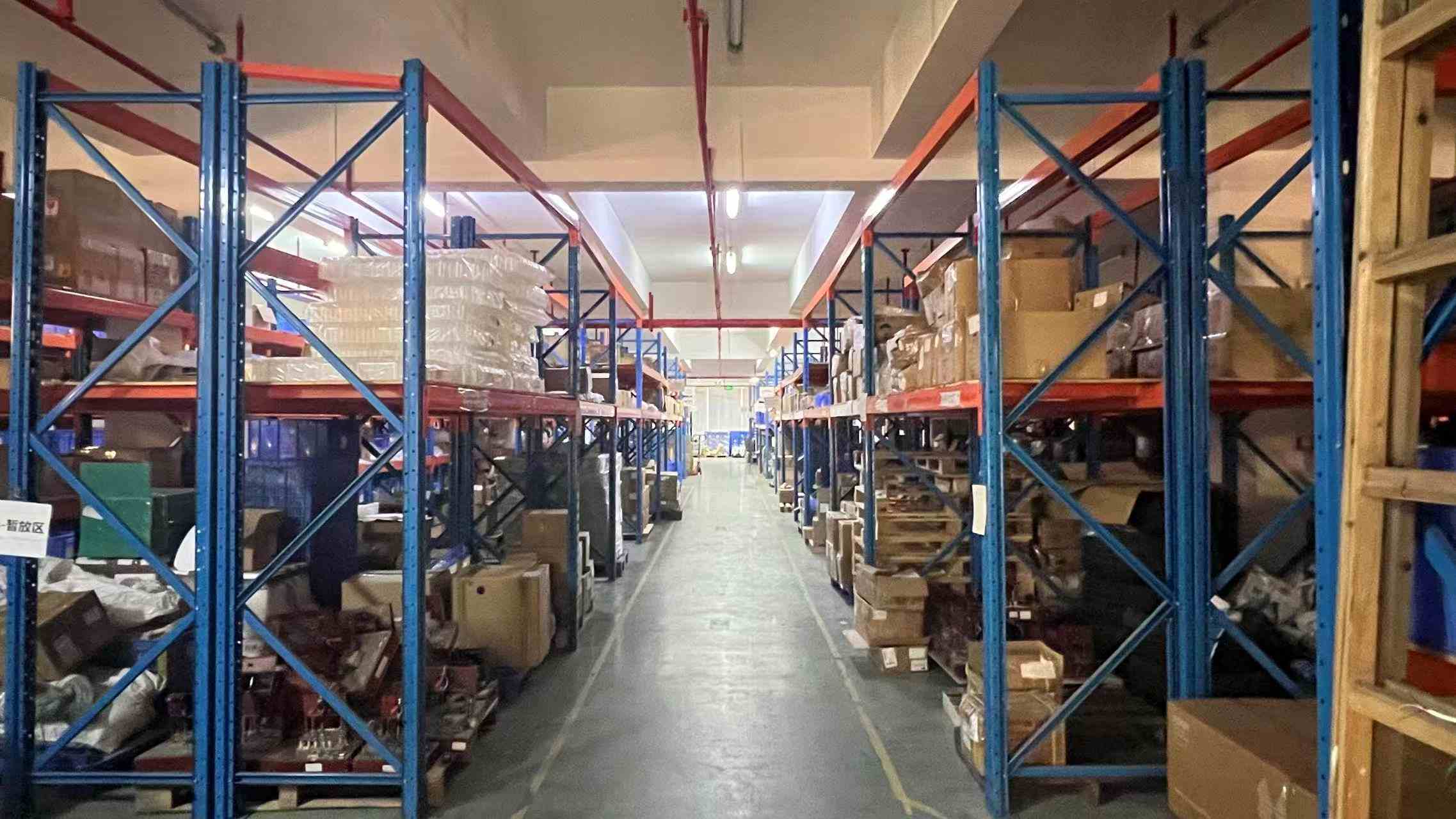
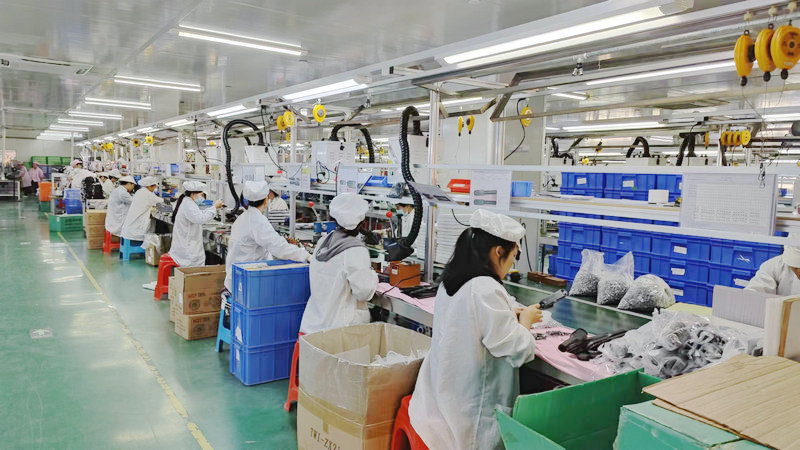
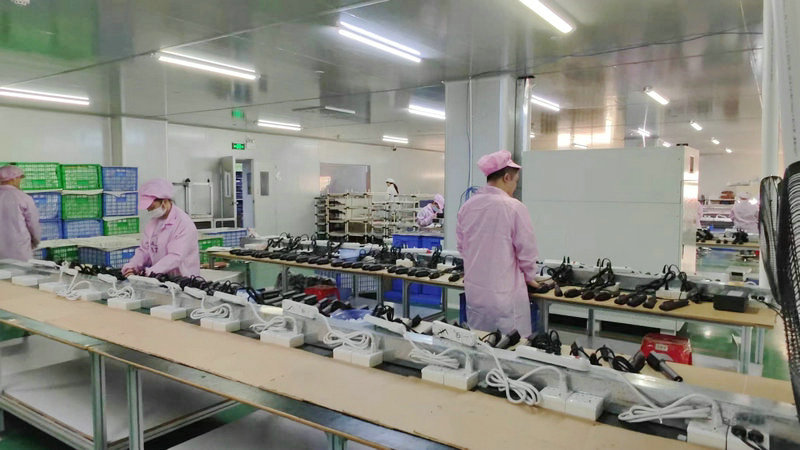
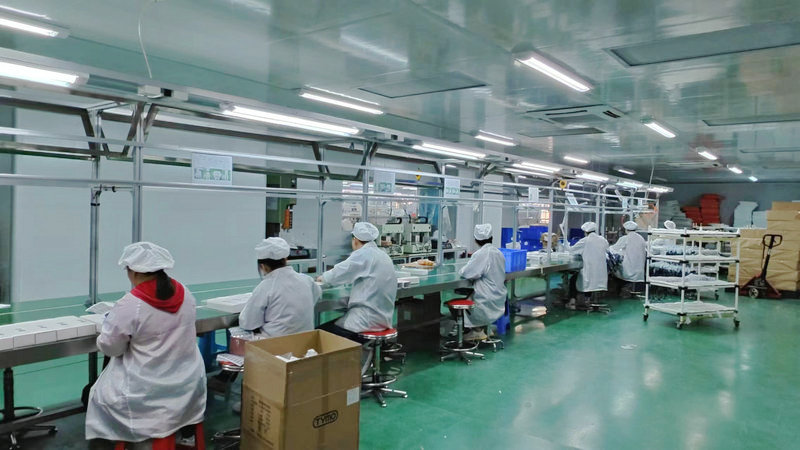
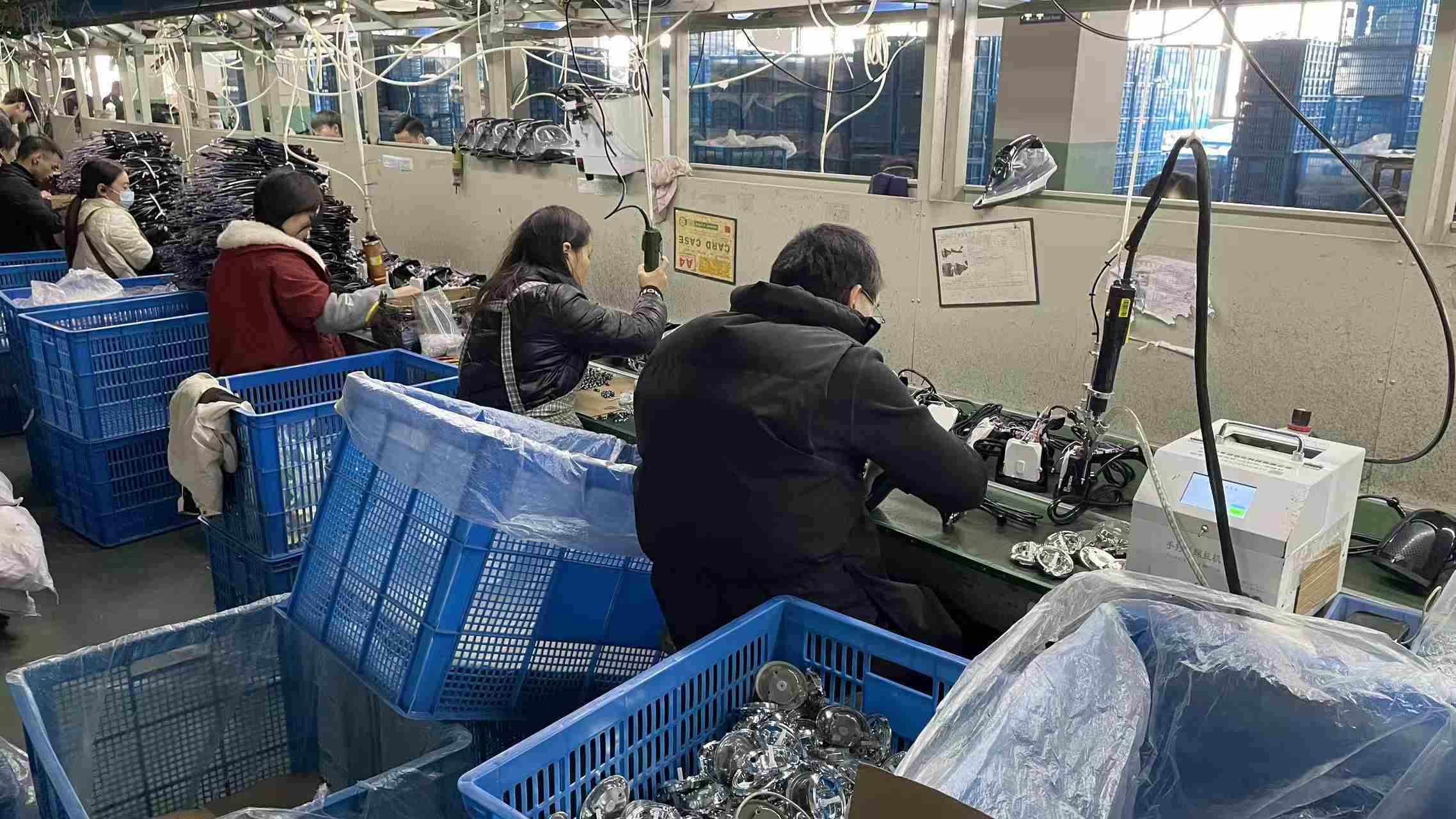
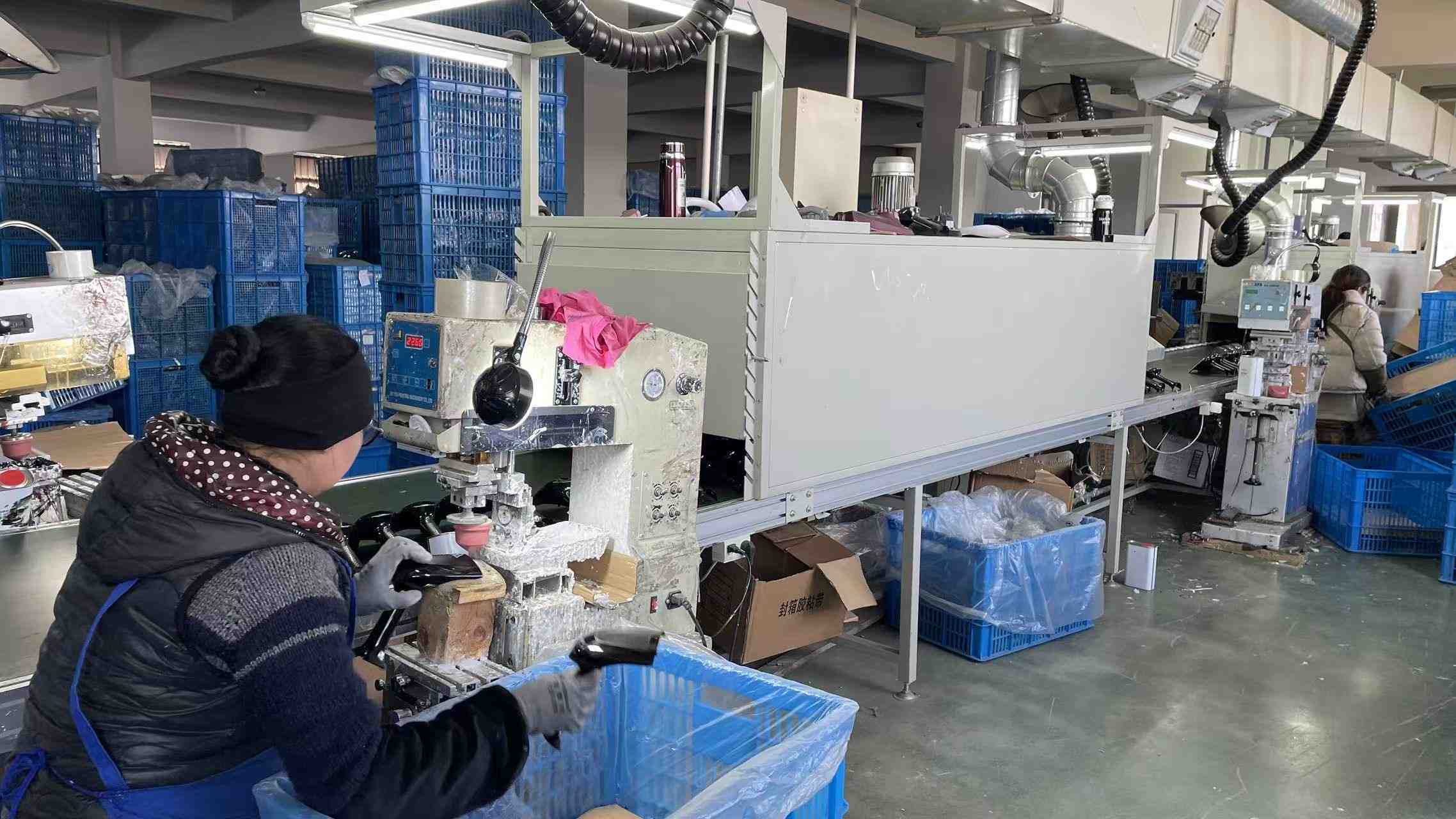
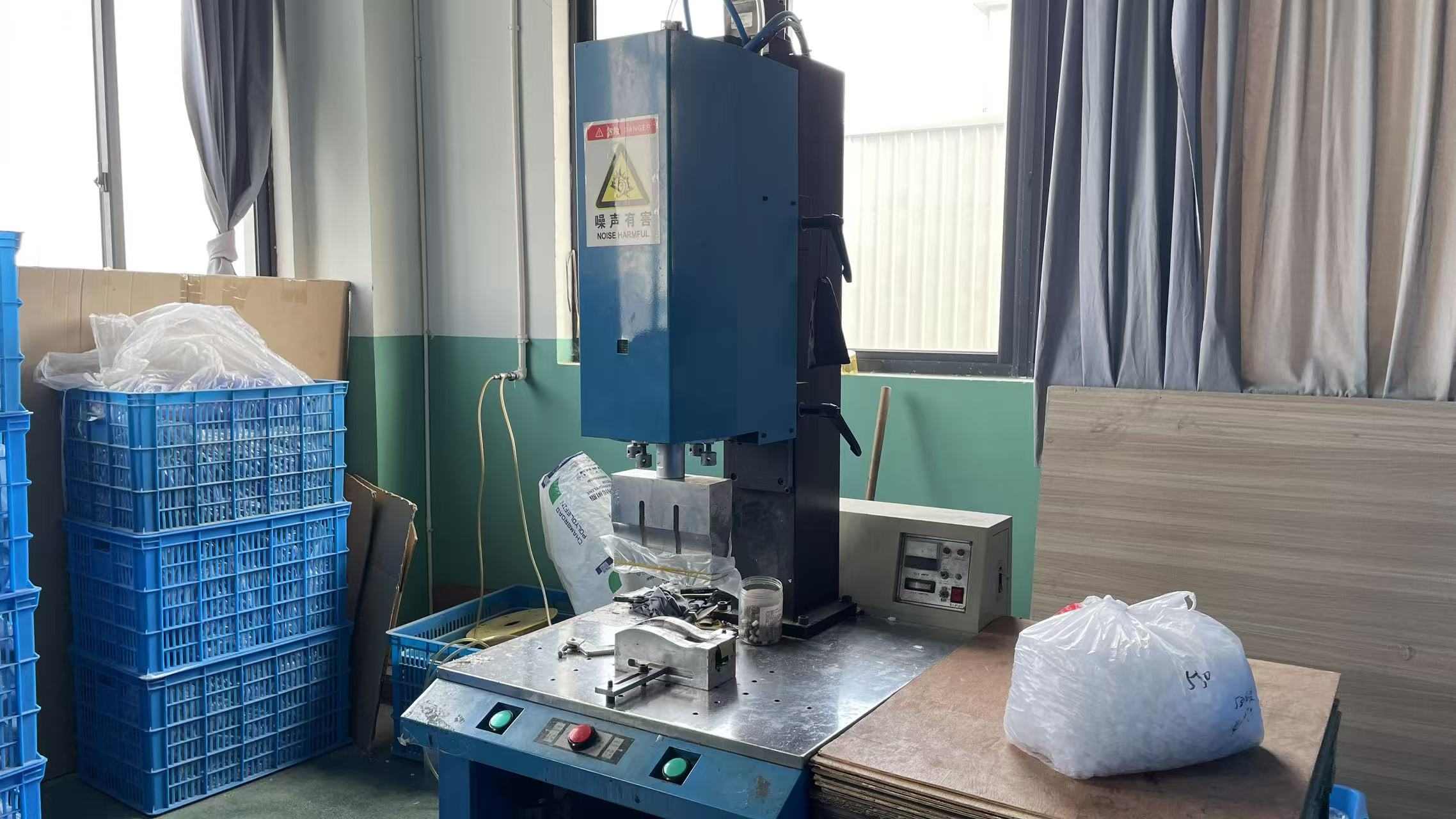
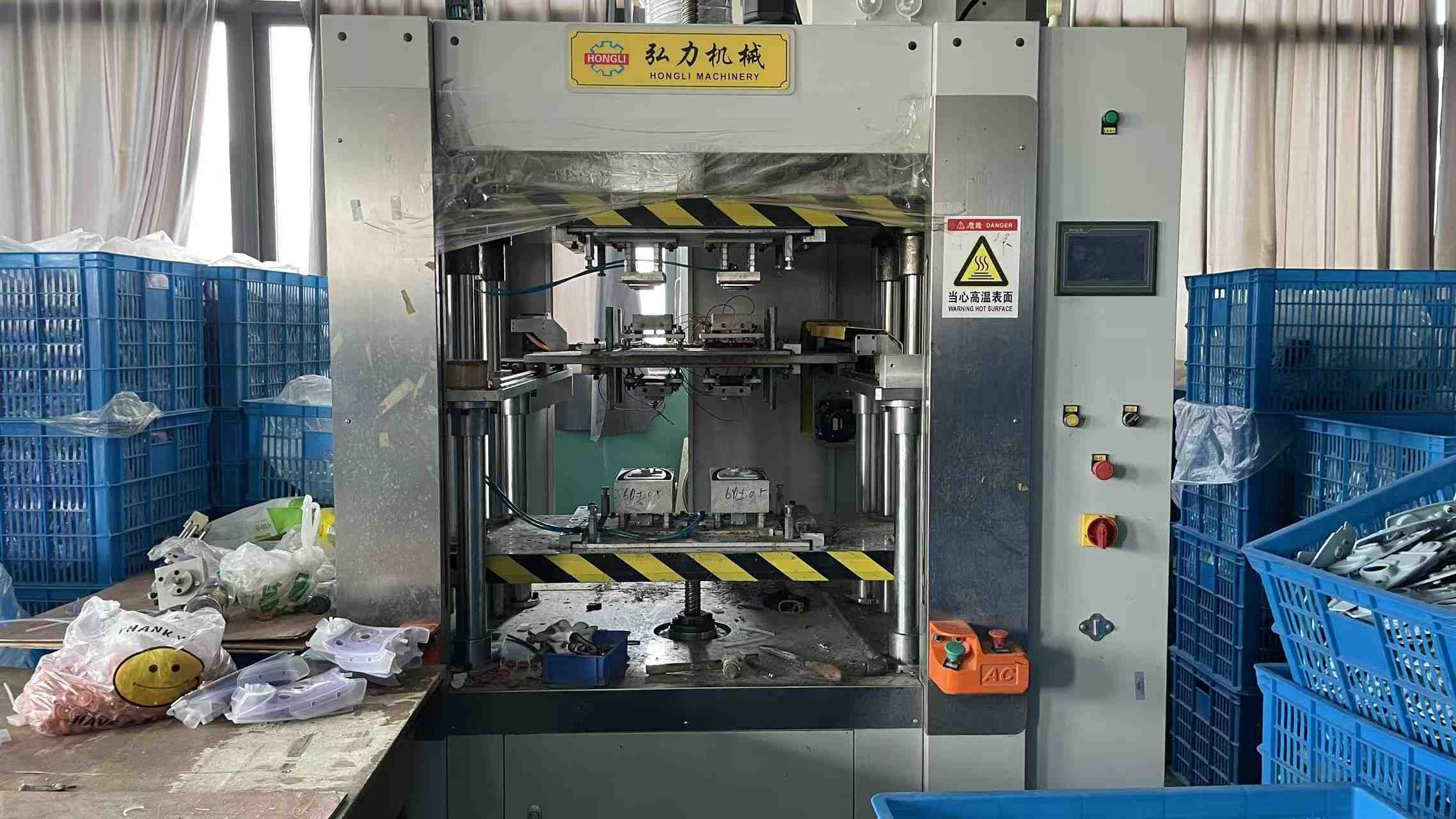
Our manufacturing base spanning over 6,000 square meters features state-of-the-art automation, including high-accuracy print machinery, hot-melt welding, and advanced ultrasonic welding setups. With over 1,000 skilled employees and a daily capacity of 100,000 pieces, we guarantee seamless supply chains and timely delivery schedules for large-volume global procurement.
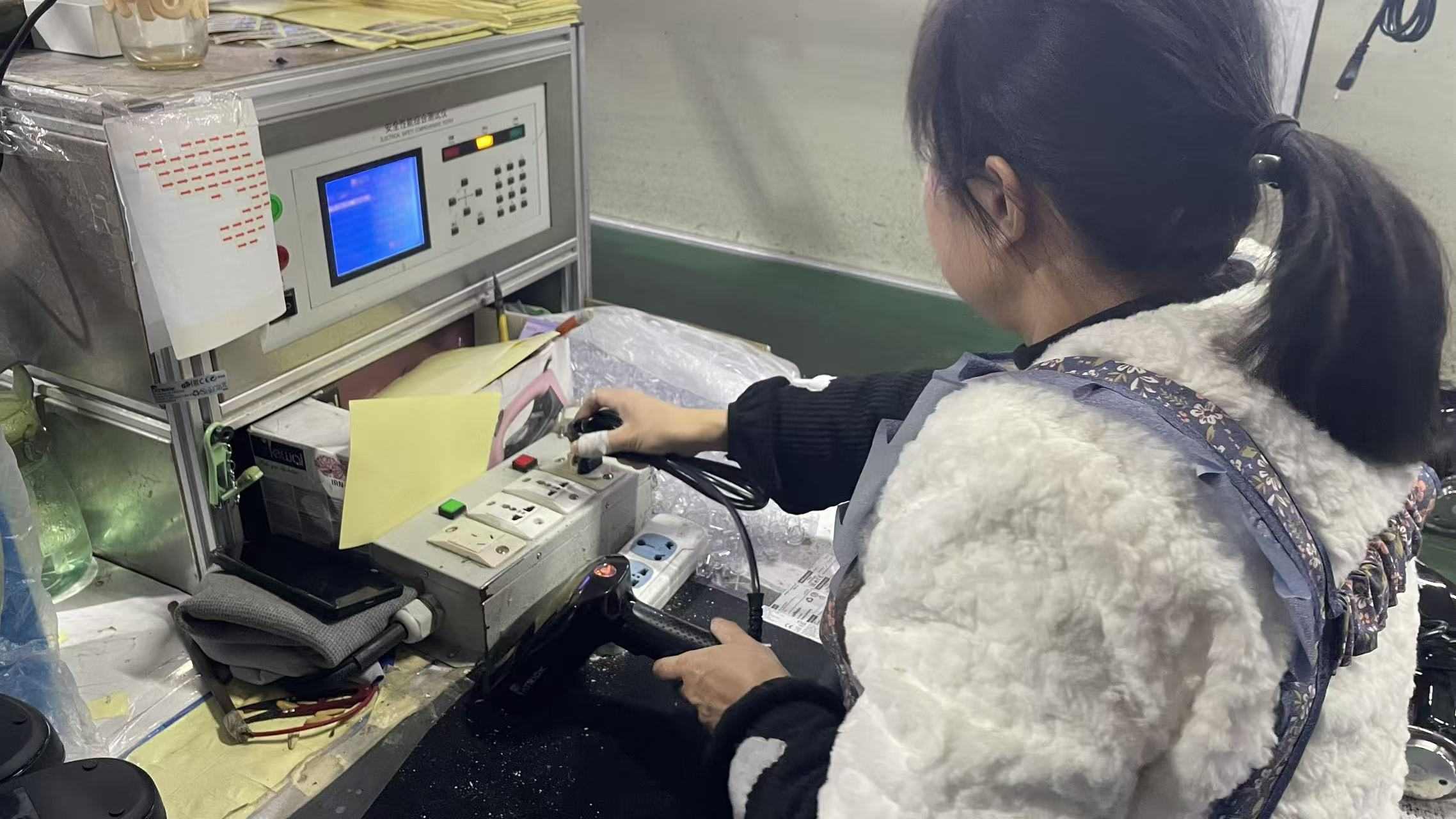
Under strict compliance with global QC standards, here is how we guarantee the premium build quality of every batch.
The global cartridge filling hardware landscape is experiencing rapid digital transformation. As B2B buyers shift their operations toward highly automated processes, filler suppliers must innovate. Below are the key technological advancements that will shape the industry by 2030:
Next-generation filling lines integrate high-speed machine vision cameras. These AI units measure the exact meniscus height in real-time, self-adjusting pump stroke lengths dynamically to keep filling variations within 0.1% regardless of temperature fluctuations.
Terpenes are highly volatile compounds that degrade under persistent heat. Advanced cartridge fillers utilize dual-stage localized induction heaters that apply warmth only during the millisecond of oil injection, keeping bulk storage tanks cool.
With dual-flavor live resin and rosin options gaining massive market share, fillers now require synchronous dual-fluid nozzles. This technology injects two disparate viscous liquids simultaneously without cross-chamber contamination.
In response to these trends, manufacturers are upgrading to servo-driven volumetric pumps. Piston pumps driven by electric servos rather than pneumatic cylinders deliver significantly better control, preventing the cavitation and air pockets common in thick distillate oils.
One of the most persistent bottlenecks in high-volume vape production is product leakage and cartridge failure post-filling. This failure is rarely due to a single component but is rather a system-level issue spanning fluid viscosity, pressure differentials, and thermal expansion during capping. High-quality filler suppliers resolve this through specialized macro-industry solutions:
The manufacturing capabilities of Shenzhen Esaturn Vape Co., Ltd. are built upon the principles of Factory 4.0. The integration of modern technology goes beyond basic assembly to provide true supply chain resilience:
Horizontal Integration of Operations: Our 6,000-square-meter facility houses all elements of the manufacturing lifecycle. From material testing to automated print and ultrasonic welding machines, we eliminate third-party processing delays, ensuring stable pricing and high-volume consistency.
Dynamic Capacity Expansion: With over 1,000 trained technicians, Esaturn is built to absorb seasonal demand spikes. This deep labor pool, coupled with computerized inventory management, allows us to transition from low-volume prototypes to 100,000-unit daily runs without bottlenecking quality assurance.
| Infrastructure Asset | Technical Specifications | Operational Advantage for Buyers |
|---|---|---|
| Automated Print Machines | Multi-axis custom graphic rendering | Eliminates branding lead-time delays |
| Ultrasonic Welding Systems | High-frequency post-less bonding | Adhesive-free, highly durable chassis seal |
| Hot-Melt Welding Lines | Precision thermal plastic forming | Prevents leaks in pod-based systems |
| Cleanroom Testing Stations | Particulate control environments | Prevents contamination of medical-grade vaporizers |
For B2B procurement managers, sourcing vape cartridge fillers and compatible hardware is a long-term capital investment. The wrong decision leads to high fail rates, product recalls, and brand damage. Here is the evaluation matrix used by top-tier global vape corporations:
Explore our supporting industrial systems, packaging, electronic sub-assemblies, and alternative vape hardware configurations.

Expert technical answers regarding automated vape cartridge filling machinery and OEM production standards.
1. How do cartridge fillers handle extremely thick oils like Live Resin or Rosin?
High-viscosity oils require custom heating profiles. Leading cartridge filling machines feature oil reservoirs and piston cylinders with dual-stage heated water jackets. By warming the oil to 50°C - 70°C, the viscosity drops temporarily to allow clean injection without burning active terpenes.
2. What is the typical fill speed and accuracy of automated cartridge fillers?
Commercial-grade semi-automated benchtop machines can process 1,000 to 1,500 cartridges per hour, while fully automated rotary systems can exceed 3,000 units per hour. High-precision positive displacement piston pumps maintain accuracy levels within ±0.01ml.
3. Can these machines fill dual-chamber or multi-flavor vape devices?
Yes, modern machines support multi-nozzle configurations linked to separate oil reservoirs. This setup allows the system to fill different chambers of a single device (such as a 2g dual-flavor disposable) in a single cycle without mixing fluids.
4. How is heavy metal contamination avoided during the filling process?
Top-tier filler manufacturers construct all fluid paths using food-grade materials like 316L stainless steel, pharmaceutical-grade PTFE tubing, and chemically resistant ceramics. These materials prevent chemical leaching and ensure compliance with strict heavy metal tests.
5. What technical maintenance is required for automated cartridge fillers?
Regular maintenance includes daily cleaning cycles (CIP) using food-grade isopropyl alcohol or ethanol to prevent oil buildup. Piston seals, O-rings, and needle tips should be checked and replaced periodically to prevent leaks and maintain accuracy.
 Esaturn Vape