Precision-engineered solutions tailored for immediate commercial deployment and systems optimization.
The United States vapor industry has witnessed a paradigm shift driven by evolving consumer expectations, complex regulatory milestones, and technical breakthroughs. Sub-ohm tanks (atomizers designed with resistance levels below 1.0 Ohm) represent the vanguard of Direct-To-Lung (DTL) and Restricted Direct-to-Lung (RDL) flavor systems. To capture market share in North America, brands must reconcile high-performance hardware architectures with stringent compliance standards.
This document presents a technical analysis of sub-ohm coil engineering, industrial manufacturing workflows, supply chain optimization protocols, and safety compliance configurations. It provides United States distributors, wholesale networks, and product developers with the insights required to select reliable manufacturing partners and scale their product lines securely.
Information Gain Index: Discover how Esaturn Vape addresses critical failure points in sub-ohm design, including micro-leakage prevention, organic wicking consistency, and PMTA-compliant technical files.
Understanding regional commercial requirements, logistics paths, and compliance mandates.
The US market is segmented by varying state regulations. Distributors require highly adaptable hardware platforms that support diverse e-liquid compositions (high VG/PG ratios) and modular packaging configurations to meet local rules.
Logistical distribution within the US demands strict adherence to the Prevent All Cigarette Trafficking (PACT) Act. Our supply chain partners utilize compliant freight lanes with comprehensive tracking systems to guarantee uninterrupted delivery.
US importers require detailed ingredient transparency and manufacturing process documentation. We provide full technical dossier support, including raw material chemical profiles, heavy metals screening reports, and battery cell certifications.
A primary differentiator of advanced sub-ohm hardware is the thermal profile of the heating element. Standard wire coils have been replaced by precision-etched mesh grids. Mesh coils provide an expanded surface area that contacts the wicking medium, producing uniform heat distribution. This prevents localized overheating (hotspots) that can scorch organic cotton, compromise flavor profiles, and generate undesirable chemical emissions.
Furthermore, the capillary rate of the wicking material is critical. Our sub-ohm heating platforms use long-staple organic cotton blended with bamboo fibers. This increases structural durability and improves fluid absorption speed, ensuring stable performance during high-wattage chain vaping.
Square Meters Facility
Skilled Employees
Daily Output (Pcs)
Inspection Rate
Optimized systems designed to mitigate risks and streamline high-volume distribution.
B2B procurement departments handling professional vaping hardware prioritize three main factors: consistency of electrical resistance, reliability of seal integrity, and raw material purity. A variation of even 0.05 Ohms in a sub-ohm coil can significantly alter the power draw and heat generation of the device, leading to inconsistent user experiences or safety issues. We address these requirements with automated, computer-guided resistance checking at three separate production stages.
Additionally, e-liquid formulations contain acidic components and organic solvents that can degrade substandard elastomers and plastics over time. To ensure long-term stability during shipping and storage, our hardware utilizes high-performance fluorocarbon and silicone seals alongside borosilicate glass tanks. This choice of materials prevents chemical degradation and minimizes leak rates under changing atmospheric pressures during air transport.
To achieve consistent vapor density and reliable leak prevention, our engineering team focuses on three key design methodologies:
Our B2B partners benefit from our comprehensive manufacturing and support infrastructure:
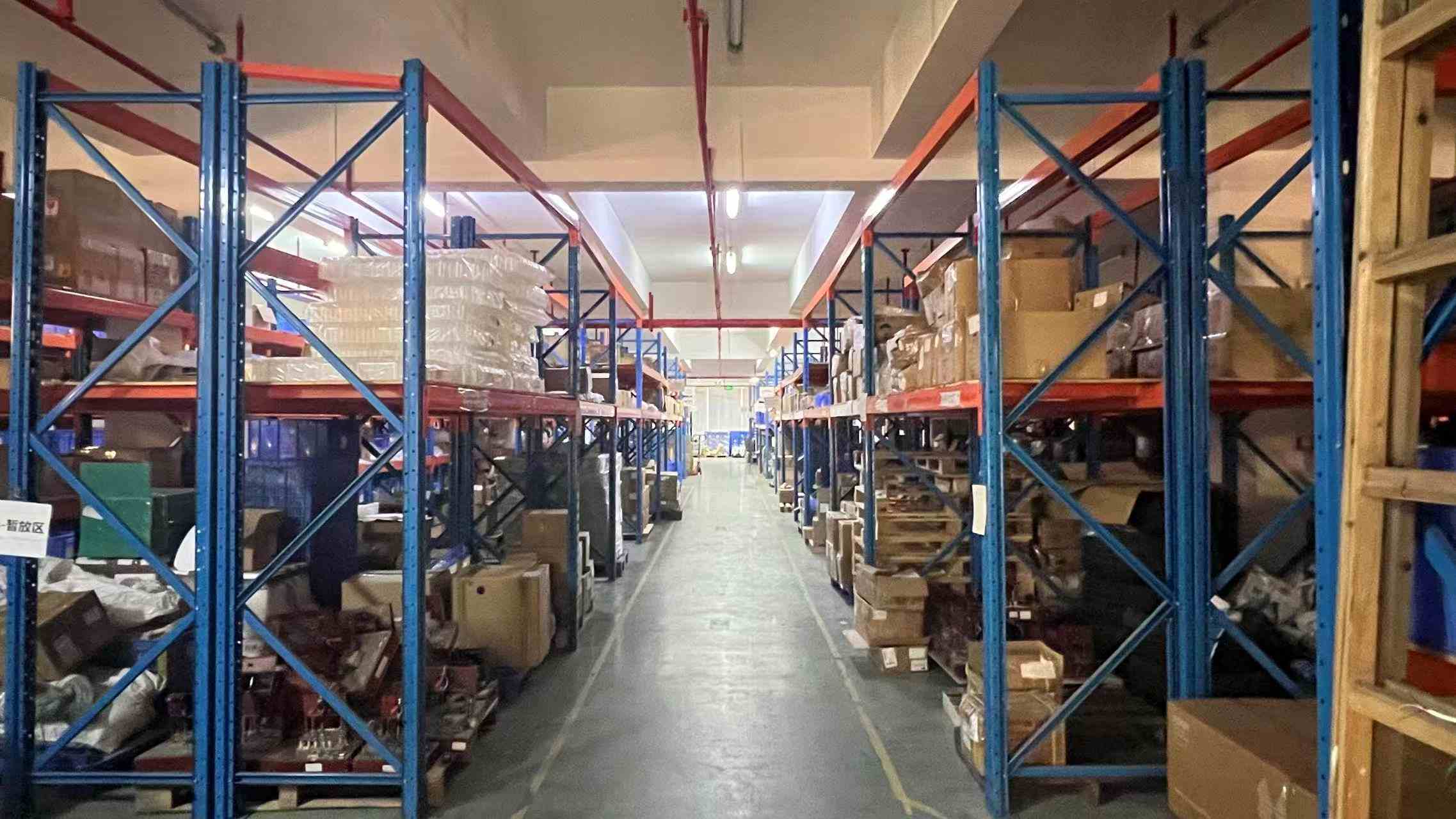
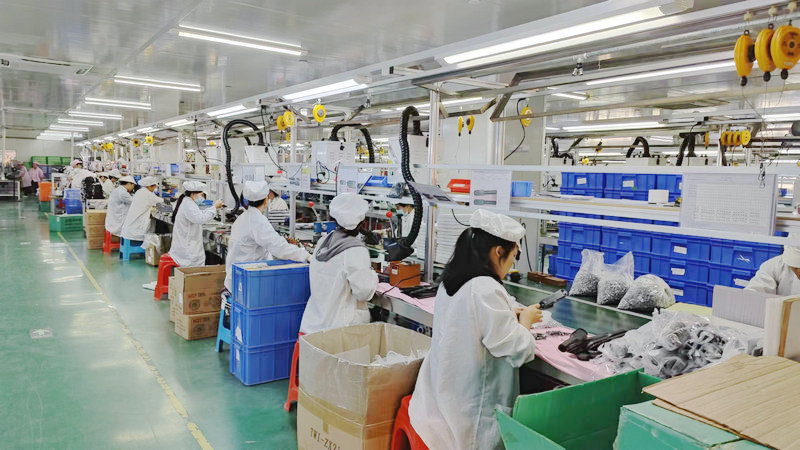
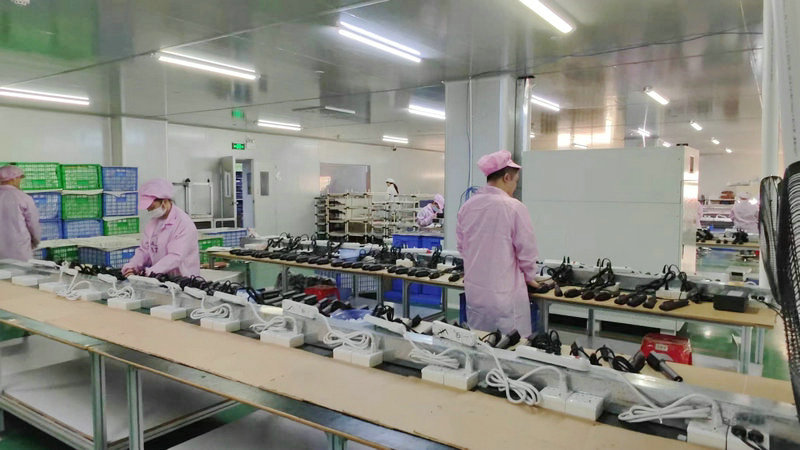
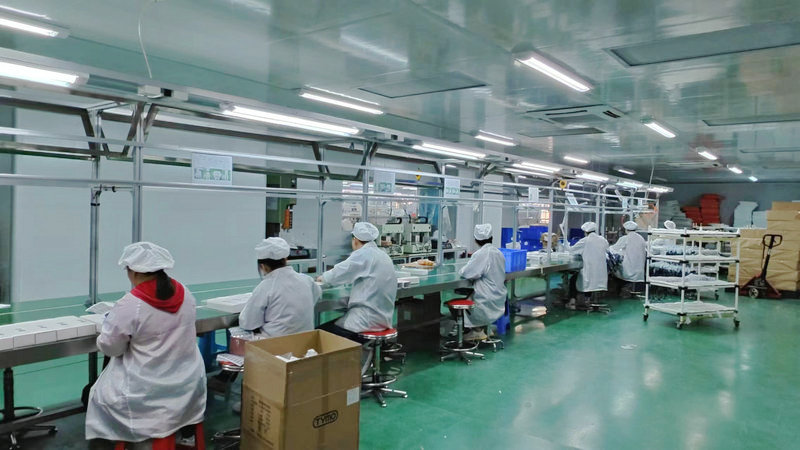
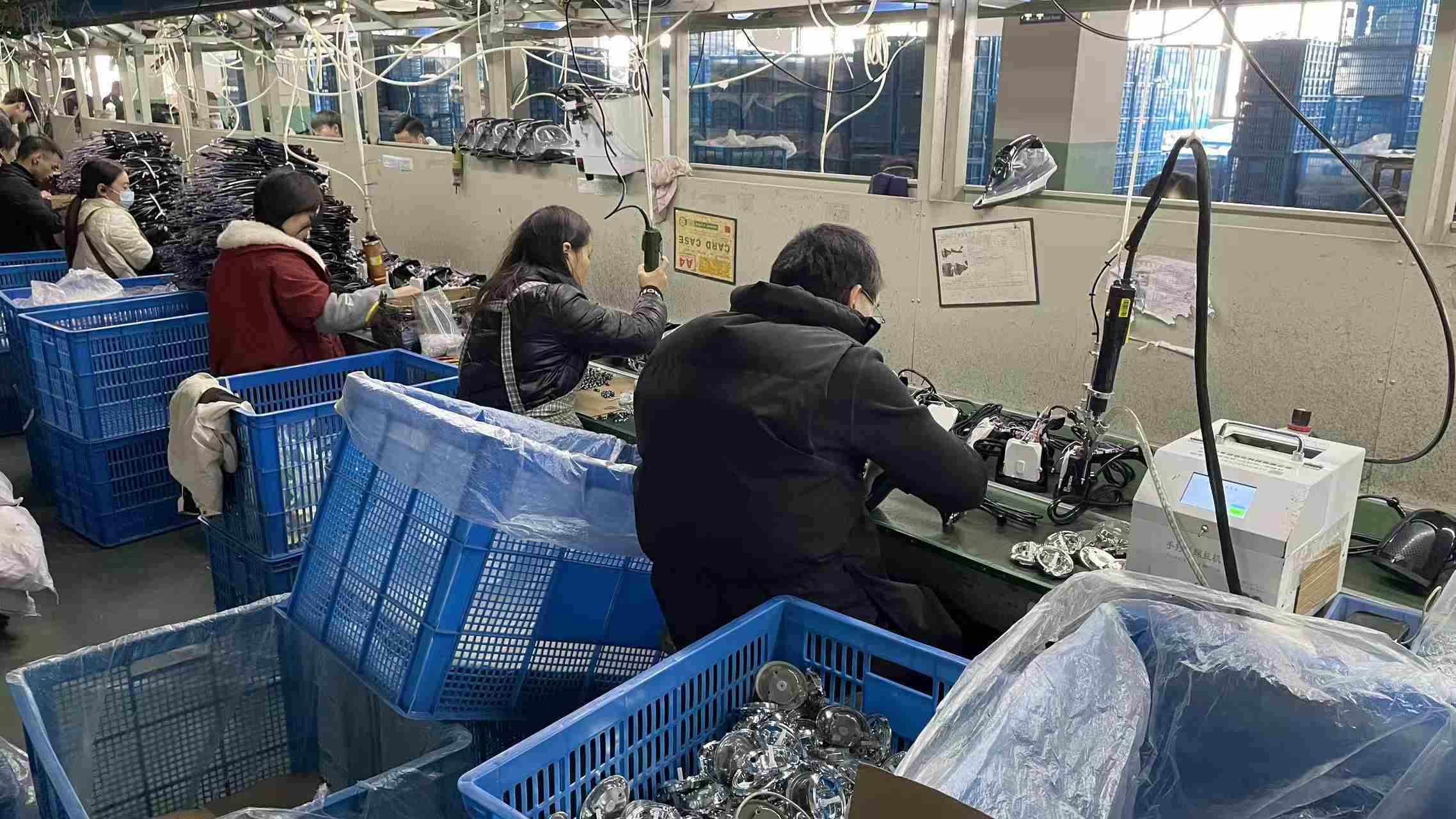
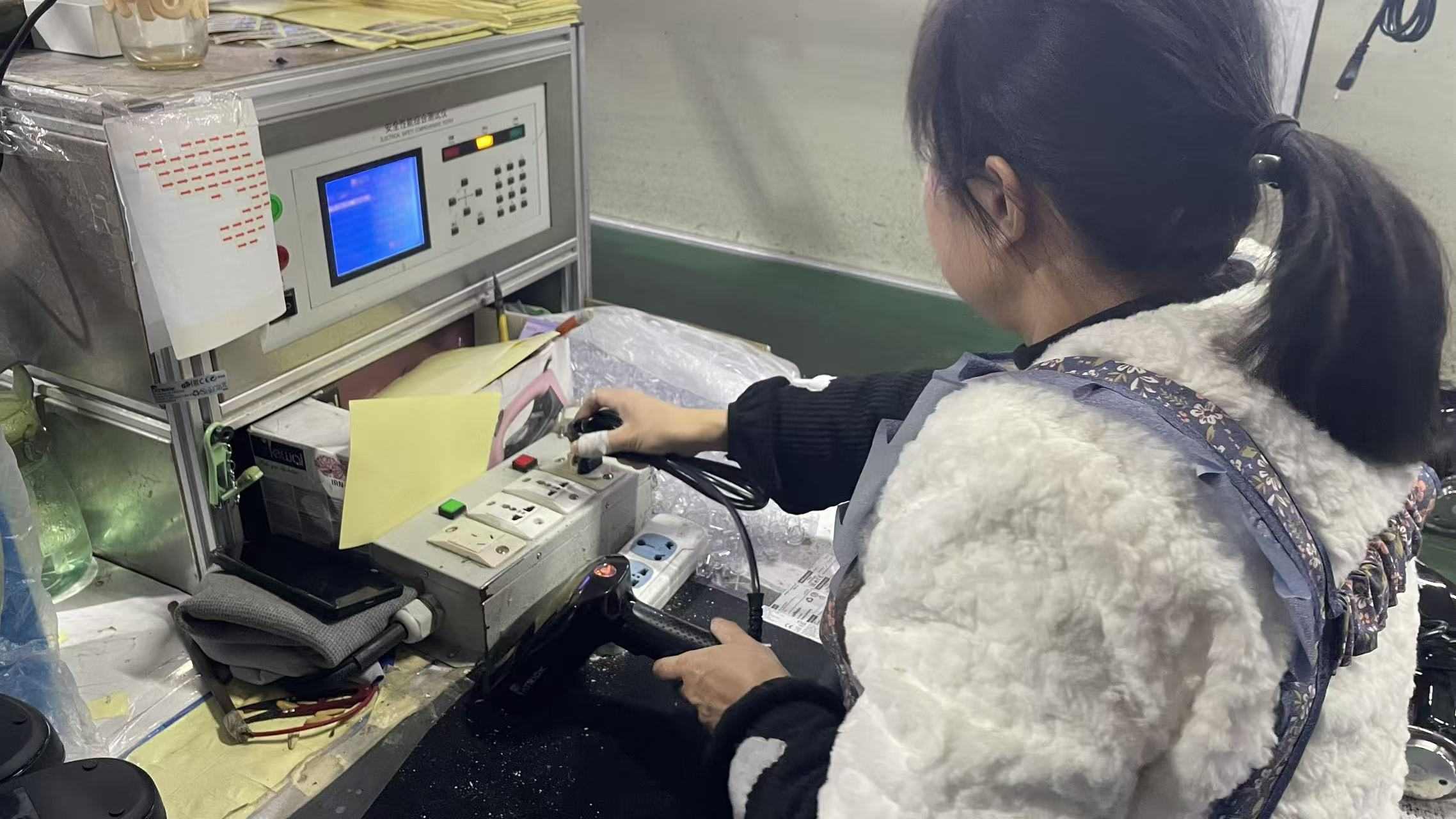
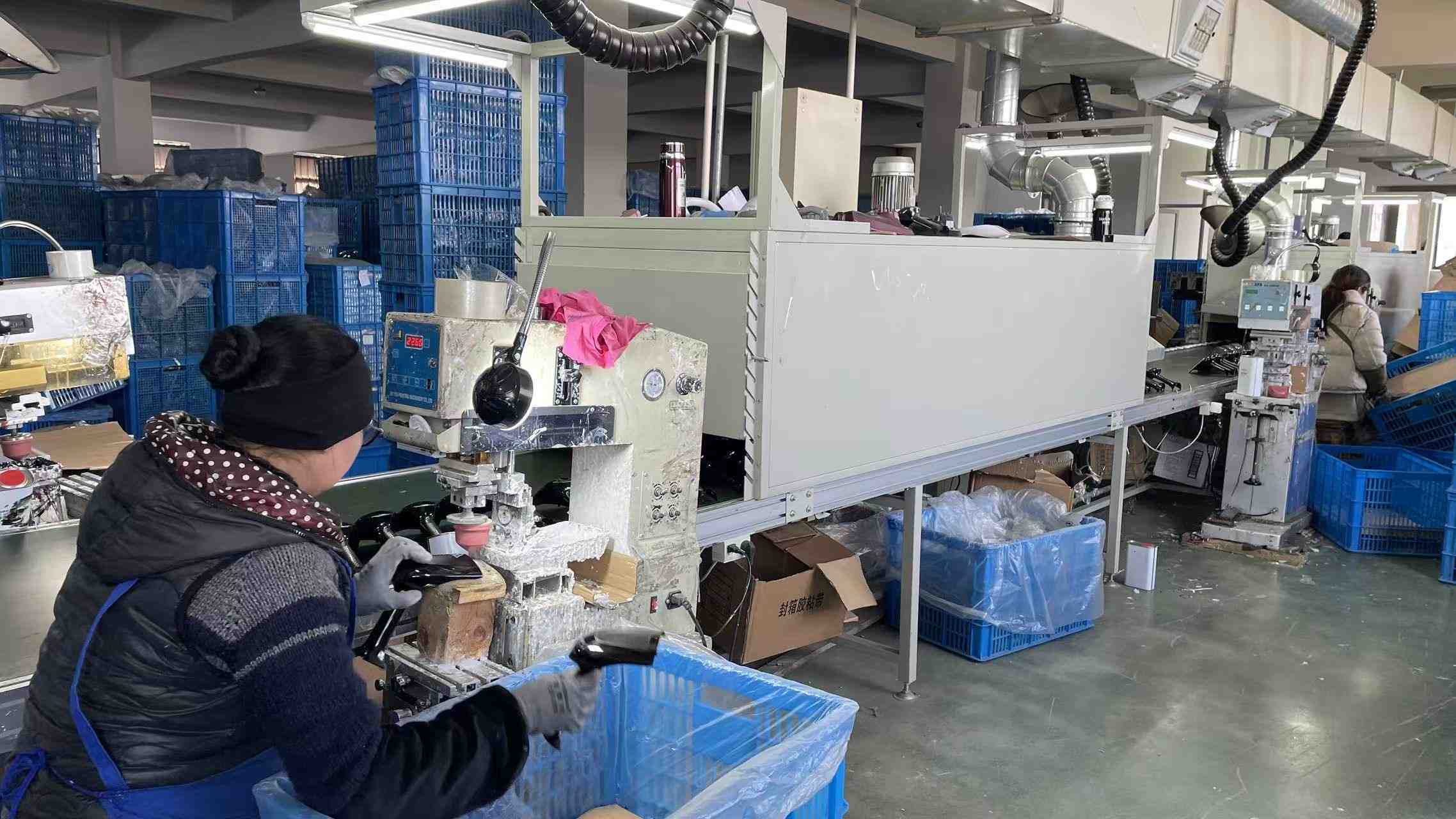
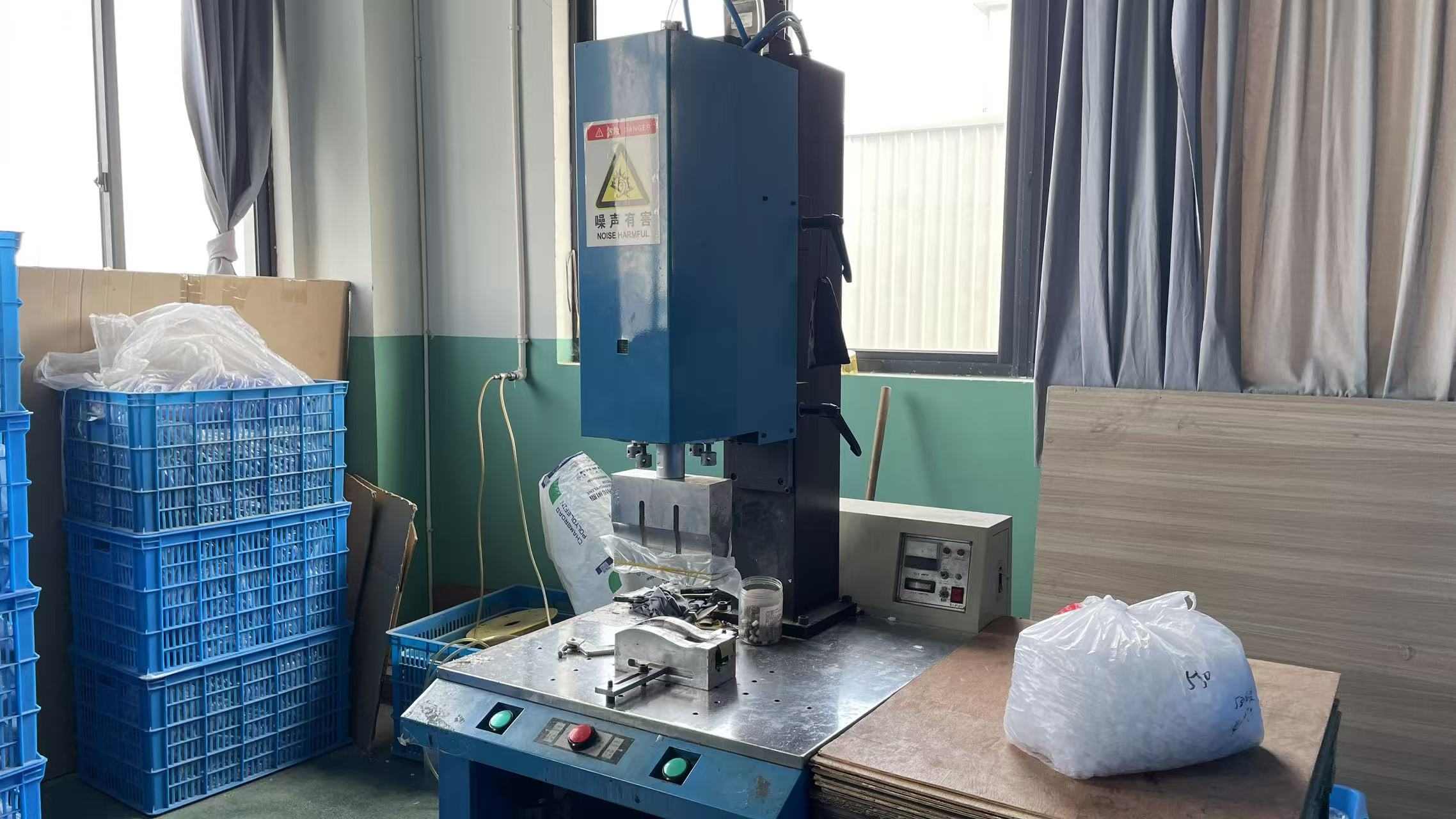
Visual tour of Shenzhen Esaturn Vape Co., Ltd.'s state-of-the-art facilities and automated machinery.
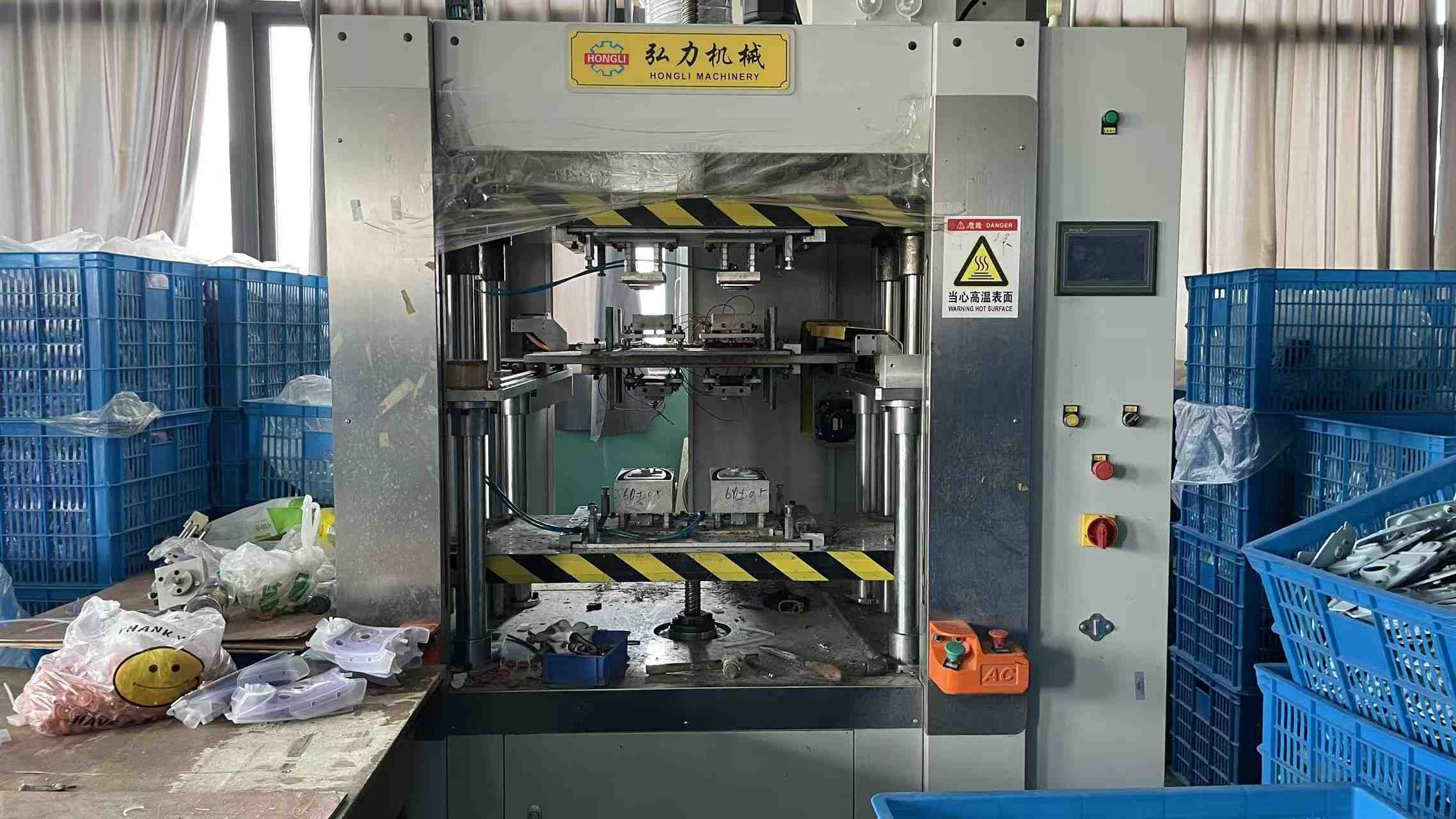
Engineering durable solutions that meet strict safety standards.
To meet upcoming regulations and sustainability standards, we are transitioning all metal-contact components to lead-free brass and food-grade SUS316L stainless steel. This shift ensures compliance with strict heavy metal limits and guarantees clean vapor delivery.
While mesh coils deliver excellent vapor volume, next-generation ceramic designs provide enhanced durability. Our development roadmap features micro-porous ceramic heating elements designed to handle high-wattage loads without caramelizing organic compounds, extending the useful life of each coil.
We are integrating automatic optical inspection (AOI) systems directly into our welding and assembly lines. By using high-resolution cameras and machine-learning models, we can detect micro-misalignments in wicking cotton and minor weld defects in real time, preventing potential field failures before they leave the factory floor.
Compliance Note: Our design verification protocol includes tests for thermal shock, atmospheric pressure drops, mechanical impact, and chemical compatibility. All test data is fully documented to support clients with PMTA filings and compliance audits.
Answers to common technical, logistics, and wholesale questions from US B2B buyers.
Explore our full line of heating elements, accessories, electronics, and customized packaging solutions.

Connect with our technical sales team to request customized design mockups, compliance documentation, or bulk volume estimates.
Send Inquiry Now Esaturn Vape